Trump: No Control Over Strait of Hormuz, Affirming Sovereignty

Trump: No Control Over Strait of Hormuz, Affirming Sovereignty
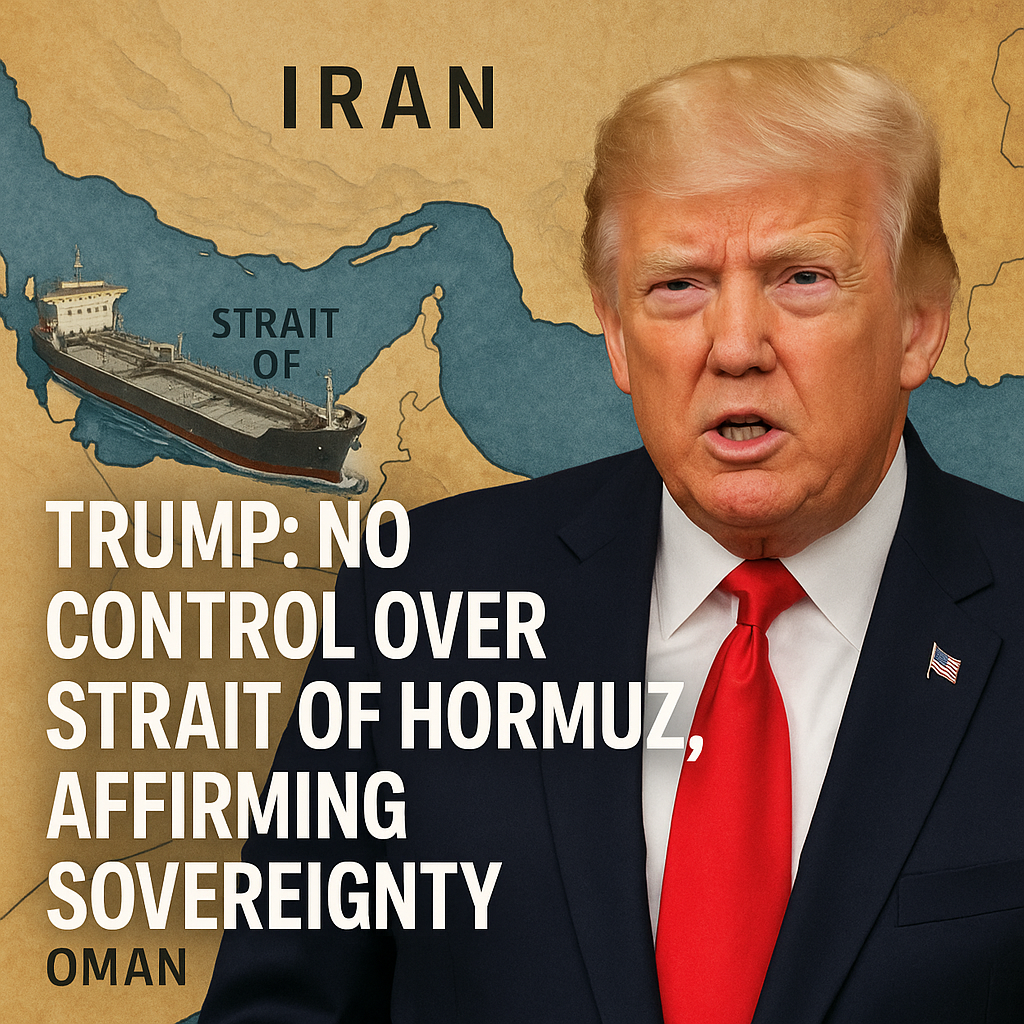
In a recent statement, former President Donald Trump made headlines by asserting, “No one will control the Strait of Hormuz.” This comment not only reiterates the U.S.’s long-standing support for the free passage of vessels through strategic international waterways but also touches on deeper themes of national sovereignty and geopolitical tension. The Strait of Hormuz is a critical chokepoint in global oil transportation, making discussions about control and navigation rights highly significant.

The Strategic Importance of the Strait of Hormuz
The Strait of Hormuz serves as a passage for approximately 20% of the world’s oil supply, making it a crucial artery for the global economy. This geographical narrowness has positioned it at the center of geopolitical debates, especially involving Iran, which lies to the north and has threatened to block the strait in the past.


Trump’s remarks come amid escalating tensions in the region, especially concerning naval activities and military exercises. Analysts are divided on the implications of his statement. Some believe it reflects an assertive U.S. position against perceived threats, particularly from Iran, while others warn it may further destabilize the already fragile environment in the Gulf.


Diverging Perspectives on Control and Sovereignty
On one hand, Trump’s statement has been interpreted as an assertion of U.S. dominance in steering maritime policies. U.S. Admiral Michael Gilday highlighted that ensuring maritime freedom in this region aligns with national security interests. The U.S. Navy frequently conducts freedom of navigation operations to demonstrate its commitment to keeping these waters open. Proponents of this perspective argue that a strong U.S. presence is vital for securing global trade routes and countering any unilateral actions taken by Iran.
Conversely, voices from other quarters argue that such statements can exacerbate tensions. Iranian officials have responded critically, perceiving the U.S. as a foreign power that seeks to impose its will on regional affairs. They argue that sovereignty over the strait should not merely be an American concern, as they highlight the need for dialogue and cooperative security frameworks among Gulf states. This divergence illustrates a complexity that often accompanies discussions about sovereignty and external influence in international waters.
If we consider economic ramifications, the stakes grow even higher. Should tensions lead to military confrontations, oil prices could see significant surges, further impacting global markets. Therefore, balancing security measures with diplomatic outreach is crucial for maintaining stability in this vital region.
Navigating Tensions: The Way Forward
While Trump’s affirmation of sovereignty in the Strait of Hormuz heralds a strong American stance, it also raises questions about existing diplomatic efforts. The international community, particularly the Gulf states, has a role in managing these tensions. Constructive dialogue and confidence-building measures can create a framework that balances national security with the rights of individual nations.
Notably, efforts toward multilateral agreements on maritime security should be promoted to mitigate unilateral actions that lead to reprisals or conflict. Regional bodies, such as the Gulf Cooperation Council (GCC), might play a vital role in fostering dialogue that encompasses varying national interests, including those of Iran.
Conclusion: A Complex Web of Sovereignty and Security
Trump’s remarks about the Strait of Hormuz encapsulate a range of viewpoints, reflecting the complexities of international relations. While affirming U.S. sovereignty and the necessity of maintaining open shipping lanes are vital, they must be weighed against the consequences of escalating military presence and rhetoric. With economic stability often hinging on peace in these waters, both assertive and conciliatory strategies will be essential in navigating the balance of power.
Ultimately, no singular narrative can fully encompass the geopolitical dynamics at play. The Strait of Hormuz will continue to be a focal point of contention, and how nations approach its control and sovereignty will likely define the future of international maritime relations. The path forward necessitates careful diplomacy, ongoing dialogue, and a comprehensive understanding of the intricacies that frame this critical global passage.