Trump’s Iran Deal: A Lose, Lose, Lose for America

Trump’s Iran Deal: A Lose, Lose, Lose for America
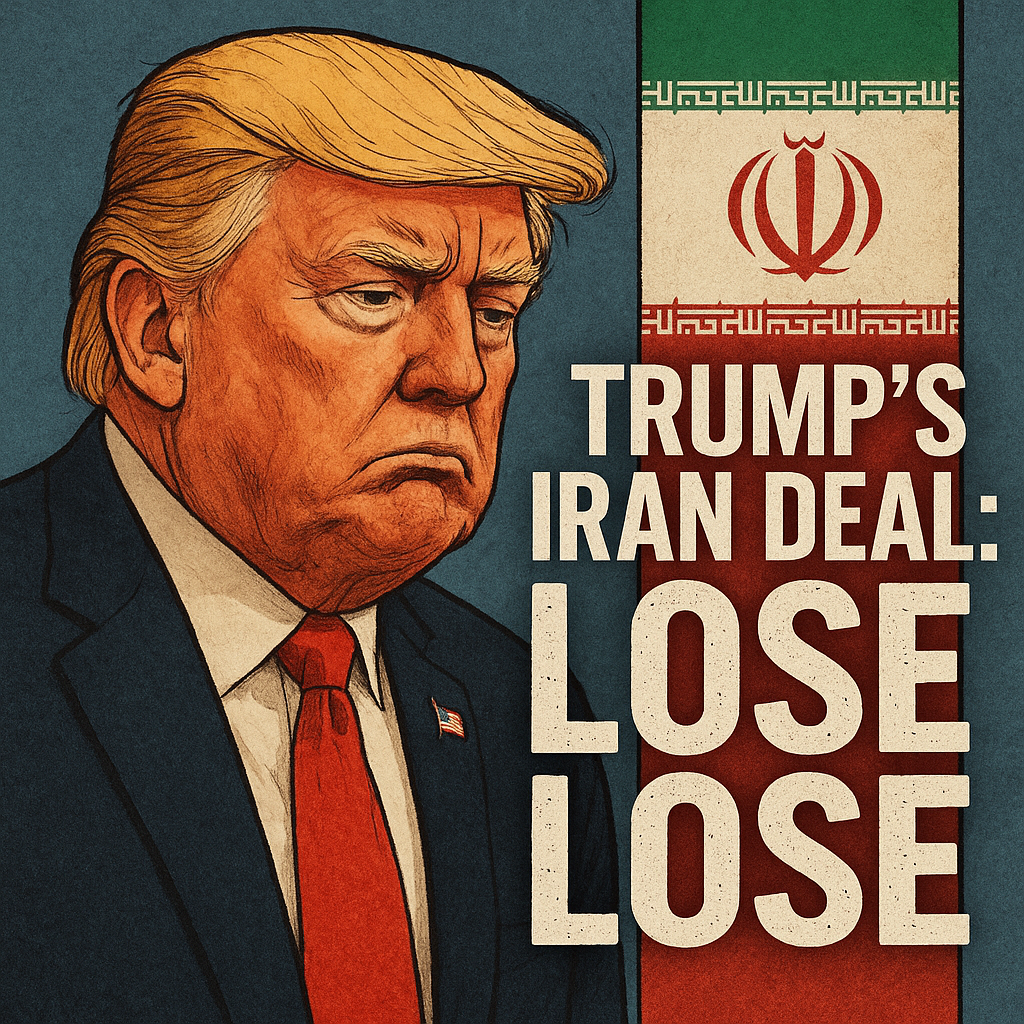
The complexities surrounding Trump’s Iran Deal are emblematic of the fraught landscape of U.S. foreign policy in the Middle East, a situation deemed a “lose, lose, lose” for America by various analysts and commentators. This sentiment stems from a confluence of factors, including regional stability, diplomatic relations, and domestic political ramifications.

The Fallout from the Deal
In 2018, then-President Donald Trump announced the unilateral withdrawal of the United States from the Joint Comprehensive Plan of Action (JCPOA), commonly known as the Iran nuclear deal. The decision was met with a mixture of relief and apprehension. Proponents of the move argued that the deal was inherently flawed, pointing to Iran’s ongoing missile development and regional behavior as justifications for a hardline approach. Critics, however, warned that withdrawing from the agreement would destabilize the region further and embolden Iran’s more aggressive actions.


Recent reports indicate that Trump’s decision has intensified Iran’s nuclear ambitions. The International Atomic Energy Agency (IAEA) noted that Iran has enriched uranium to levels closer to the threshold required for a nuclear weapon. This has raised alarms not only in Washington but globally, as many fear a nuclear-armed Iran could trigger an arms race in the volatile Middle East.


Iranian officials argue that the U.S. withdrawal from the JCPOA was a clear violation of international law. They assert that the deal was built upon a stable foundation of agreements that were beneficial not only to Iran but also to broader international security. Critics of Trump’s actions within the U.S. have labeled them as reckless, arguing that the withdrawal did not just isolate Iran but also diminished America’s credibility on the world stage.
Regional Repercussions: A Tenuous Balance
The aftermath of the U.S. withdrawal has led to increasingly fraught relations in an already explosive region. As Iran resumes its nuclear advancements, traditional U.S. allies, particularly in the Gulf, express mounting concern. Countries like Saudi Arabia and Israel, fearing an ill-fated advantage to Iran, are actively seeking to bolster their defense capabilities, potentially leading to an arms race.
Conversely, Trump’s supporters maintain that the deal’s failures warranted the drastic step of withdrawal. They claim that this approach gave the U.S. leverage to negotiate a more comprehensive and effective agreement. However, this view glosses over the reality that relations with European allies have soured, as they worked to uphold the agreement despite the U.S. exit.
Proponents of a diplomatic approach suggest that re-engaging Iran through dialogue rather than sanctions could yield more favorable outcomes. A report from Al Jazeera highlighted how some diplomats believe that a reset could facilitate a return to the negotiating table, allowing for a more constructive framework that addresses regional security issues and Iran’s nuclear program.
Although the divide in opinions remains substantial, the case for diplomatic engagement continues to gain traction among certain factions within the U.S. political landscape. Given the long-term implications of a nuclear-capable Iran, many argue that the country deserves a chance to return to compliance rather than further isolating it.
Navigating Domestic Political Ramifications
Domestically, Trump’s Iran Deal withdrawal has polarized political opinions. While many Republicans have rallied behind his hardline policies, Democrats and some moderates criticize the approach as insufficiently strategic. The Biden administration’s attempt to re-enter negotiations while balancing domestic pressures serves as evidence of the complexities involved. If negotiations fail, both economic ramifications and national security concerns will rise to the forefront.
Moreover, the media has underscored the potential long-term implications of a sustained U.S. withdrawal from multilateral agreements. As U.S. credibility wavers, adversaries like China and Russia have begun to reassert their influence in the region as the U.S. focuses inward. This further complicates the potential for a cohesive U.S. foreign policy that prioritizes American interests while maintaining global leadership.
Conclusion: The Case for Reevaluation
In retrospect, Trump’s approach to the Iran Deal can be interpreted as a move that has, thus far, led to undesirable outcomes. As tensions in the Middle East continue to escalate, the assertion that the U.S. is facing a “lose, lose, lose” situation gains traction. A delicate balance must be struck—one that weighs the benefits of diplomacy against the uncertainties inherent in engaging with a nation that continues to pursue nuclear capabilities.
Whether through renewed diplomatic talks or strategic reengagement with allies, the situation calls for a comprehensive evaluation of U.S. foreign policy in the Middle East. The stakes are high, and the consequences of inaction—both regionally and domestically—are significant. Washington must weigh its options carefully to navigate this increasingly complex and critical landscape.