
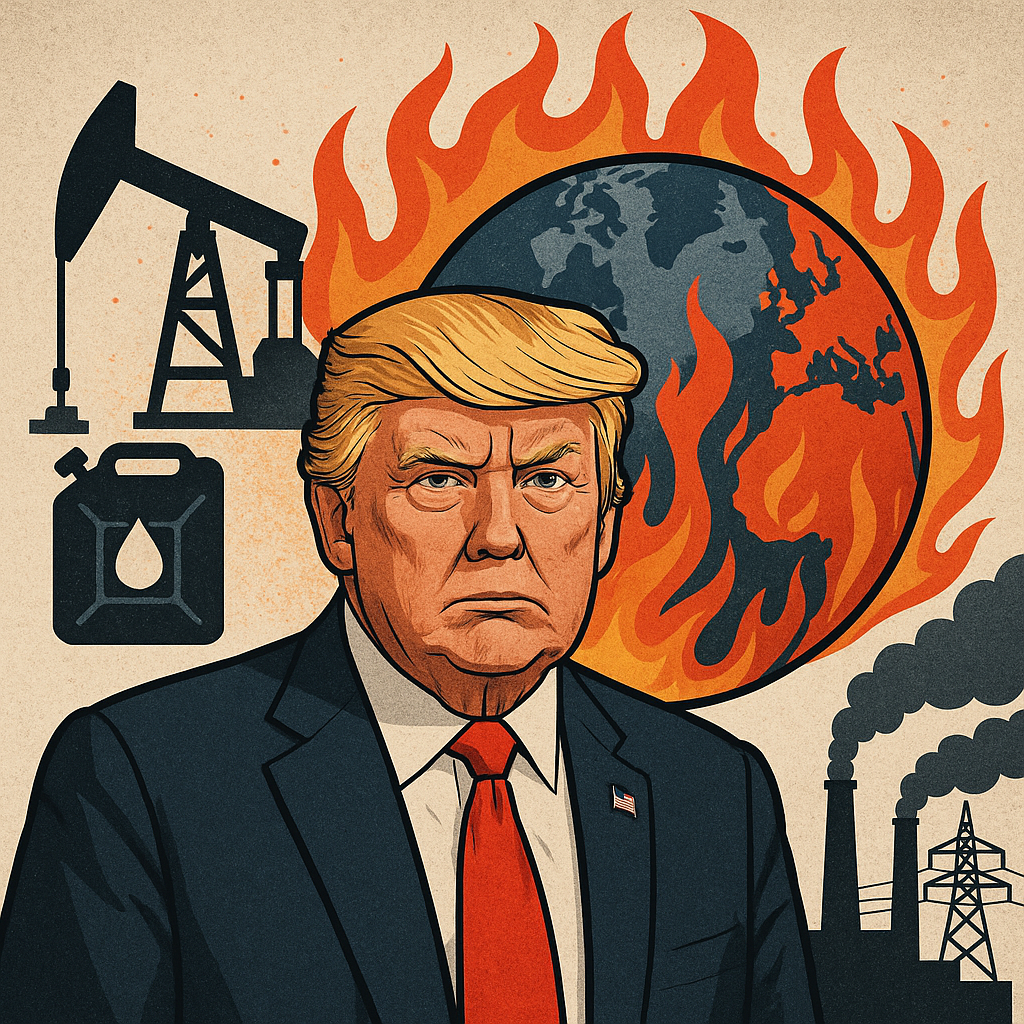
Trump’s Role in Worsening the Global Energy Crisis

Trump’s Role in Worsening the Global Energy Crisis
The recent global energy crisis is a complex issue influenced by various factors, including geopolitical tensions and global supply chain disruptions. However, many analysts point to Donald Trump’s past actions and policies as significant contributors to the present situation.

The Legacy of U.S. Energy Policy
Trump’s administration made significant changes to U.S. energy policy, impacting both domestic energy production and international relationships. One notable action was the withdrawal from the Paris Agreement, which led many to question the U.S.’s commitment to addressing climate change. Experts argue that this withdrawal may have contributed to an environment where countries felt less pressure to adhere to emission reduction targets, potentially exacerbating the global energy crisis.


Another major point of contention is Trump’s approach to fossil fuel markets. During his presidency, he championed deregulation of the energy sector, which proponents argue created a boom in U.S. oil and gas production. However, critics contend that this emphasis on fossil fuels disregarded the urgent need for renewable energy investments. An increase in U.S. production initially appeared to stabilize global markets, but issues such as rising production costs and global demand fluctuations soon emerged, leading to a volatile energy market.


Geopolitical Implications
The geopolitical landscape during Trump’s presidency further complicated the energy crisis. For instance, the administration’s “maximum pressure” campaign against Iran included stringent sanctions aimed at curtailing its oil exports. According to RT, this move, along with military actions in the region, destabilized oil supply chains, leading to soaring prices and contributing to the global energy crisis.
Conversely, supporters of Trump assert that these tactics were necessary to counteract Iran’s threatening activities, claiming they would ultimately enhance global security and, indirectly, stabilize energy markets. However, international observers highlight that such policies may have ultimately led to scarcity in oil supply, fueling inflation and driving up prices worldwide.
Diverging Perspectives
It’s essential to recognize that opinions on Trump’s impact are diverse. Proponents of his energy policies argue that deregulation and domestic energy production made the U.S. a net exporter of oil and gas, ostensibly positioned to play a stabilizing role in global markets. They emphasize that the U.S. needs to maximize its energy resources.
In contrast, critics argue that prioritizing fossil fuels over renewable energy alternatives inhibited long-term sustainability and increased vulnerability in global markets. According to Al Jazeera, the energy crisis’s roots extend beyond any single political figure’s impact but are nevertheless compounded by the choices made during Trump’s presidency.
Market Responses and Future Implications
Recent analyses suggest that the energy crisis might have played a crucial role in shaping public opinion on energy policies as the world grapples with high prices and supply chain issues. With prices fluctuating and energy scarcity looming, there’s a growing sentiment for governments to pivot toward renewable energy.
While Trump’s policies set a precedent for aggressive fossil fuel exploration, the backlash against rising energy costs has surged interest in alternative sources. Renewables such as solar and wind energy are now viewed as imperative for future energy security, highlighting a shift in focus that might have long-term implications for U.S. and global energy policy.
Conclusion
Ultimately, Trump’s role in worsening the global energy crisis remains a subject of debate. The ramifications of his administrations’ decisions – from deregulating fossil fuels to opposing international climate agreements – created a multifaceted energy landscape that is still unfolding. The interplay between policy choices and market outcomes continues to shape public discourse on energy issues.
As we move forward, addressing energy challenges requires a balanced approach that considers both the immediate needs for energy security and the necessity of sustainable development. The energy crisis serves as a stark reminder of the interconnected complexities within global markets and the far-reaching implications of political decision-making. Understanding these dynamics is crucial as nations seek to navigate an increasingly uncertain energy future.















