Trump to Sign US-Iran Deal Tomorrow: What to Expect

Trump to Sign US-Iran Deal Tomorrow: What to Expect
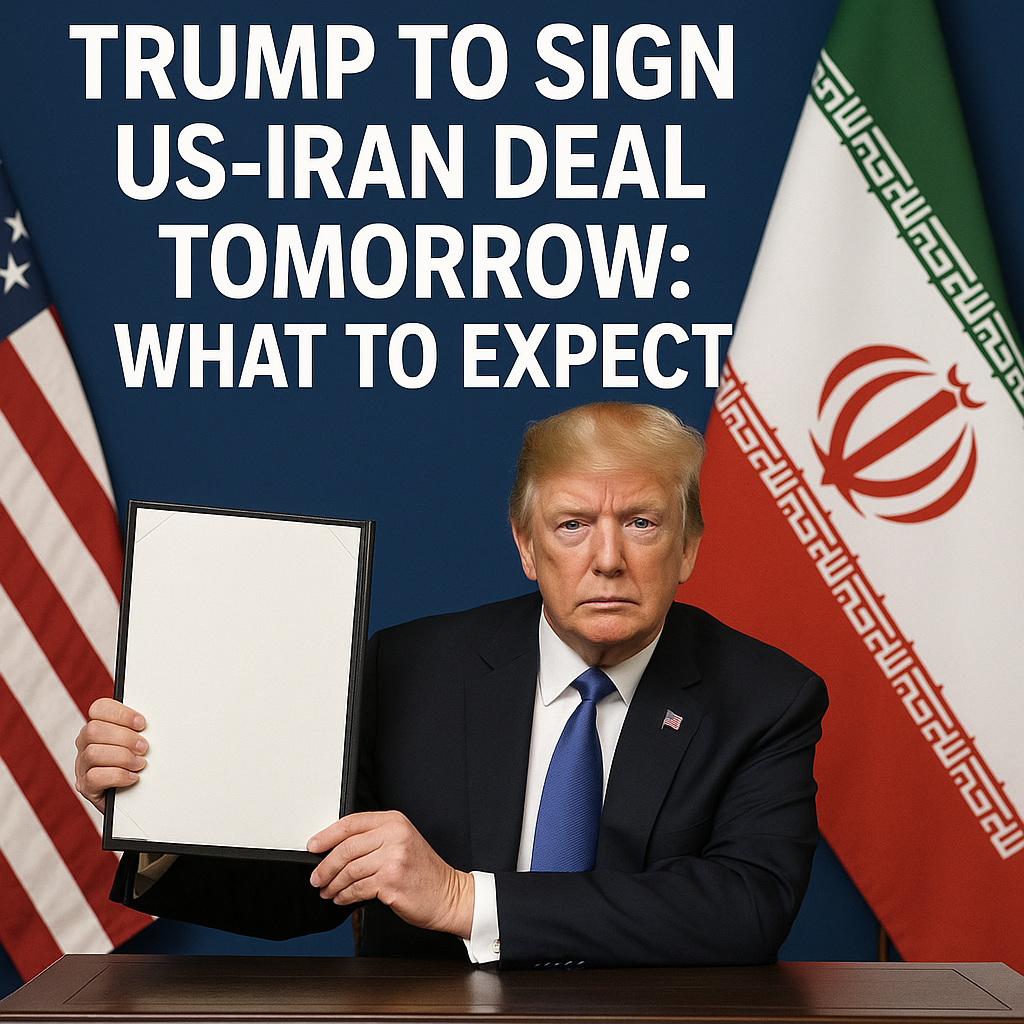
In a significant turn of events in international diplomacy, President Trump is set to sign a controversial US-Iran deal tomorrow, a move that is likely to reshape the geopolitical landscape of the Middle East. This momentous decision, laden with complex implications, is drawing attention and mixed reactions from global leaders, analysts, and citizens alike.

Context: The US-Iran Relationship
The relationship between the United States and Iran has been tumultuous for decades, marked by periods of hostility and fleeting opportunities for dialogue. The 2015 nuclear agreement, known as the Joint Comprehensive Plan of Action (JCPOA), initially aimed to mitigate nuclear threats, yet subsequent withdrawals and sanctions led to heightened tensions. With Trump’s administration taking a firm stance against Iran, the upcoming deal is touted as a pivotal step towards redefining this fraught relationship.


While the full details of the deal are yet to be disclosed, early reports suggest it may involve easing some sanctions on Iran in exchange for tighter controls on its nuclear program. Analysts underscore that this potential shift could not only affect US-Iran relations but also impact other regional players who have had their own vested interests in a nuclear-free Iran.


Perspectives on the Upcoming Deal
Supportive Views
Supporters of the deal, including various Democratic lawmakers and foreign policy analysts, argue that reopening negotiations could lead to a stabilization of the region. According to a senior diplomat, who spoke on the condition of anonymity, “This deal represents a chance to engage Iran constructively, thereby reducing the risk of military conflict.” Advocates point to the economic benefits that could emerge if sanctions are relaxed, potentially aiding in the recovery of the Iranian economy while also fostering better trade relations.
Another positive viewpoint highlights that a renewed agreement could place Iran under international scrutiny, adding layers of accountability. This sentiment was echoed by a former high-ranking official involved in the JCPOA talks, who remarked, “Engagement is essential; isolation has only escalated tensions.”
Critical Opinions
Conversely, critics remain skeptical of the deal’s potential effectiveness. Some Republican lawmakers and conservative analysts voice concerns that the agreement could empower Iranian leadership and fuel further regional instability. They argue that easing sanctions may bolster Iran’s military capabilities and support for proxy groups across the Middle East, like Hezbollah and various militias in Iraq and Syria.
“The risks far outweigh the benefits,” asserted a national security expert known for his critical stance on previous negotiations. This perspective suggests that any concessions made to Iran could lead to a perception of weakness, not only undermining US credibility but potentially emboldening adversaries both in the region and beyond.
What’s at Stake?
The future of the US-Iran relationship hangs in the balance of this upcoming signing. Both supporters and critics recognize the stakes are high—not just for the two nations, but for global security and economic markets.
1. Regional Stability: An agreement may foster a temporary respite in hostilities, allowing both countries to focus on pressing issues like humanitarian efforts and refugee crises that have plagued the region.
2. International Relationships: How this deal unfolds could influence America’s standing with its allies, especially European nations that had previously supported the JCPOA. A perceived success might encourage a united front in negotiations with other global challenges, while failure could deepen rifts.
3. Domestic Momentum: Trump’s ability to sell this deal domestically will also configure the political landscape going into upcoming elections. Opponents will likely challenge the efficacy and morality of engaging with Iran, while supporters may rally around a narrative of peace and diplomacy.
Looking Ahead: The Uncertain Future
As the signing date approaches, the ambiguity surrounding the deal’s long-term ramifications remains pronounced. While some see a pathway to dialogue and resolution, others caution against the potential consequences of a miscalculated agreement. The international community is watching closely, weighing the immediate benefits against the risks of longer-term geopolitical instability.
In conclusion, as Trump prepares to sign the US-Iran deal tomorrow, anticipation and anxiety ripple through political circles and across borders. The outcome of this decision not only stands to redefine US-Iran relations but could also hold significant sway over the broader Middle East landscape for years to come. Whether this deal will ultimately be a harbinger of peace or a step toward further conflict remains to be seen.