
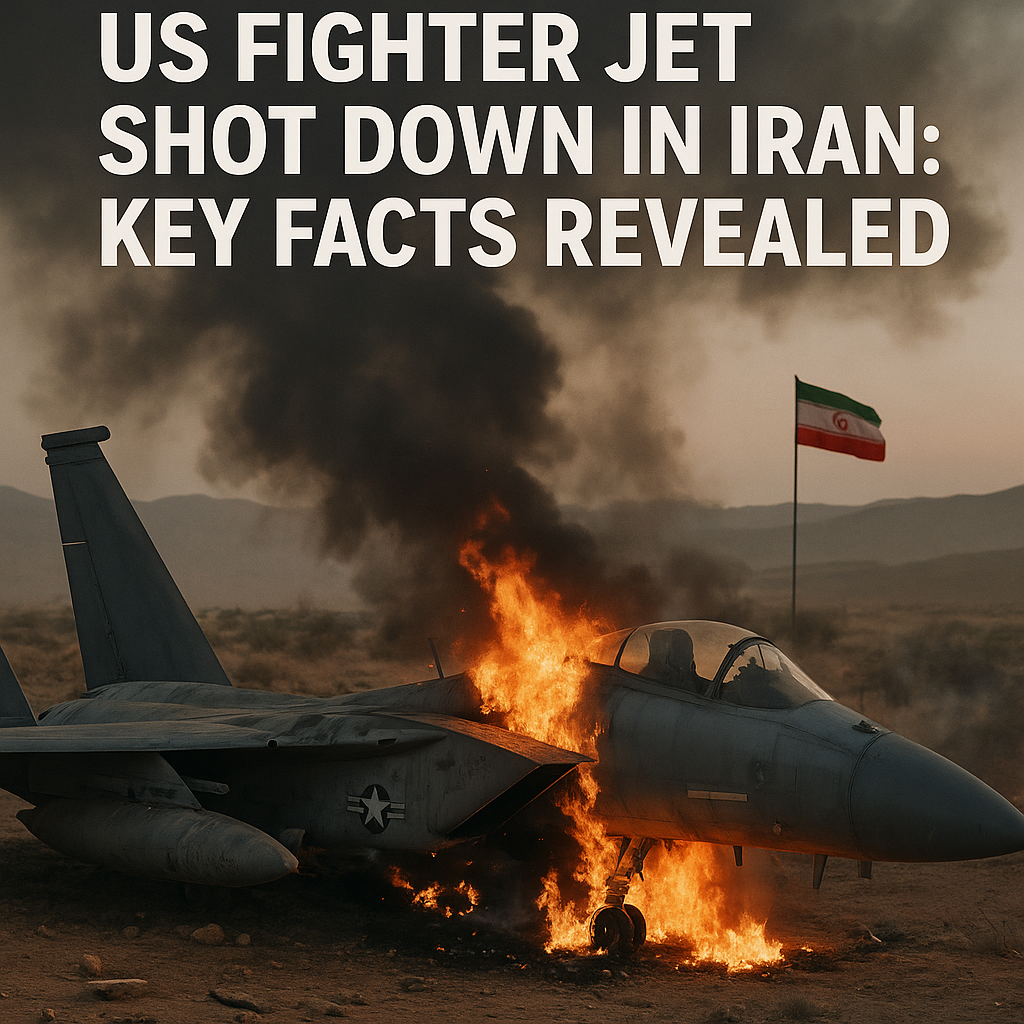
US Fighter Jet Shot Down in Iran: Key Facts Revealed

U.S. Fighter Jet Shot Down in Iran: Key Facts Revealed
The recent incident of a U.S. fighter jet being shot down in Iran has sent shockwaves through the international community, reigniting discussions on military engagements and geopolitical tensions in the region. Understanding the circumstances and ramifications of this event requires examining various perspectives and factual information.

The Incident: What Actually Happened?
On April 3, 2026, reports emerged that a U.S. F-35 fighter jet was downed by Iranian air defense systems during a reconnaissance mission. Al Jazeera detailed the event, highlighting that the jet was reportedly engaged while conducting surveillance over a sensitive area in Iran. The U.S. Department of Defense has confirmed the loss but offered limited details about the mission’s objectives.


Iranian authorities asserted that their air defense systems effectively protected their airspace from unauthorized incursions, framing this incident as a significant national security victory. “This is a demonstration of our capability to defend our sovereignty,” stated an Iranian military spokesperson. The Iranian narrative emphasizes a view of resilience against perceived external threats.


In contrast, U.S. officials have expressed serious concerns over the incident. They posited that the downing might exacerbate existing tensions between the two nations, which have been fraught with conflict over issues surrounding nuclear capabilities and regional influence. A senior U.S. defense official indicated that the Pentagon is evaluating the event to understand its implications more thoroughly.
Moving Beyond the Facts: Analyzing Perspectives
Military and Diplomatic Implications
This incident raises several critical questions about U.S.-Iran relations and the implications for global security. While some analysts argue that this event could lead to escalated military engagements, others suggest it serves as an opportunity for dialogue.
– Escalation: Military experts warn that a retaliatory strike by the U.S. could significantly heighten the risk of broader conflict. Should the U.S. decide to respond militarily, it could unleash a chain reaction, possibly involving allied forces and leading to significant civilian casualties.
– Dialogue Opportunities: On the other hand, some diplomatic commentators suggest that such incidents may serve as catalysts for dialogue. A focus on de-escalation could foster negotiations aimed at defusing tensions which have historically led to conflict between the two nations.
Public Opinion and Media Narrative
Public sentiment in both countries varies considerably, reflecting broader geopolitical identities. U.S. citizens appear divided; some advocate for a strong military response, arguing it is necessary to deter future provocations, while others push for a more restrained approach, emphasizing diplomacy and the costs of war. In Iran, the narrative largely bolsters nationalist sentiments, framing the incident as proof of their military prowess and resoluteness against foreign intervention.
Media coverage also plays a significant role in shaping public perception. Outlets like RT emphasize Iran’s defense capabilities, often highlighting narratives that support a more critical view of U.S. military actions in the Middle East. Meanwhile, Western media, such as Al Jazeera, present a more balanced approach, scrutinizing both nations while emphasizing the complexities underlying their interactions.
The Path Forward: Navigating Uncertainties
The aftermath of this incident leaves the international community grappling with uncertainties. Will this be a defining moment that alters the trajectory of U.S.-Iran relations, or simply another chapter in a long history of tensions?
The truth may lie somewhere in between. While calls for military responses might echo loudly in certain circles, the potential for dialogue remains, albeit fraught with significant challenges. Both sides have much to gain from a diplomatic resolution, yet entrenched positions often complicate engagement.
Such complexities remind us of the delicate balance required in international relations. As the situation unfolds, it will be essential to monitor developments closely, remaining aware of the broader context while also considering the immediate implications of military actions.
Conclusion
The downing of the U.S. fighter jet in Iran serves as a stark reminder of the fragile nature of peace in conflict-prone zones. With military engagements on the rise and diplomacy often sidelined, it is crucial for both nations—and the international community at large—to prioritize conversations that seek to bridge divides rather than deepen them. The events following this incident will undoubtedly shape future interactions, and an informed approach may be our best path forward in navigating these tumultuous waters.















