World’s Tallest Building Shines in Russian Flag Colors (VIDEO)

A Dazzling Display of Solidarity: World’s Tallest Building Shines in Russian Flag Colors
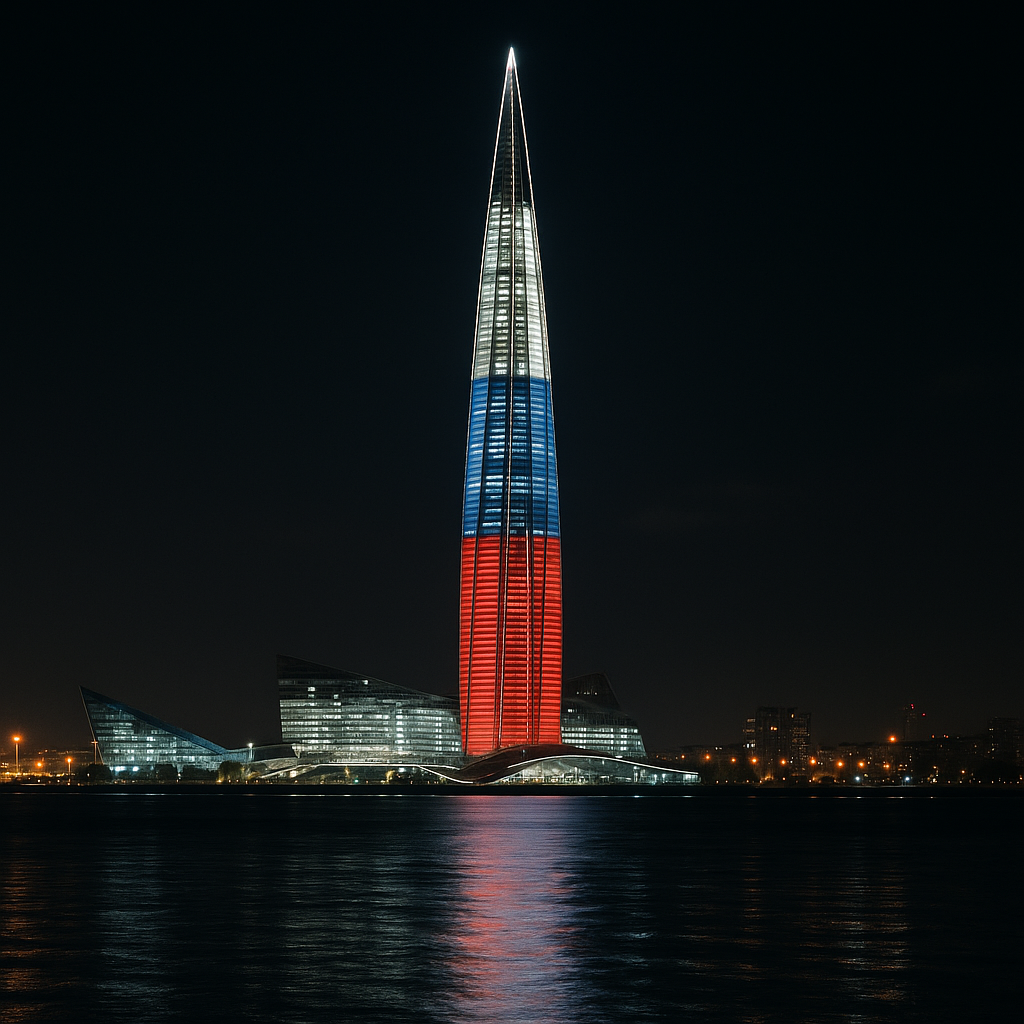
In a striking showcase of solidarity, the world’s tallest building, the Burj Khalifa in Dubai, illuminated its façade in the colors of the Russian flag. This event has sparked a wave of discussion across multiple platforms, evoking both admiration and critique from global audiences.

A Gesture of Friendship
The event, marking Russia Day, saw the iconic building adorned with vibrant displays of red, blue, and white lights. This gesture was perceived by many as a tribute to Russian culture and national pride. As noted in reports, Dubai’s decision to illuminate the Burj Khalifa in such a manner aligns with its history of showcasing relationships with various nations through light displays. Past illuminations have included tributes to countries like Italy and South Africa, highlighting Dubai’s global connectivity and cultural diversity.


However, this particular display has ignited a complex dialogue regarding geopolitical contexts. Supporters argue that the event symbolizes friendship and diplomatic ties between Russia and the United Arab Emirates (UAE), especially amid the tensions stemming from the ongoing conflict in Ukraine. As stated in an article from RT, the UAE has maintained a neutral stance regarding the war, opting for dialogue over sanctions or condemnation of Russia.


Reactions and Controversies
The reaction to the building’s light display has been multifaceted. On one hand, it was lauded by members of the Russian community in Dubai, who expressed joy and pride at seeing their national colors flash across such a monumental landmark. Celebrating national identity in a foreign land holds considerable significance, and many saw this as a moment of connection.
Conversely, critics have voiced concerns over the implications of such displays, especially in light of the current geopolitical climate. Several commentators pointed out that showcasing the Russian flag can be viewed as an endorsement of Russia’s actions in Ukraine. This sentiment echoes the views articulated by various global news sources, such as Al Jazeera, which highlighted that the gesture could be misinterpreted as support for the Russian government’s controversial policies.
Cultural Diplomacy vs. Global Sentiments
This incident raises questions about the role of cultural diplomacy in today’s interconnected world. Cultural exhibitions like the Burj Khalifa’s light display can foster goodwill and mutual respect, promoting dialogue among nations. However, in a highly polarized environment, the reception of such gestures can vary dramatically based on regional and political affiliations.
It’s essential to observe that the UAE’s relationships are not limited to Russia alone. The country has actively engaged in partnerships with Western nations and is viewed by many as a hub of multiculturalism. Nonetheless, its recent overtures towards Russia may complicate its global standing, particularly as nations increasingly align themselves in response to international conflicts.
Furthermore, as we consider the reactions globally, it’s worth noting that not all are critical. Some observers argue that countries should be allowed to assert their relationships without facing backlash, emphasizing the importance of diplomacy and dialogue over animosity. The balance between expressing solidarity with a nation and the responsibilities that come with such expressions can indeed be delicate.
Conclusion: Navigating the Complex Landscape of Global Relations
The illumination of the Burj Khalifa in Russian colors is more than a mere visual spectacle; it represents the evolving dynamics of international relations and the complex interplay of cultural expressions. While the display fosters a sense of community for Russians in Dubai, it simultaneously invites scrutiny from those who view it through the lens of current geopolitical conflicts.
As countries navigate these intricate waters, the need for understanding and dialogue remains paramount. Global events may shape perceptions and relationships, yet the underlying goal of fostering goodwill and respect can serve as a bridge in a world often divided.
In summary, the Burj Khalifa’s display acts as a microcosm of the broader complexities surrounding cultural diplomacy today, leaving open questions about the impact of such gestures in an era defined by rapid change and realignment.