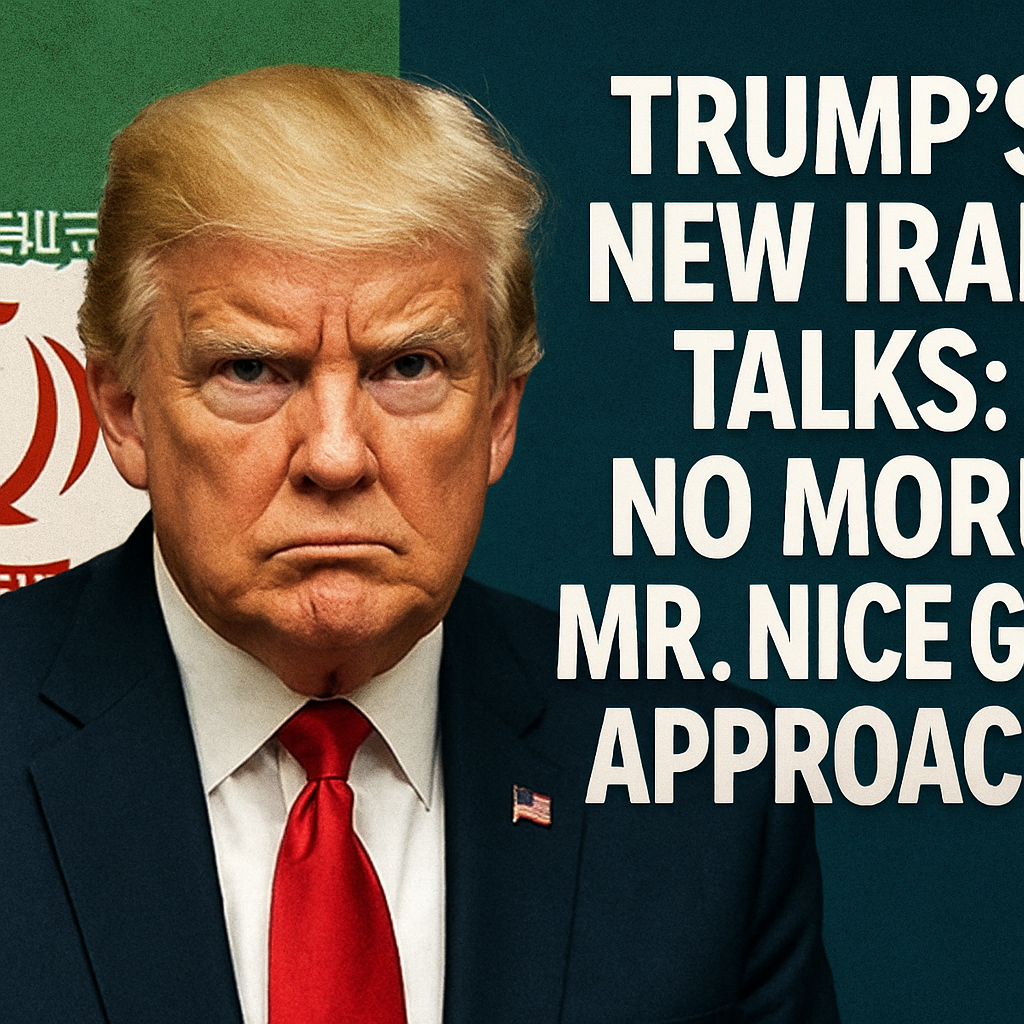
Trump’s New Iran Talks: No More Mr. Nice Guy Approach
Trump’s New Iran Talks: No More Mr. Nice Guy Approach
Former President Donald Trump’s recent comments about resuming discussions with Iran signal a notable shift in rhetoric—one that may potentially redefine U.S.-Iran relations. The phrase “no more Mr. Nice Guy” suggests a more assertive stance, hinting at a departure from previous diplomatic niceties in favor of a tougher approach. As global tensions simmer and the Iranian nuclear issue looms large, this development necessitates a closer examination of the implications and reactions stemming from such a pivot.

Shifting Dynamics in U.S.-Iran Relations
The debate surrounding Trump’s proposed strategy centers on key issues—nuclear proliferation, regional stability, and the long-standing enmity between the U.S. and Iran. After the 2015 Iran nuclear deal (Joint Comprehensive Plan of Action), which Trump famously abandoned in 2018, the landscape has been fraught with challenges. Analysts suggest that Trump’s possible return to power in the 2024 elections may reignite discussions about a fresh diplomatic approach, albeit with a more aggressive stance.

According to reports from Al Jazeera, Trump’s emphasis on a “no more Mr. Nice Guy” strategy could reinforce his hardline base while aiming to appeal to voters concerned about national security. Critics, however, worry that this approach may exacerbate tensions, leading to potential military confrontations rather than peace negotiations.

Conversely, other perspectives emphasize the necessity of firmness in future talks. As reported by Sky News, some experts argue that Iran’s recent nuclear advancements compel the U.S. to adopt a more stringent position. With reports indicating that Iran has enriched uranium to levels close to weapons-grade, advocates of a tough approach contend that engaging Iran through strength rather than diplomacy may yield more favorable outcomes.
The Role of Allies and Regional Players
Moreover, the efficacy of Trump’s hardline approach depends on the support of U.S. allies in the region. Nations such as Israel and Saudi Arabia have historically endorsed aggressive U.S. policies towards Iran, often cautioning against what they perceive as the dangers of Iranian influence. Their backing could reinforce Trump’s position, making the strategy appear more viable.
However, a significant challenge lies in garnering collective support. Many European allies, who favored the 2015 deal, have been vocal about their opposition to aggressive tactics, believing that diplomacy remains the best avenue for addressing nuclear concerns. This divide raises questions about the feasibility of any new agreement and the broader implications for Western unity.
Evaluating Potential Outcomes
Given the multifaceted nature of U.S.-Iran relations, predicting the outcome of Trump’s proposed approach proves difficult. On one hand, a tougher stance may compel Iran to negotiate from a position of weakness. On the other hand, escalating hostilities might drive the two nations further apart, diminishing any chance for constructive discussions.
While Trump’s rhetoric suggests an intention to take a firmer stand, the reality of international diplomacy often necessitates compromise and engagement. Recent history teaches us that confrontational tactics may yield short-term gains but can hinder long-term resolutions. As Jonathan Cristol, a policy expert, notes in various discussions reported by RT, any approach must consider the delicate balance between pressure and diplomacy.
Conclusion: Navigating a Complex Landscape
Navigating the complexities of U.S.-Iran relations demands a nuanced understanding of the geopolitical factors at play. Trump’s “no more Mr. Nice Guy” approach, while appealing to certain factions, faces significant opposition not only from within the U.S. but also from the international community. The challenge lies in crafting a strategy that balances the need for security with the urgency for diplomatic dialogue.
As the 2024 elections approach, the implications of Trump’s stance on Iran will likely resonate across political platforms, influencing both domestic and international policy discussions. Ultimately, whether this bold rhetoric translates into practical foreign policy remains to be seen, but its resonance will surely shape the future of U.S.-Iran relations for years to come.