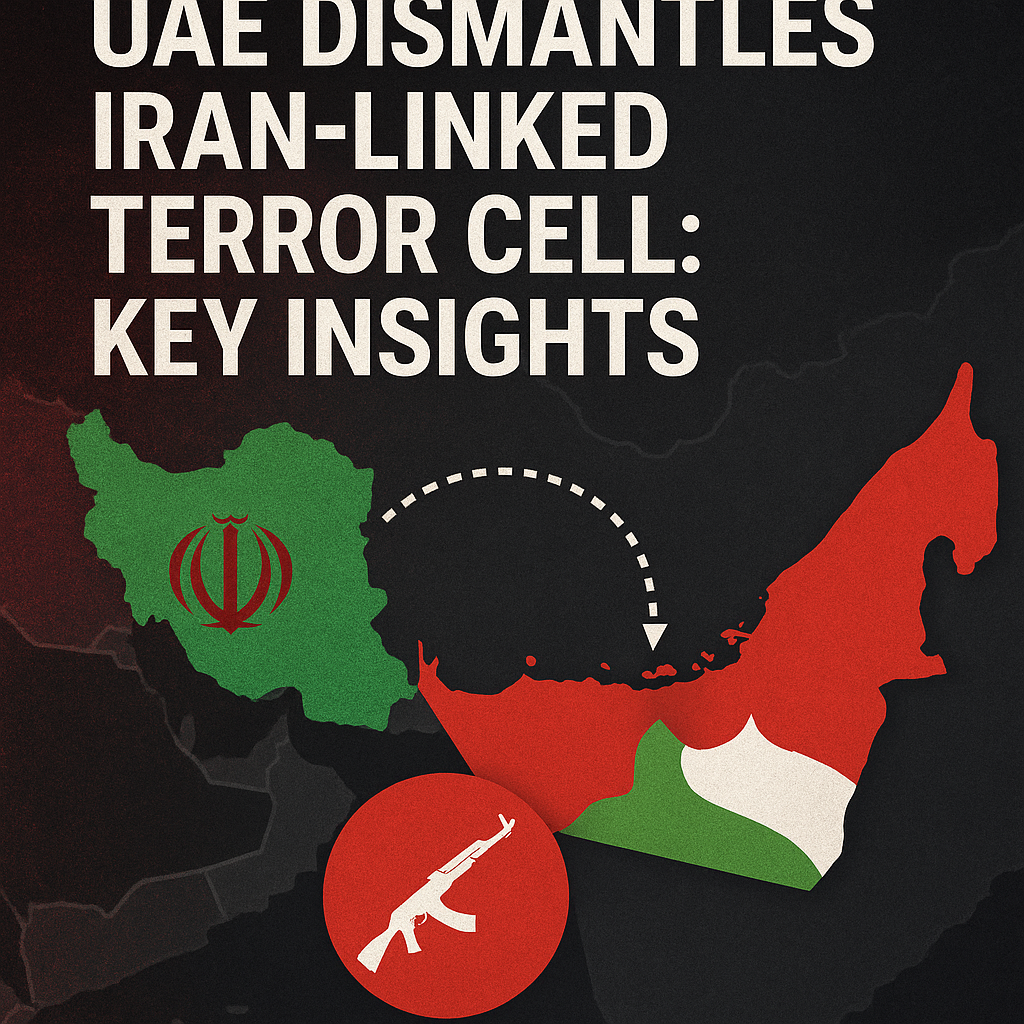
UAE Dismantles Iran-Linked Terror Cell: Key Insights
UAE Dismantles Iran-Linked Terror Cell: Key Insights
The recent dismantling of a terror cell allegedly linked to Iran in the UAE has ignited a complex dialogue about regional security, foreign relations, and terrorism. As the UAE moves to reinforce its stance against perceived threats, this development brings to light multiple facets of the ongoing tensions in the Middle East.

Understanding the Context of Terrorism in the Region
The UAE’s actions come against a backdrop of escalating scrutiny over Iran’s influence in the Gulf region. The reports indicate that the UAE’s Ministry of Interior announced the arrest of several individuals accused of planning attacks on critical infrastructure and targeting specific national interests. Al Jazeera notes that the arrested suspects not only had links to Iranian operatives but were also believed to be connected to groups highly involved in terrorist activities within the region.

Perspectives on Iran’s Role in the Conflict
The narrative surrounding Iran’s involvement is multifaceted. Proponents of the UAE’s position argue that Iran has long been engaged in destabilizing activities throughout the Gulf. Reports from RT emphasize the UAE’s commitment to regional stability and its proactive approach to countering threats that are perceived as emanating from Iranian influence. “The UAE remains resolute in ensuring the security and safety of its citizens and residents,” the publication quotes a UAE official.

Conversely, Iranian officials have disputed such claims, suggesting they are part of a broader strategy to tarnish Iran’s reputation and justify broader military and economic sanctions against the country. This dissonance illustrates the complexity at play, as both sides leverage narratives that serve their strategic interests.
Implications for Regional Security and Diplomacy
The arrest of this alleged terror cell raises critical questions about regional security dynamics and the relationship between the UAE and Iran. While the UAE has been pursuing a more open diplomatic relationship with its neighbors, including Iran, incidents like this could strain relations and curb progress.
One significant dimension to this development is the impact on international relations. Analysts suggest that the UAE’s firm actions could encourage Western allies, particularly the United States, to reassess their strategies in the Middle East regarding both Iran and broader terrorism concerns. Sky News reports that this kind of stringent counterterrorism action aligns with the UAE’s broader objectives to depict itself as a stabilizing force in the region, especially to its Western allies.
What Comes Next: Balancing Diplomacy and Defense
Moving forward, the UAE may need to tread carefully as it balances its security concerns with its diplomatic aspirations. As tensions rise, it could become increasingly difficult for the UAE to maintain its role as a mediator in the region. Reports indicate that while the UAE has successfully formed alliances with Israel and improved relations with global powers, the underlying conflicts in the region could threaten those relationships.
Furthermore, analysts argue that the roots of terrorism linked to Iran should encourage a more nuanced approach to foreign policy. Engaging in diplomatic conversations, alongside taking decisive security actions, may prove essential in addressing the underlying issues fueling terrorism in the region.
Concluding Thoughts
The dismantling of the terror cell highlights the intricate web of security, diplomacy, and international relations in the Middle East. Both the UAE and Iran have significant stakes in how this situation unfolds. As the UAE asserts its commitment to security, it must navigate the complexities of regional politics while avoiding further escalation of tensions.
With Iran positioned firmly as a central player in the conversation regarding terrorism and regional stability, the prospect of diplomatic dialogues may be integral to mitigating future conflicts. Whether through direct engagement or third-party mediation, ensuring that robust discussions take place could pave the way for a more peaceful, secure Middle East.
As the situation continues to develop, stakeholders from across the globe will be watching closely—the facts, sentiments, and uncertainties that emerge will significantly shape the geopolitical landscape for years to come.