
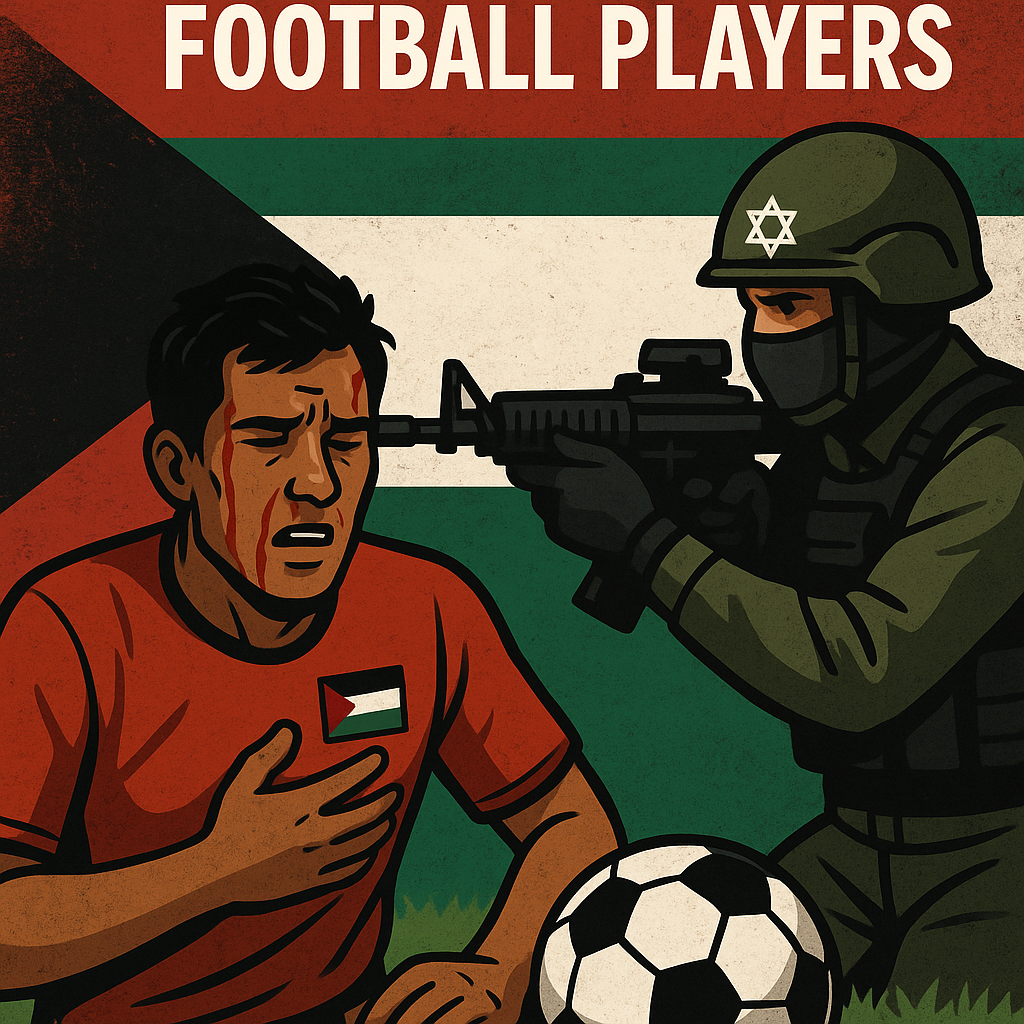
Palestine Accuses Israel of Targeting Football Players
Palestine Accuses Israel of Targeting Football Players
The ongoing tensions between Palestine and Israel have recently taken a striking turn, as accusations emerge that Israeli forces have deliberately targeted football players amid the conflict. This has sparked outrage within the Palestinian community and beyond, bringing attention to the intersection of sports and political strife.

The Allegations: Targeting Athletes in Conflict
According to reports from various sources, including RT and Al Jazeera, Palestine has voiced its concerns over the arrest of football players deemed integral to local teams and national representation. The Palestine Football Association has claimed that Israeli military actions have increasingly focused on players, disrupting not only their careers but also the social fabric that sports contribute to in the region.

A notable incident occurred recently when several Palestinian youth football players were arrested during a military raid in the West Bank. This has led to mounting frustration and condemnation from both local leaders and international human rights organizations. Mohammad Muneer, a spokesperson for the Palestine Football Association, described the arrests as “a direct attack on our culture and identity,” highlighting the critical role sports play in uniting people amidst ongoing conflict.

Such actions have drawn sharp disagreement within the international community, with some siding with Palestinian claims of victimization. In contrast, others argue that the context of security threats must be taken into account. The Israeli government has yet to provide a comprehensive response regarding the specifics of these alleged incidents but has consistently maintained that military actions focus on ensuring national security.
Perspectives from the Ground: Responses and Reactions
The context surrounding these allegations reveals a complex narrative shaped by historical grievances and ongoing conflicts. Palestinian athletes have expressed feelings of hopelessness and frustration. Many have taken to social media to share their stories, illustrating the challenges of pursuing their passion amidst hostile conditions. “Football should be a unifying force, but what we experience here is far from that,” said one youth player, encapsulating the thoughts of many in similar situations.
On the other hand, there are voices that caution against framing this issue primarily in terms of sports. Some commentators argue that while the concerns for individual athletes are valid, they also reflect broader societal issues under occupation. “It’s not just about footballers; this is about a community under duress,” remarked a political analyst discussing the multifaceted impact of military actions on civilian life.
The divergence in perspectives highlights a critical issue: how to balance the narratives around these events while recognizing differing interpretations of security and rights. The situation can appear inevitable when considering that athletes are often seen both as cultural representatives and symbols of national identity, making them susceptible to both adoration and scrutiny.
The Global Response: Sports and Politics
Internationally, the narrative surrounding these allegations extends into broader discussions about sports and politics. Some human rights activists have called for boycotts against Israeli products, urging sports leagues to consider their role in amplifying these concerns. This has led to heated debates about the ethics of sports in global politics, with some asserting that athletes should actively engage in political advocacy, while others emphasize the need for sports to remain a neutral ground.
Prominent figures within the global football community have begun to respond to the situation, yet the apolitical stance many sports organizations traditionally uphold complicates matters. Fifa and other governing bodies face the task of reconciling their missions with the complexities of territorial conflicts. This creates challenges not just for the athletes affected but for the international reputation of football as a unifying sport.
Moreover, it raises the question of what solidarity looks like in practice. Activists and former players have engaged in social media campaigns to raise awareness, emphasizing that sporting communities should consider their roles not only as entertainers but as advocates for justice.
Conclusion: A Call for Dialogue and Understanding
As the situation continues to evolve, it is imperative for all stakeholders—be it athletes, governmental bodies, or sports organizations—to engage in respectful and constructive dialogue. Palestinian footballers should not be caught in the crossfire of political actions; there must be a concerted effort to differentiate between safety and systematic suppression of cultural expression.
Ultimately, the allegations of targeting football players have pulled back the curtain on deeper, systemic issues that demand attention. Sports, a universal language meant to bridge divides, is juxtaposed against the stark realities of conflict and occupation. Finding a path forward requires not only acknowledging the complexities of these issues but also fostering environments where sports can genuinely unify rather than divide.















