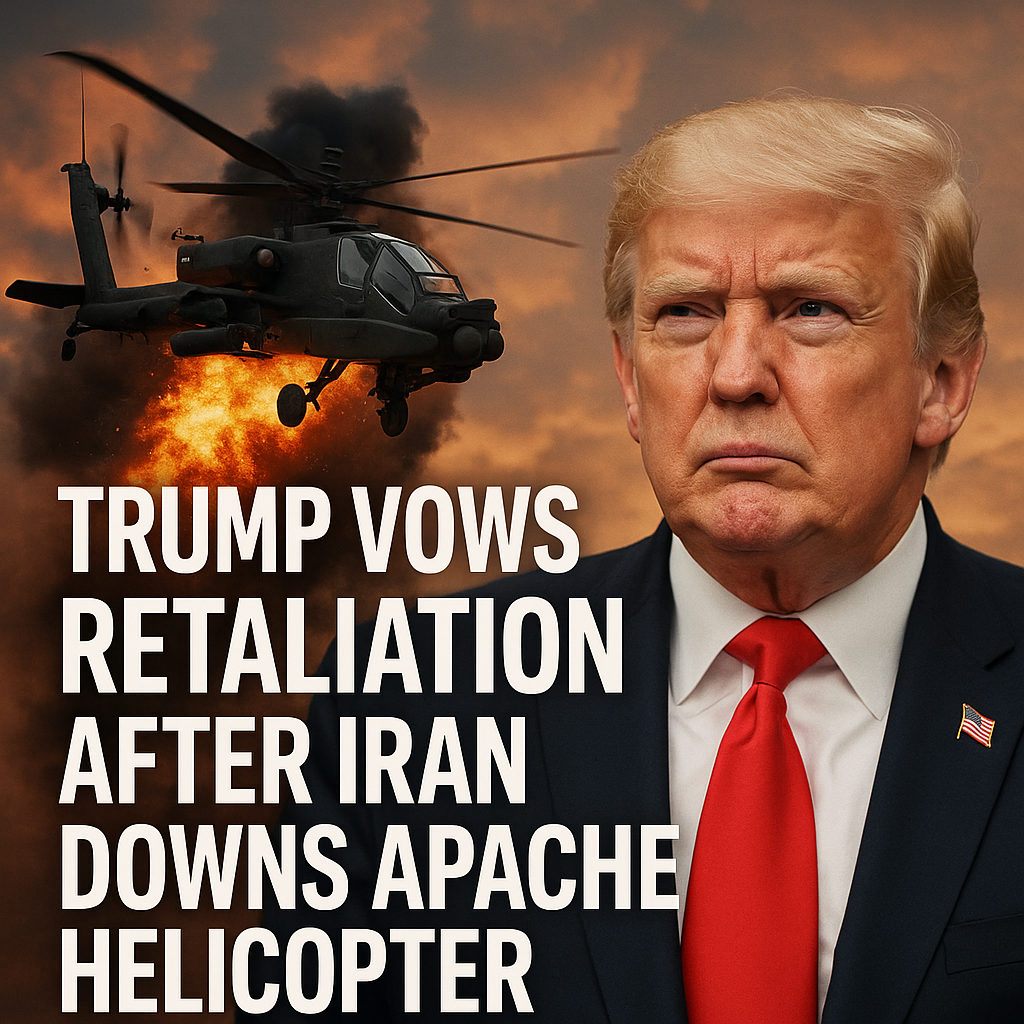
Trump Vows Retaliation After Iran Downs Apache Helicopter
Trump Vows Retaliation After Iran Downs Apache Helicopter

The recent incident involving the downing of an Apache helicopter by Iran has sparked intense reactions from various corners of the globe, not least from former President Donald Trump. His outspoken vow of retaliation adds yet another layer to the ongoing saga of U.S.-Iran relations. This topic remains complex, teetering between military strategy, domestic interests, and international diplomacy.

Context of the Incident
The downing of the Apache helicopter reportedly occurred within the context of heightened tensions between the United States and Iran. Several reports confirm that Iran claims to have acted in self-defense while challenging what they perceive as aggressive U.S. military activities in the region. According to Al Jazeera’s coverage, Iran’s military action underscores its readiness to protect its sovereignty against foreign intervention.

In statements made following the incident, Donald Trump emphasized that such actions would not be tolerated. He characterized Iran’s military activities as provocative, thereby framing the narrative for potential U.S. retaliation. Trump’s position aligns squarely with his administration’s past rhetoric, which often painted Iran as a principal antagonist in global geopolitics. This has led to a polarized discussion about the appropriate U.S. response.
Perspectives on U.S. Response
The question of how the United States should respond to Iran’s actions is vastly debated. Proponents of military retaliation argue that a decisive U.S. response is essential to deter future provocations and convey strength in foreign policy. They view any hesitation as an invitation for Iran to escalate its military activities further. From this vantage point, quick and definitive action could bolster U.S. credibility globally.
Conversely, skeptical voices caution against knee-jerk reactions. Critics argue that retaliatory measures could spiral into an unpredictable conflict, ultimately undermining regional stability. They point out that past military engagements in the Middle East have often resulted in protracted conflicts with lasting repercussions. Analysts from RT News underscore this sentiment, emphasizing the need for diplomacy over escalation, particularly given the precarious nature of U.S.-Iran relations that have often been punctuated by misunderstandings and aggressive posturing.
The Broader Implications
What is at stake goes beyond immediate military responses. The incident has the potential to alter both national and international political landscapes. The Arab Gulf states, closely allied with the U.S., may feel pressure to align their responses with Washington’s. However, their own relations with Iran complicate their position; many regional players are wary of taking sides that could compromise their own national interests.
Furthermore, Trump’s comments may also have implications for his domestic political strategy. Amid mixed approval ratings and ongoing controversy surrounding his previous administration’s foreign policy decisions, his stance could be viewed as a bid to reinforce his image as a strong leader capable of handling international threats. However, reactions to this may vary, with both supporters and critics weighing the potential costs of increased military involvement.
Navigating the Uncertainties
The complexities surrounding the U.S.-Iran relationship highlight the uncertainties in international diplomacy. While calls for retaliation resonate with a certain faction of the political landscape, the historical context reveals that military engagements can exacerbate tensions rather than resolve them. As geopolitical players carefully assess their next moves, the importance of informed, balanced discussions remains paramount.
The incident serves as a reminder that foreign policy is often about weighing immediate reactions against long-term consequences. Consensus may not emerge quickly, as the world grapples with the realities of military, diplomatic, and economic strategies in a volatile region.
In conclusion, Trump’s vow of retaliation following the downing of the Apache helicopter encapsulates a broader struggle over how to address international provocations. With opinions sharply divided on the U.S. response, it is crucial for decision-makers to consider both immediate threats and the far-reaching consequences of any military action.