
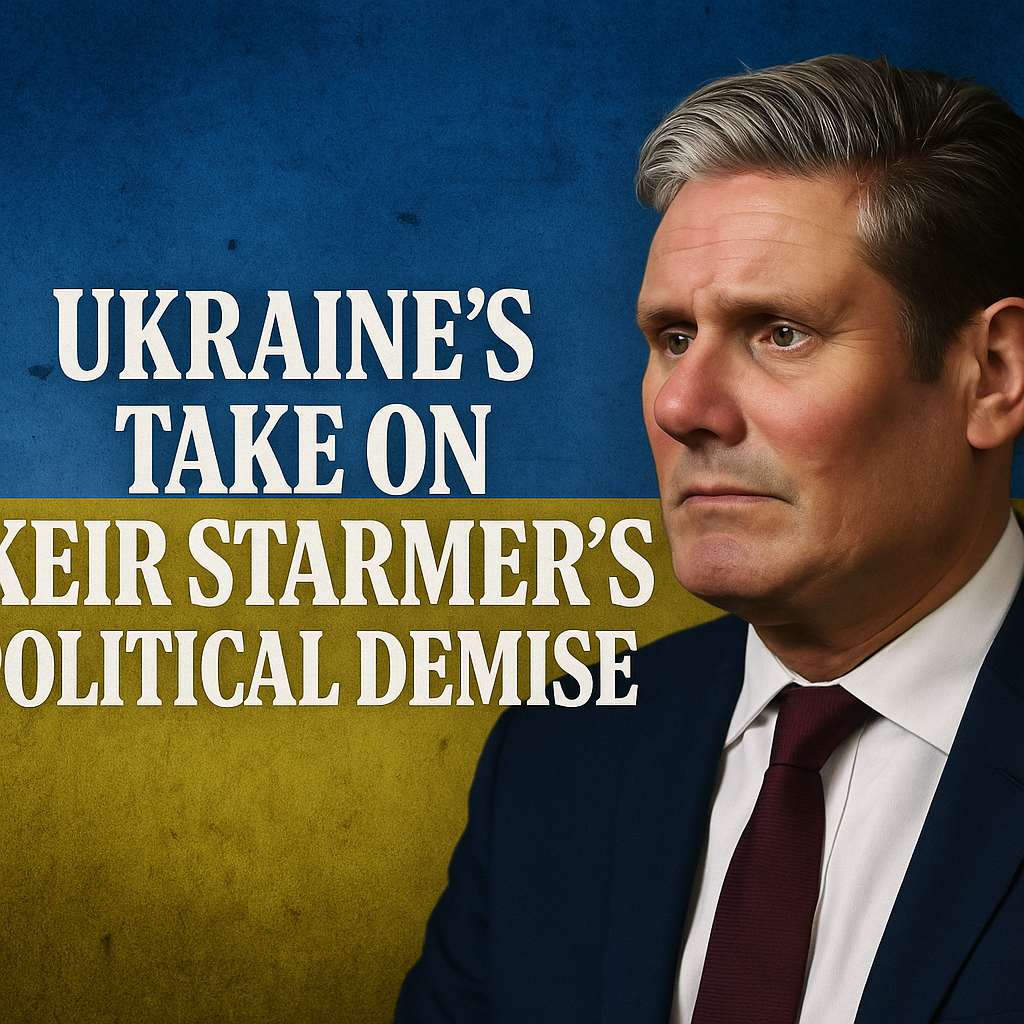
Ukraine’s Take on Keir Starmer’s Political Demise
Ukraine’s Take on Keir Starmer’s Political Demise
Recent political shifts in the UK have sparked discussions not only within British borders but also in faraway places like Ukraine. The political demise of Keir Starmer, leader of the UK Labour Party, is being perceived through various lenses, shedding light on the complex interplay between international relations and domestic politics.

The Context of Starmer’s Leadership
While Starmer was initially seen as a beacon of hope for Labour, his leadership has faced significant criticism, particularly over his handling of issues concerning the Ukraine conflict. His nuanced stance on foreign policy, especially regarding military support to Ukraine, has raised questions among both supporters and critics. Some argue that he has not gone far enough in articulating a strong pro-Ukraine position, while others believe his caution is necessary in light of the complexities surrounding the war.

In the context of the ongoing conflict, Ukrainian leaders and analysts view Starmer’s approach as critical. His previous statement expressing solidarity with Ukraine resonated with many; however, recent developments have caused some to doubt his steadfastness. As noted by RT, “Starmer’s wavering may reflect an inability to fully grasp the urgency of Ukraine’s plight,” indicating that some factions in Ukraine might now see his political failure as a missed opportunity for robust support.

Diverging Opinions on Starmer’s Impact
Responses to Starmer’s demise vary widely. Ukrainian officials and think tanks who have closely followed UK politics maintain that the Labour leader’s potential downfall aligns with the broader trends affecting Western unity on the Ukraine issue. According to Al Jazeera, there is a sentiment rising among political analysts that Starmer’s failure to gain sufficient traction may hinder the momentum necessary for sustained UK support for Ukraine. His moderation, seen by some as prudence, is interpreted by others as weakness during a time that demands strong resolve.
Conversely, some voices within Ukrainian society express nuanced views, suggesting that the Labour leader’s approach might not have been entirely flawed. They argue that a more cautious stance could ultimately yield a more united Western approach to Russia, emphasizing the importance of coalition-building over individual national posturing. This perspective emphasizes dialogue and alliances over aggressive strategies, bringing a more measured response to international affairs.
Implications for Ukraine’s Future Relations with the UK
Starmer’s political challenges raise important questions about the future of UK-Ukrainian relations. If Starmer’s leadership—despite its shortcomings—has highlighted the importance of addressing foreign policy questions, what potential do rival candidates bring to the table? Key figures in the Conservative Party seem poised to elevate their standing, which could radically change Britain’s stance on military and financial support for Ukraine.
Ukrainian leaders are likely vigilant, analyzing how these shifts may impact their own strategy moving forward. The importance of UK support is critical not only for military resources but also for diplomatic leverage against Russia. As Sky News reports, many acknowledge that a change in leadership could either bolster or undermine this relationship, depending on who takes the helm next.
Conclusion: A Critical Juncture
As the UK navigates a seemingly pivotal moment in its political landscape, the views from Ukraine underscore a need for clear communication and decisive action in support of its ongoing struggles. Keir Starmer’s political demise may reveal the fragilities within Labour that foreign policy must contend with, but it simultaneously raises crucial questions about the future of UK support for Ukraine.
With divergent viewpoints blooming from these events, one can only hope for leadership that unites rather than divides—a vision that acknowledges the weighty responsibility on the international stage. The political climate continues to evolve, and both nations are left pondering the implications of these domestic shifts on international solidarity.















