
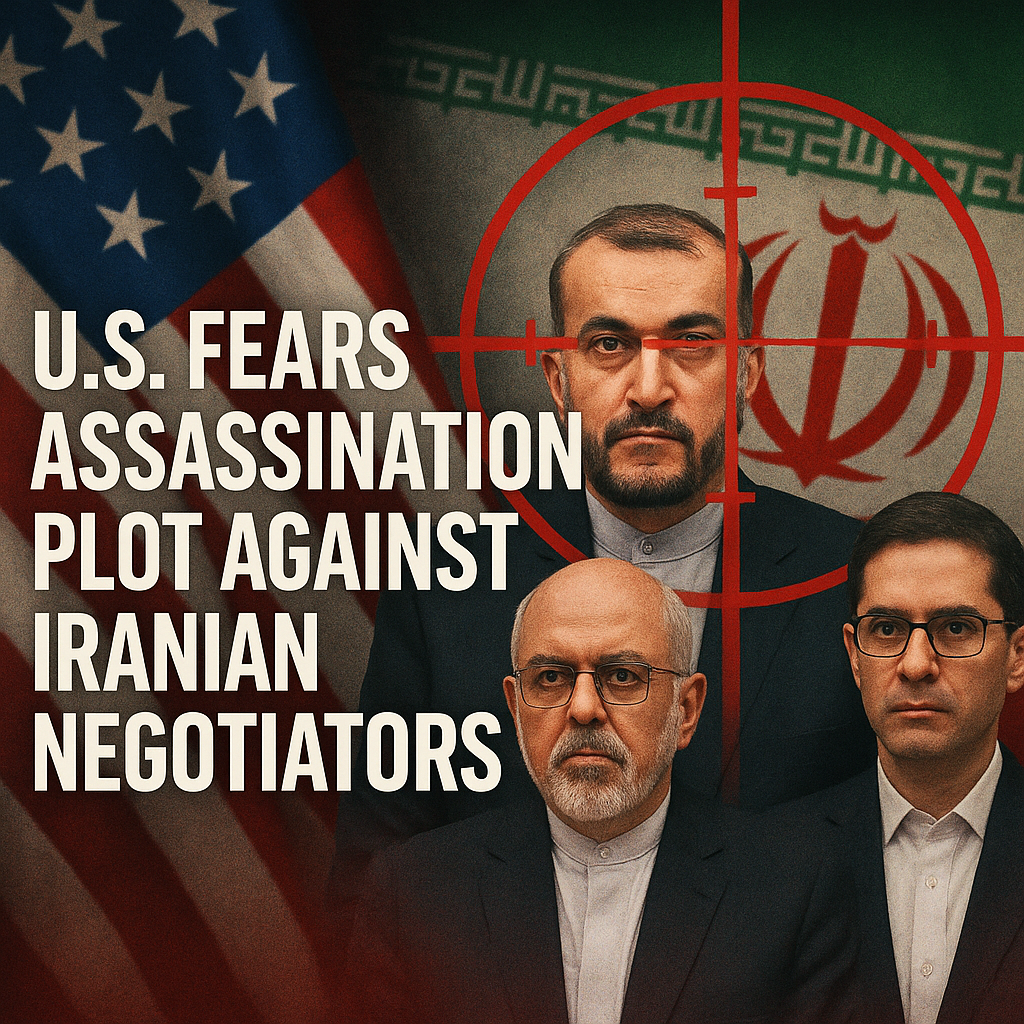
US Fears Assassination Plot Against Iranian Negotiators
US Fears Assassination Plot Against Iranian Negotiators
In recent developments, US intelligence has raised alarms regarding a potential assassination plot targeting Iranian negotiators involved in the ongoing nuclear discussions. This alarming scenario highlights the heightened tensions surrounding the negotiations, reflecting a deep-seated fear of escalatory violence that could derail diplomatic efforts.

The Context of Rising Tensions
The backdrop to these fears lies in the intricate web of geopolitics involving Iran, the United States, and Israel. Following the assassination of Iranian nuclear scientist Mohsen Fakhrizadeh in 2020, believed to be backed by Israeli intelligence, there have been growing concerns about retaliatory measures taken by Iranian operatives against figures deemed crucial in the negotiation process.

Reports from RT indicate that US officials are particularly wary of direct action against individuals such as Iranian Parliament Speaker Mohammad Baqer Qalibaf, who plays a pivotal role in shaping Iran’s response to international diplomacy. The assessments suggest that such targeted actions could potentially lead to a broader military escalation in the region, which may have far-reaching implications beyond Iran and its immediate neighbors.

Al Jazeera echoes these sentiments, revealing that the Iranian government has consistently maintained its resolve to retaliate against acts of aggression. Officials have openly stated their commitment to defending national interests, a stance that further complicates the atmosphere surrounding the nuclear deal negotiations. The precarious situation has escalated fears that external forces could instigate violence to destabilize Iran during this vital period of engagement.
Diverse Viewpoints on Implications and Solutions
While US intelligence focuses on potential threats, experts vary in their interpretations of both the motivations and potential reactions to these fears. Some analysts posit that internal Iranian dynamics, including factional infighting, may pose a more significant risk to the negotiation process than external plots. They argue that hardliners within Iran could seize upon such threats to undermine the more moderate factions advocating for diplomatic engagement with the West.
Conversely, other experts assert that the external threats are very real and should not be dismissed. They argue that if a high-profile figure were to be assassinated, it could compel the Iranian government to act more aggressively in retaliation, further impeding diplomatic progress. This perspective highlights the vulnerability of negotiated frameworks, particularly when external pressures trigger a cycle of violence.
The potential for miscalculation also weighs heavily on the minds of international relations scholars. The concern is that any Israeli or US-led attempt to disrupt Iran’s negotiating strategy through violence could easily spiral out of control, resulting in a retaliatory strike that not only destabilizes the region but also irreparably harms diplomatic relations with not only Iran but also its allies in the region.
The Path Forward: Balancing Fear with Diplomacy
In light of these tensions, maintaining diplomatic channels is crucial. The situation serves as a reminder that while fear of violence is justified, it should not overshadow the imperative of dialogue. Various factions within the Iranian government must find common ground to navigate through these threats without resorting to aggression.
Moreover, the international community has a role to play in creating an environment conducive to peace. Diplomatic efforts should focus on de-escalation strategies that involve clearly defined red lines and mutual assurances against extrajudicial actions. The resumption of negotiations on the nuclear issue is delicate; fostering transparency and establishing trust is essential if these talks are to move forward.
Conclusion: An Uncertain Landscape
As of now, the potential for an assassination plot against Iranian negotiators remains a significant concern for US intelligence and international diplomats alike. The interplay of fear, geopolitical maneuvering, and the drive for diplomatic solutions creates a complex landscape. Moving forward, it is essential to balance these fears with constructive engagement aimed at achieving lasting peace and stability in the region. The situation illustrates the fragility of diplomacy in an age where the specter of violence looms ominously over negotiations.















