Trump Slams NATO Allies for Weak Iran Conflict Support
Trump Slams NATO Allies for Weak Iran Conflict Support
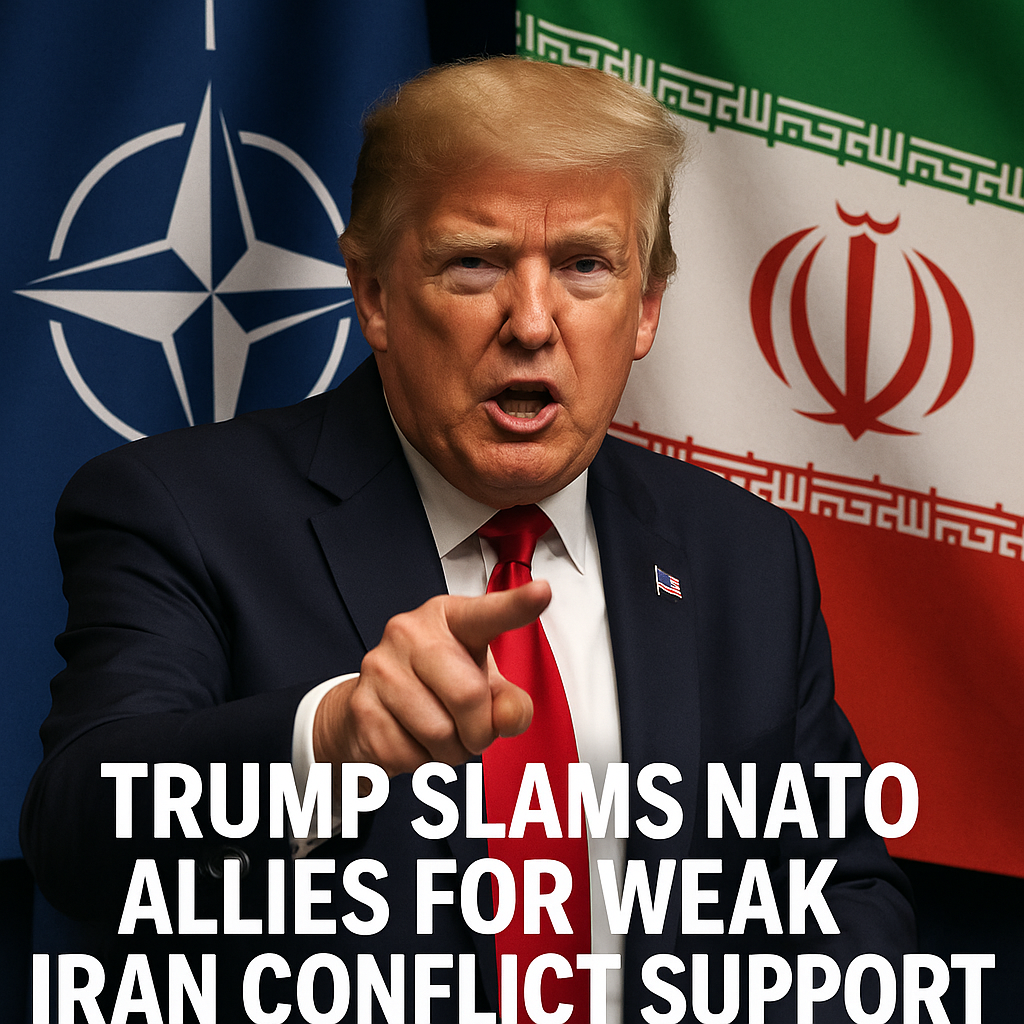
In a recent series of statements, former President Donald Trump has sharply criticized NATO allies for their perceived lack of support regarding the escalating tensions with Iran. This criticism underscores the ongoing complexities within international relations, especially concerning collective security commitments and geopolitical strategies.

Fragmented Support Among NATO Allies
Trump’s remarks highlight a notable divide among NATO countries regarding their stance on Iran. While Trump himself has adopted a hardline approach against Tehran, emphasizing military preparedness and economic sanctions, several NATO allies have taken a more cautious approach. Countries like France and Germany advocate for diplomatic solutions, often casting doubt on the effectiveness of military action or further sanctions. According to Al Jazeera, Trump’s frustration stems from what he perceives as a failure of NATO partners to align with U.S. interests, particularly in light of rising tensions following incidents involving Iranian nuclear capabilities and regional aggressions.

Contrastingly, some sources suggest that not all NATO allies share Trump’s urgency in responding to Iran. For example, an analysis from RT notes that many member states prioritize diplomatic channels over military confrontations, reflecting their different historical relationships and strategic calculations concerning Iran. This divergence has further complicated NATO’s unified stance, causing friction among allies that historically have aligned more closely.

The Implications of Disunity
The implications of this disunity within NATO could be significant, particularly as geopolitical tensions rise not only with Iran but also in other areas like Eastern Europe and Asia. Sky News points out that an effective NATO response requires consensus among member states. When allies diverge on key issues like Iran, it can send mixed signals to adversaries and weaken the alliance’s collective deterrence capacity.
Moreover, Trump’s vocal criticisms might be seen as an attempt to galvanize support for his foreign policy views, which often favor a more militaristic approach. By highlighting NATO’s shortcomings, he positions himself as a staunch advocate for a more aggressive stance against Iran, appealing to his political base that favors a strong national defense.
The Complexity of International Diplomacy
The debate around NATO’s response to Iran encapsulates the broader challenges of international diplomacy in a multi-polar world. On one hand, a cohesive NATO stance could bolster deterrence against Iran, potentially averting conflict through a unified front. On the other hand, rushing into military solutions may exacerbate tensions and lead to unintended consequences, such as heightened regional instability.
This complexity is reflected in varying perspectives within NATO. Countries like Italy and Spain have signaled a willingness to cooperate on intelligence and security issues related to Iran but remain firm in their preference for diplomatic engagement. The delicate balance of power within the alliance necessitates careful navigation to avoid creating further rifts among members.
Concluding Thoughts
Trump’s criticism of NATO allies’ support—or lack thereof—regarding the Iran conflict not only highlights the fractures within the alliance but also sparks a larger discussion about the future of collective defense strategies. As geopolitical landscapes shift and new threats emerge, the need for a cohesive and adaptable NATO may be more pressing than ever.
As this situation develops, it remains crucial for NATO to engage in open dialogue, ensuring that diverse viewpoints are heard and considered. While unity is essential, accommodating the unique security concerns and strategic interests of all members could ultimately strengthen the alliance’s effectiveness in addressing threats like those posed by Iran. Balancing military readiness with diplomatic overtures will play a critical role in navigating these complex international waters.