
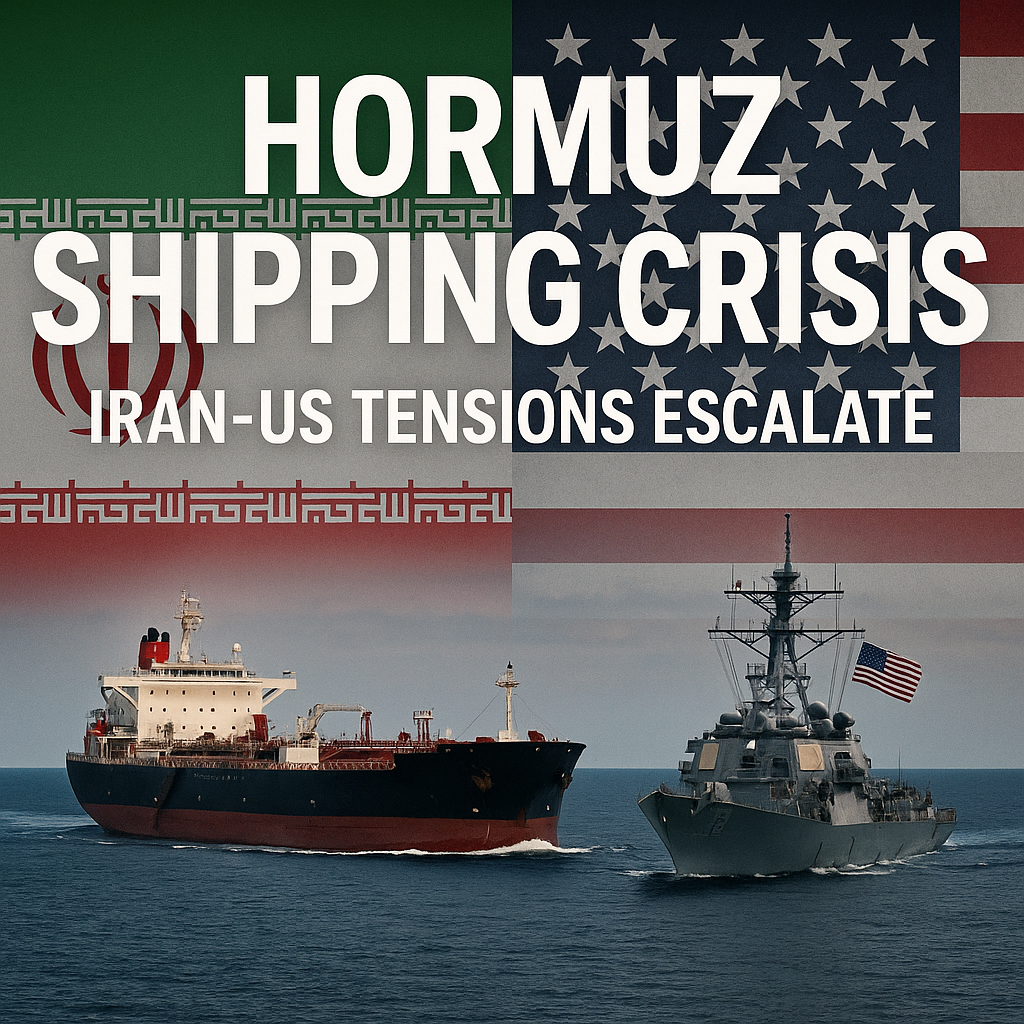
Hormuz Shipping Crisis: Iran-US Tensions Escalate
As tensions between Iran and the United States escalate, the Hormuz shipping crisis becomes a focal point for international attention, raising alarms over maritime security in one of the world’s busiest waterways. The Strait of Hormuz, a narrow passage that connects the Persian Gulf to the Arabian Sea, serves as a critical transit route for approximately 20% of global oil shipments. The significance of this strait, coupled with the ongoing geopolitical conflicts in the region, makes the current standoff particularly perilous.

Growing Tensions and Threats
Recent incidents in the region illustrate the increasing volatility. Reports indicate that Iranian naval forces have ramped up their patrols and assertive actions against various vessels, which they claim are in violation of Iranian territorial waters. According to Al Jazeera, video footage has surfaced showing Iranian ships warning foreign cargo vessels to divert their paths. Iran’s actions have been framed as a protective measure against perceived threats from U.S. military presence in the region.

Conversely, the U.S. has responded by reinforcing its naval deployments to maintain freedom of navigation in the Strait. High-ranking U.S. officials have expressed a readiness to counteract any aggressive maneuvers from Iran, citing a commitment to protecting international shipping interests. As one Pentagon spokesperson emphasized, “Our message is clear: we will not tolerate threats to freedom of navigation.”

Divergent Perspectives on the Crisis
The Hormuz shipping crisis highlights the starkly different narratives surrounding these escalating tensions. On one hand, Iranian leaders view their military actions as sovereign rights to defend national interests. They argue that the U.S. presence is an infringement on their country’s rights and a destabilizing force in the region. More fiery rhetoric from Iranian officials has suggested that any disruptions to their operations could result in retaliatory strikes against U.S. interests.
On the other hand, many analysts contend that Iranian behavior is rooted in a pattern of intimidation aimed at gaining leverage in ongoing negotiations over its nuclear program. A report from RT notes that some regional experts believe Tehran’s provocations serve dual purposes: strengthening domestic support amidst internal crises and reasserting its influence in diluted post-sanctions negotiations.
Implications for Global Shipping and Oil Prices
The ramifications of the Hormuz shipping crisis extend far beyond the immediate region, impacting global oil prices and supply chains. Tensions in the strait have historically led to spikes in oil prices, as markets react nervously to any instability that could disrupt supply lines. According to data from Sky News, even minor incidents in this region can have significant effects on global oil benchmarks.
Experts warn that any sustained conflict could force shipping companies to adjust routes, resulting in increased shipping costs and further strain on already stressed supply chains. A move towards longer routes would not only impact profitability for shipping companies but also ripple throughout the global market, exacerbating inflationary pressures in various economies heavily reliant on oil imports.
The Path Forward
Amid these mounting tensions, the international community watches closely, calling for de-escalation and dialogue. While diplomatic channels remain tenuous, there are hopes that regional cooperation could pave the way for greater security assurances. Some analysts suggest initiatives aimed at establishing maritime security coalitions could help mitigate risks in strategic waterways like the Strait of Hormuz.
However, navigating this crisis requires delicate balancing acts from all parties involved. The potential for misunderstandings or miscalculations remains high, and without concerted efforts toward diplomacy, the risk of unintended escalation remains very real.
As the situation continues to unfold, it encapsulates the complexities of modern geopolitical conflicts, where national interests, economic considerations, and regional stability intersect dramatically. The road ahead will necessitate not only vigilance but a willingness to engage in dialogue to navigate the choppy waters of international relations in the ever-strategic Strait of Hormuz.















