Ro Khanna Details Harassment by Israeli Settlers

Harassment Allegations: Ro Khanna’s Experience with Israeli Settlers
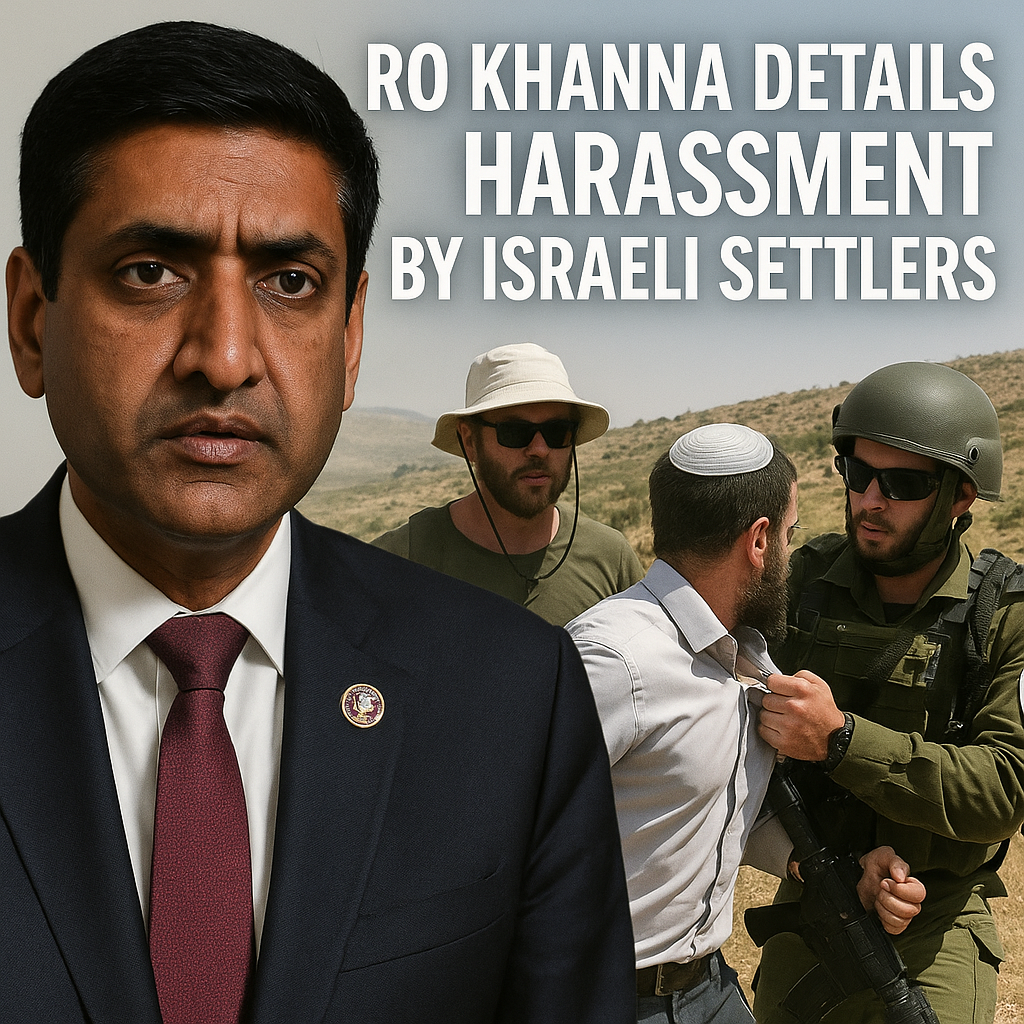
Recent events have shed light on the harassment faced by U.S. Representative Ro Khanna while visiting the West Bank, highlighting the complex dynamics that characterize the Israeli-Palestinian conflict. During an interview, Khanna detailed his experience with Israeli settlers who confronted him during his visit to a Palestinian village. This incident not only raises questions about civil rights but also reflects the broader issues of occupation and settlement in the region.

Settlers’ Behavior: A Reflection of Tensions
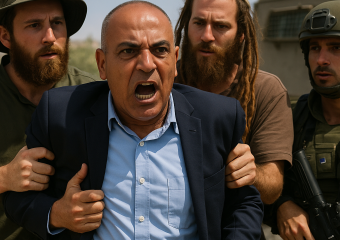
The confrontation that Khanna faced exemplifies the ongoing tensions between Israeli settlers and Palestinians in the West Bank. In his interview, Khanna described feeling threatened, noting that the settlers accused him of being anti-Semitic for expressing solidarity with Palestinian rights. This scenario is not an isolated incident but part of a pattern of hostility faced by politicians and activists who support Palestinian rights.


The behavior of settlers can often be interpreted as a reflection of the considerable polarization existing within Israel regarding the occupation. According to opinions presented by various commentators, some argue that such confrontations serve to silence dissenting voices against the state policy, with intimidation tactics being employed to uphold the status quo. Proponents of a more inclusive approach argue that it is crucial for political figures like Khanna to engage in open dialogues without fear of harassment.


The Broader Context: Civil Rights and International Relations
Khanna’s experience is emblematic of the broader human rights concerns that arise from the Israeli occupation of Palestinian territories. The situation has prompted international scrutiny, particularly as voices from various human rights organizations question the legality of the settlements and the treatment of Palestinians.
News outlets reporting on this incident highlight the urgent need for recognition of civil rights in the region. As Khanna pointed out, such harassment not only silences individual politicians but also perpetuates a culture that discourages constructive dialogue about peace and justice. It underscores the complex interplay between U.S. politics and its foreign policy regarding Israel and Palestine, particularly among American lawmakers who wish to advocate for both Israeli security and Palestinian rights.
The bipartisan support that Israel has historically enjoyed in the U.S. Congress complicates discussions about these events. While many politicians align with the Israeli government’s perspective, a growing subset, including Khanna, argues for a balanced approach that prioritizes human rights. This shift in sentiment is crucial for future policy-making and can impact international relations moving forward.
Navigating Diverse Voices
Opinions on how Khanna’s experience should be interpreted vary widely. Supporters laud his courage for speaking out against the harassment and advocating for Palestinian rights, viewing him as a progressive voice in a predominantly pro-Israel political landscape. Critics, however, dismiss his experiences, framing them as part of a broader narrative bent on delegitimizing Israel’s right to exist and live in security.
The divide in perceptions showcases a longstanding rift in U.S.-Middle East relations, often characterized by starkly different views on the Israeli-Palestinian issue. This polarization complicates any potential solutions and creates an environment where incidents like Khanna’s confrontation become more common as opposing narratives clash.
Conclusion: The Need for Open Discourse
Ro Khanna’s encounter with Israeli settlers serves as both a cautionary tale and a rallying cry for those advocating for a just peace in the region. His experience underscores the potential risks associated with standing up for civil rights amid a contentious backdrop.
As the dialogue continues, it becomes essential to foster an environment where elected officials can express their views without intimidation, and where civil discourse can thrive. Without addressing the underlying issues of harassment and occupation, reaching a lasting peace will remain elusive.