
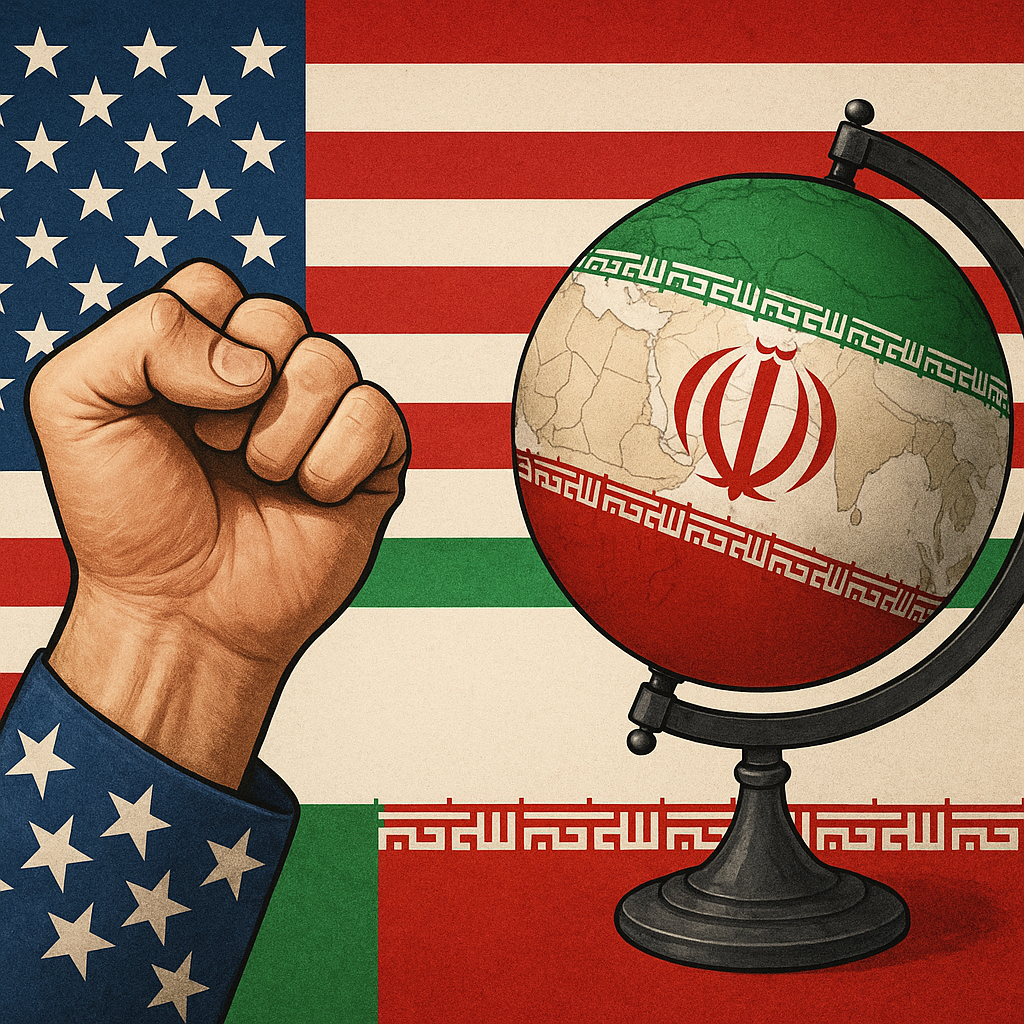
Washington Must Acknowledge Iran as a Major Regional Power
Washington Must Acknowledge Iran as a Major Regional Power
The geopolitical landscape of the Middle East has been anything but stable, with a complex interplay of power dynamics defining regional relationships. Amid this backdrop, the notion that Washington should recognize Iran as a significant regional player has gained traction. This acknowledgment could reshape U.S. foreign policy and diplomatic strategies in the area.

The Shift in Perception
For decades, Iran has been viewed primarily through a lens of animosity and suspicion in American politics. The repercussions of the 1979 Iran hostage crisis, the subsequent sanctions, and military conflicts have fostered a narrative that positions Iran as a destabilizing force. However, recent analyses indicate a significant shift in the balance of power in the region, compelling experts and political analysts to argue for a reassessment of Iran’s role.

According to a report from RT, there is an emerging consensus among scholars and policy advisors that Iran wields considerable influence in key areas, including Iraq, Syria, and Lebanon. This influence suggests that Iran is not merely a disruptor but a critical player in regional stability. The reality is that any genuine understanding of Middle Eastern affairs must account for Iran’s extensive political and military engagements across these nations.

Iran’s Role as a Regional Power
Iran’s involvement in Iraq, particularly since the U.S. invasion in 2003, underscores its growing influence. The vacuum left by the destabilization of Iraq allowed Iran to cultivate strong ties with various Shia factions, filling roles that were once occupied by U.S. forces. Additionally, Iran’s support for the Assad regime during the Syrian Civil War further signifies its capability to project military power effectively beyond its borders.
– Influence in Iraq and Lebanon: Iran’s relationship with groups such as Hezbollah in Lebanon and the various Shia militias in Iraq has expanded its reach significantly. These alliances enable Iran not just to influence local politics but to challenge U.S. interests directly.
– Regional Alliances: Iran has also pursued alliances with other regional powers, including Syria and Russia. This coalition serves to bolster its standing while countering U.S. and Gulf Arab influence, especially in the context of ongoing conflicts in Syria and Yemen.
While these developments portray Iran as a resilient state actor, they also present challenges for the U.S. and its allies. Critics point out that Washington’s failure to acknowledge Iran’s regional significance has led to ineffective policies that often exacerbate conflicts rather than resolve them.
Contrasting Opinions on Acknowledgment
Despite the emerging consensus on Iran’s role, opinions remain divided on how the U.S. should approach diplomatic relations with Tehran. Proponents of recognizing Iran’s influence argue that it could facilitate more constructive dialogue. Al Jazeera reports that some analysts believe engagement, rather than isolation, could lead to better regional stability. This includes potential avenues for negotiations on issues ranging from nuclear capabilities to support for militant groups.
Conversely, others maintain that acknowledging Iran as a major power could embolden its regional ambitions and provoke further destabilization. Policymakers aligned with Israel and certain Gulf states express concerns that such recognition could hinder U.S. efforts to counter Iranian influence. They argue that it is essential to maintain a robust stance against any actions that could contribute to Iran’s regional dominance.
The Path Forward
In light of these contrasting viewpoints, Washington faces a pivotal decision. Should it continue on its established path of isolation and pressure, or embrace a new strategy that acknowledges Iran’s significant role? The implications of either choice are profound, not just for U.S. interests but for the stability of the entire Middle East.
– Constructive Engagement: This approach would involve negotiating openly with Iran, possibly leading to agreements that mitigate tensions and promote regional stability.
– Continued Isolation: Alternatively, maintaining a hardline stance could further entrench Iran’s adversarial relationships and complicate any chances for diplomacy.
As debates continue, one thing is clear: ignoring Iran’s status as a regional power will likely lead to miscalculations, further complications, and potentially escalated conflict. Washington must grapple with the complex realities on the ground if it hopes to forge an effective and sustainable Middle Eastern policy.
In conclusion, recognizing Iran’s influence is not merely about acknowledging its power but also connecting with the broader narrative of regional politics. Understanding this complexity is crucial for any future U.S. foreign policy that aspires to achieve long-term peace and stability in the Middle East.















