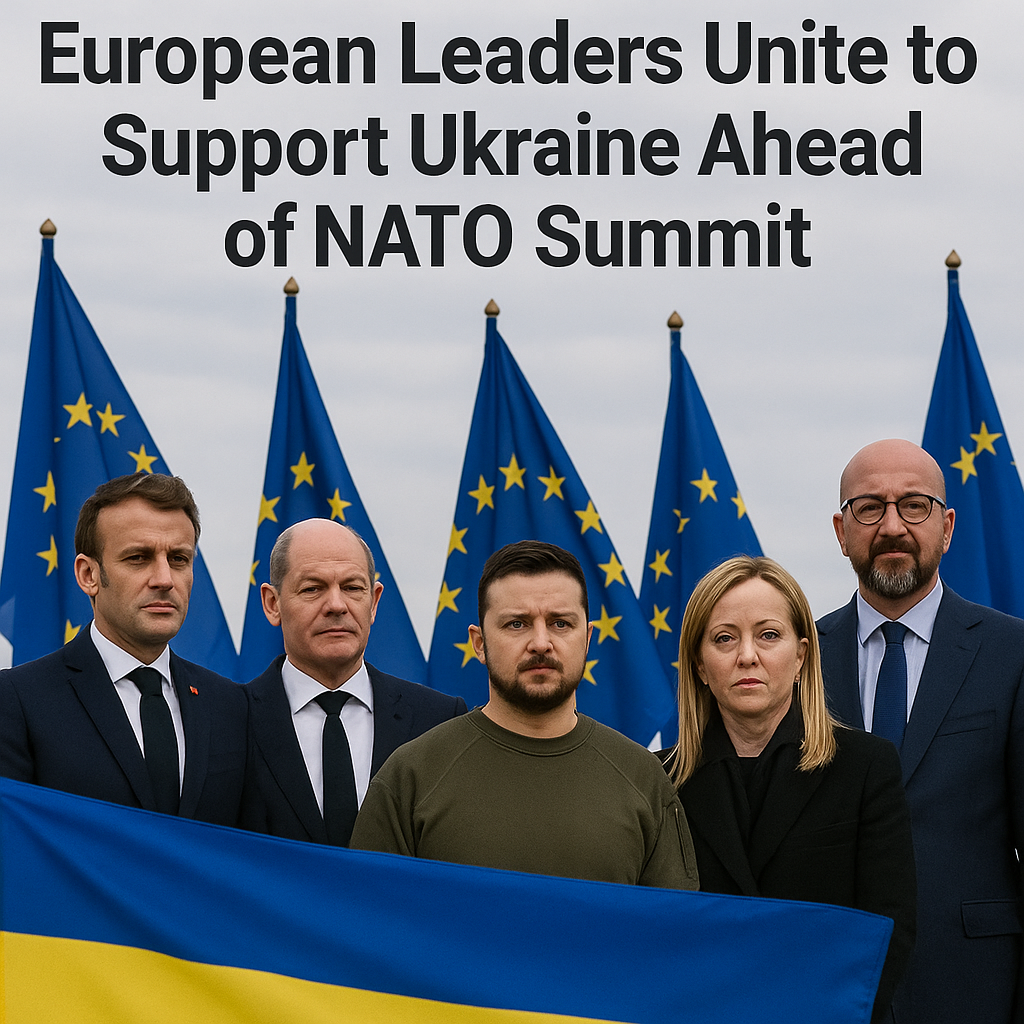
European leaders are coming together in a powerful show of solidarity for Ukraine ahead of the NATO Summit, emphasizing their unwavering commitment to provide both military and humanitarian support during these critical times. As tensions rise, this united front signals a bold response against aggression and a pledge to safeguard European security.
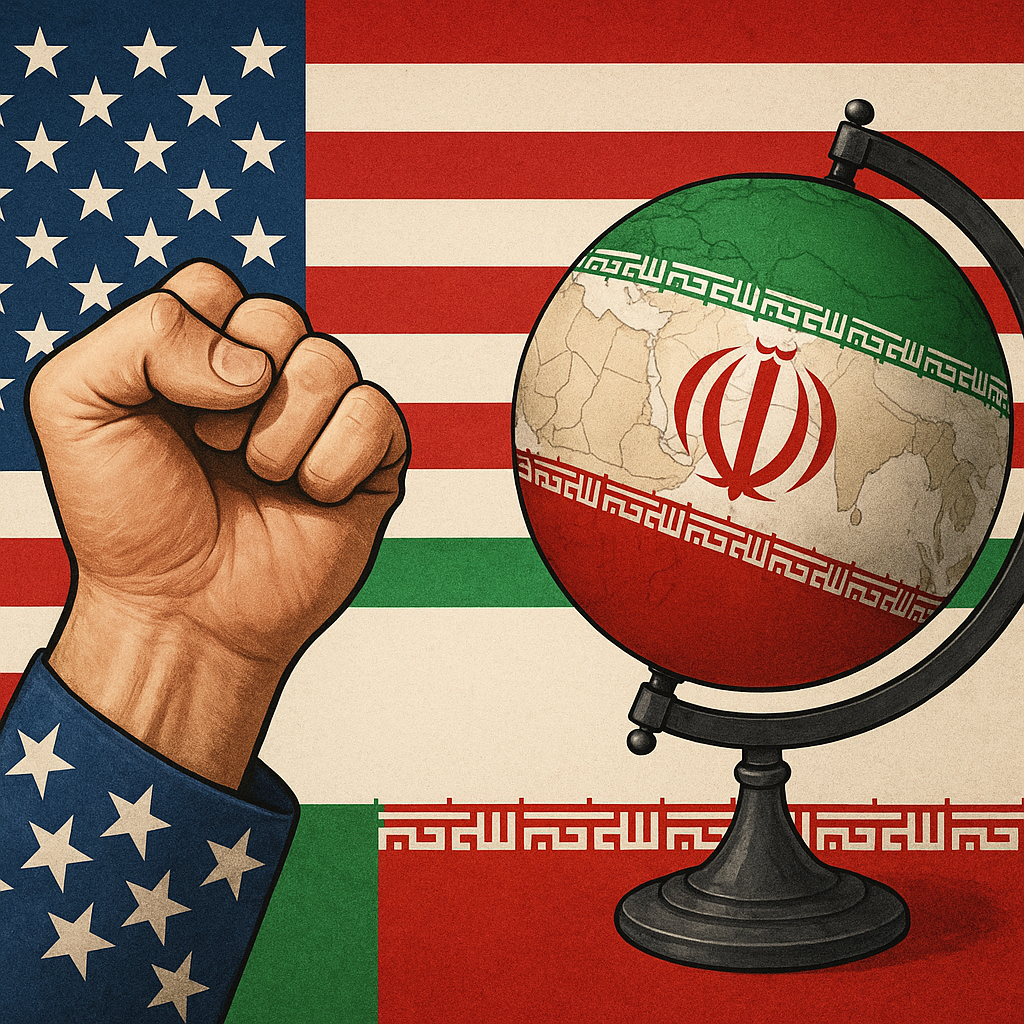
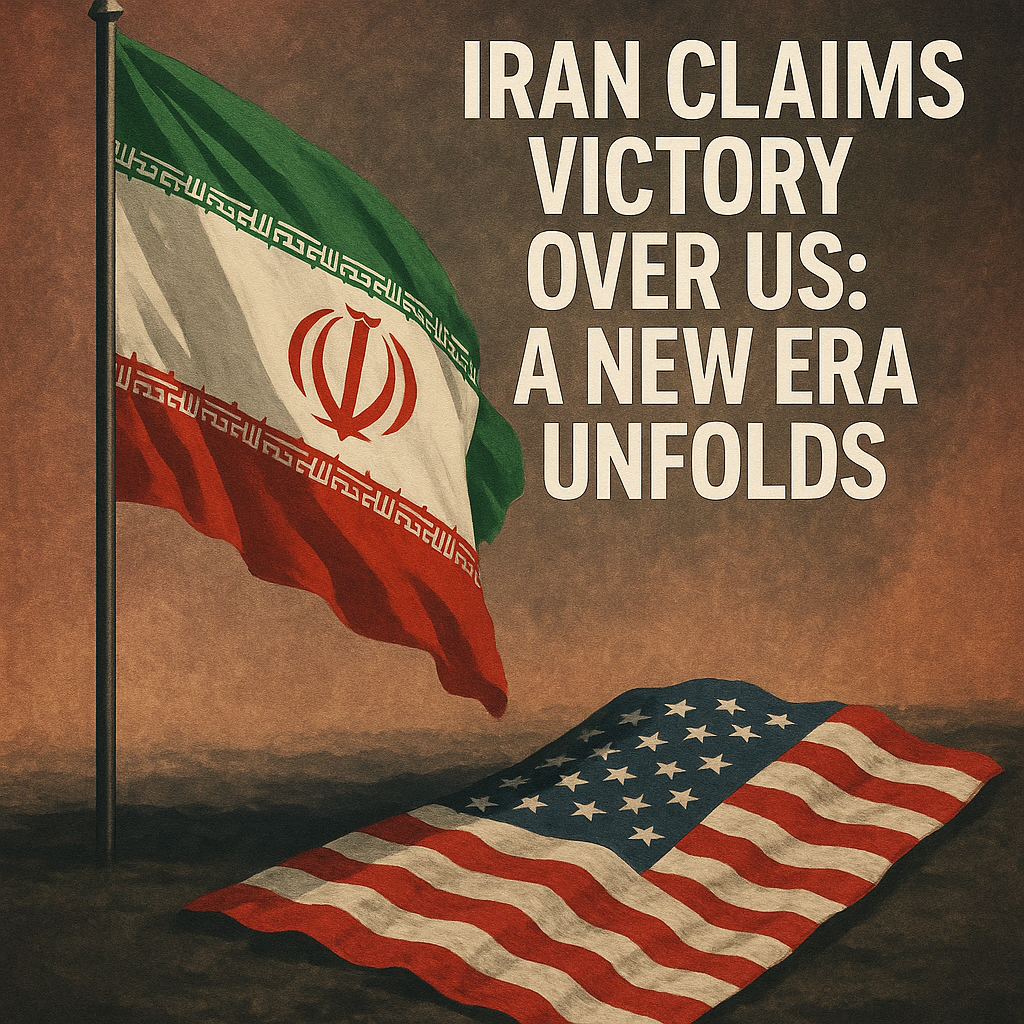
Iran is declaring victory over the U.S., signaling a potential shift in global power dynamics. As the debate heats up among analysts, what does this mean for the future of international relations?
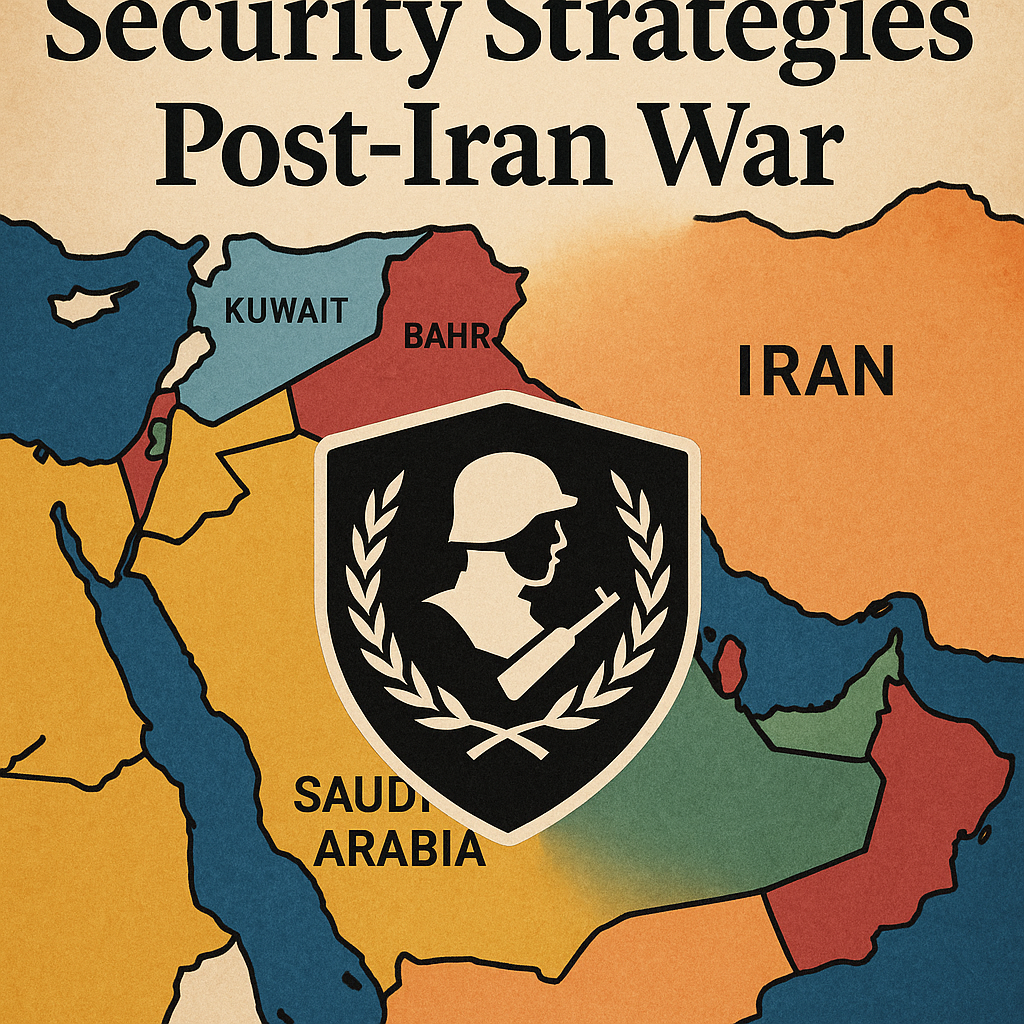
In the aftermath of the Iran War, Gulf nations are at a crossroads, redefining their collective security strategies to boost stability and foster cooperation. As they embrace a more autonomous approach, balancing military readiness with diplomatic efforts, the region is poised for a transformative shift in its geopolitical landscape.
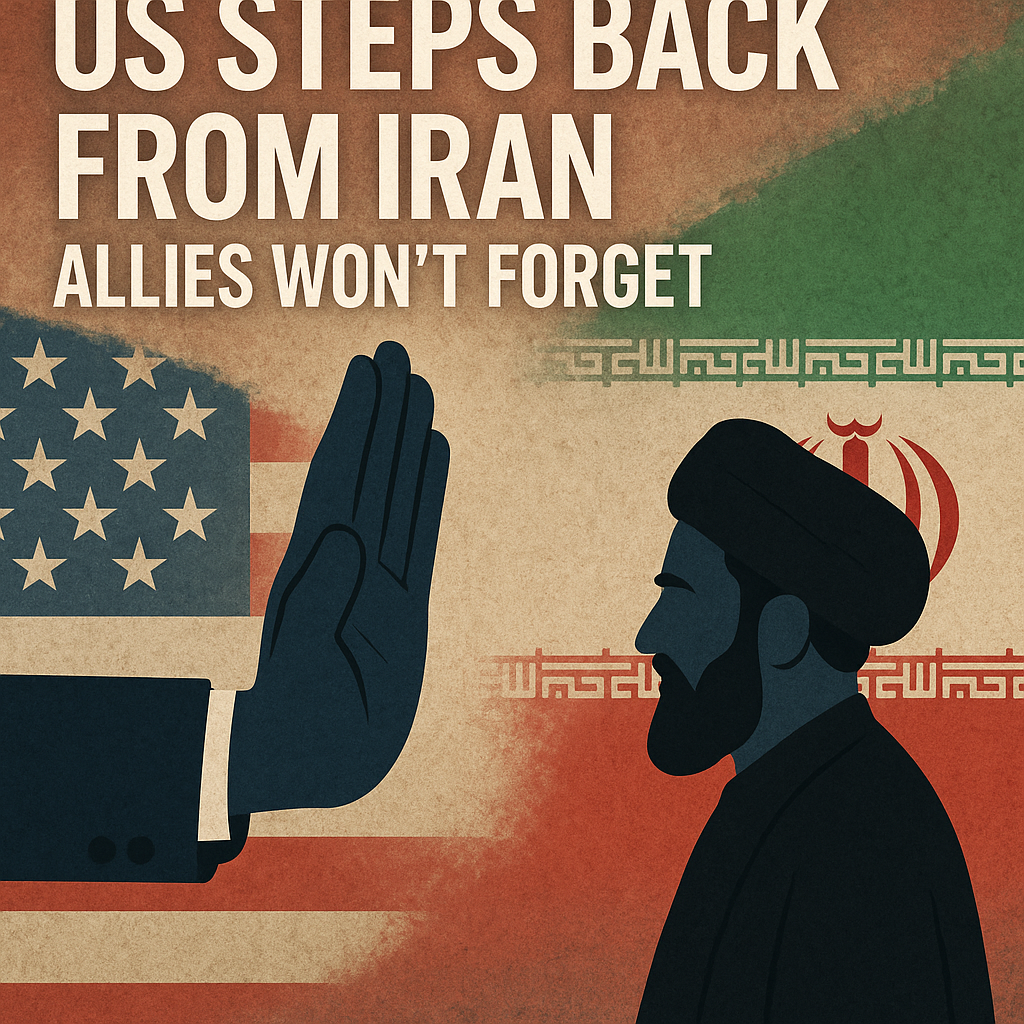
As the U.S. steps back from its role in Iran, a wave of re-evaluation is sweeping through its Middle Eastern allies—who may no longer take American leadership for granted. The shifting dynamics could reshape alliances, with nations like Saudi Arabia and the UAE actively seeking their own diplomatic avenues, highlighting a new chapter in regional strategy.