
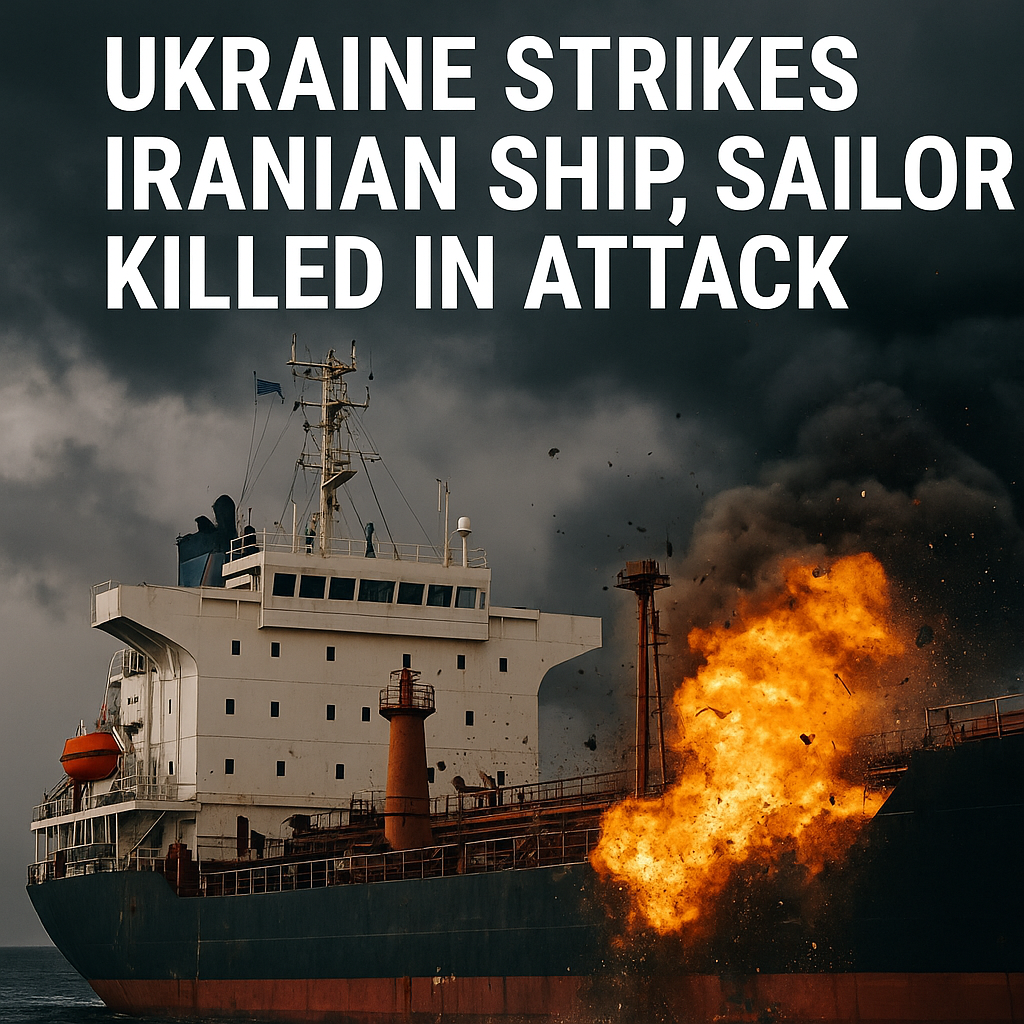
Ukraine Strikes Iranian Ship, Sailor Killed in Attack
Ukraine Strikes Iranian Ship: A Complex Response to Regional Tensions
In a significant escalation of military action, Ukraine has launched an attack on an Iranian vessel, resulting in the tragic death of a sailor. This incident not only highlights the ongoing tensions in the region but also raises questions about the broader implications it may have for international relations and maritime security.

Context of the Attack
The attack on the Iranian ship, which occurred in the Black Sea, reflects the evolving dynamics of the ongoing conflict. Reports suggest that Ukrainian forces targeted the ship as a deterrent against perceived Iranian support for Russia. This aligns with Ukraine’s broader strategy to weaken the logistical and material support that its adversaries can harness in the conflict. The geopolitical landscape has been shifting, and countries involved are increasingly asserting their interests, often through naval confrontations.

In the aftermath of the strike, reactions have been varied. Iranian officials condemned the attack, labeling it as an act of aggression that could further destabilize the region. Al Jazeera reported that the Iranian government vowed to respond decisively, not only to protect its maritime interests but also in defense of its national sovereignty. This response underscores the delicate balance of power and the potential for wider conflict, should nations feel compelled to retaliate for perceived slights.

Implications of the Attack
To fully understand the implications of Ukraine striking an Iranian vessel, it is essential to consider several factors:
– Diplomatic Fallout: The incident complicates diplomatic relations in an already fraught geopolitical atmosphere. Iran has historically been an ally of Russia, which may lead to heightened tensions between Tehran and Kyiv. Analysts speculate that this move could drive Iran closer to Russia as they firm up their military and strategic alliances.
– Maritime Security: This act raises concerns about the safety of maritime operations in the Black Sea, which is already a hotspot for military engagements between Ukraine and Russia. With increased military presence and activity in these waters, shipping routes may become more vulnerable, potentially impacting global trade.
– International Reactions: Global reaction to the attack has been mixed. Some Western allies of Ukraine might interpret the strike as a necessary tactic in the fight against Russian aggression, while others may worry about the escalation of conflict in a region where several nations have vested interests. The ramifications of this attack may prompt a reevaluation of military strategies among various countries involved, particularly as tensions escalate.
Divergent Perspectives on the Conflict
While the narratives surrounding the attack largely revolve around national defense and retaliation, there are contrasting viewpoints regarding the merits and risks associated with such aggressive military strategies. Some analysts argue that Ukraine’s actions are justified as a response to Iranian support for Russia, framing it as a necessary step for self-defense. According to RT, this viewpoint emphasizes a proactive stance, allowing Ukraine to disrupt enemy logistics before they can materialize significantly.
Conversely, critics of the strike caution against overextending military actions that could lead to unintended consequences. Drawing parallels with previous regional conflicts, they voice concerns regarding a spiraling cycle of violence that could embroil other nations and complicate the already tense global political atmosphere. This perspective advocates for diplomatic channels rather than military engagement, emphasizing a preference for avoiding escalation.
Conclusion: Navigating a Complex Geopolitical Landscape
The attack on the Iranian vessel by Ukrainian forces is emblematic of the fraught and dynamic nature of contemporary geopolitics. With the death of a sailor adding a deeply personal tragedy to the conflict, the incident underscores the human cost of geopolitical maneuvers.
As countries react and recalibrate their strategies in light of these developments, it remains essential for global powers to weigh the risks of escalation against the imperatives of national security. The incident serves as a reminder of the fragile nature of peace and stability in regions marked by longstanding tensions, highlighting the necessity for ongoing dialogue amidst military confrontations.















