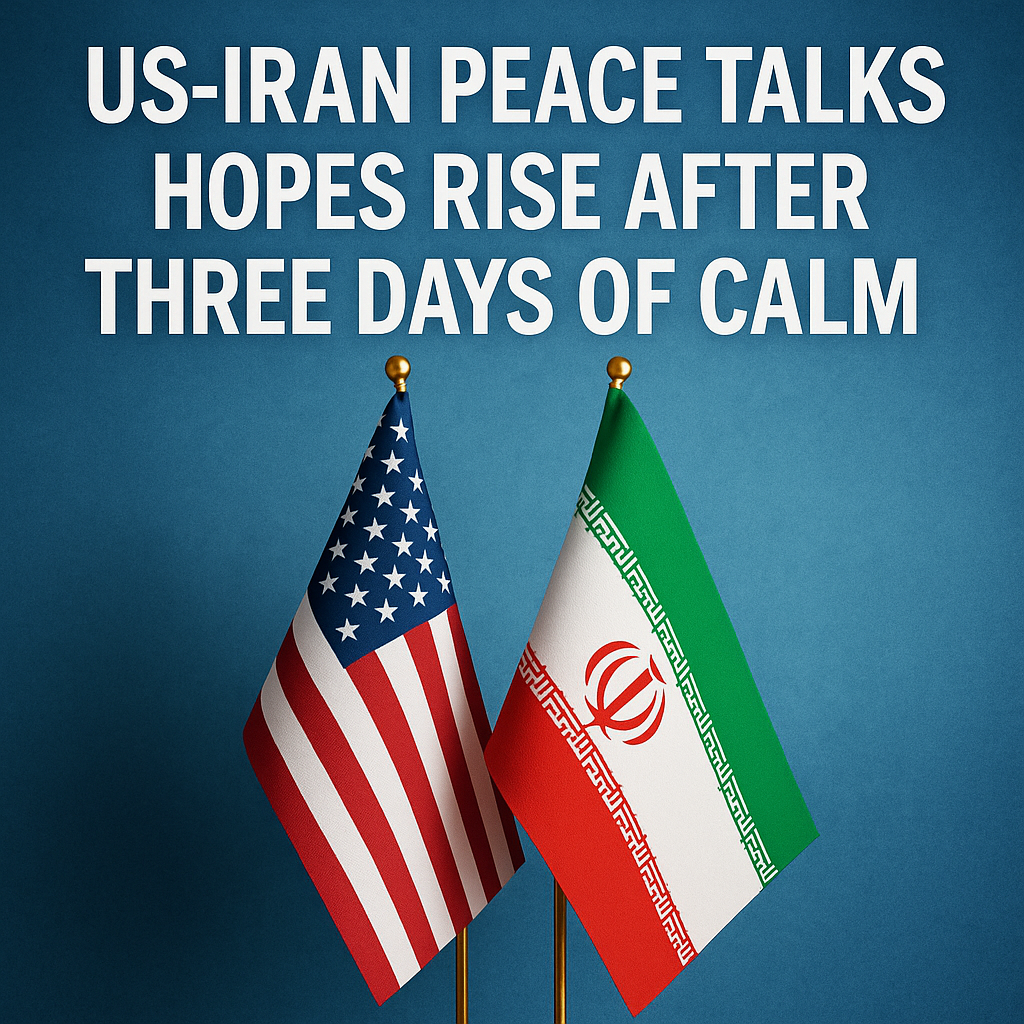
US-Iran Peace Talks: Hopes Rise After Three Days of Calm

US-Iran Peace Talks: A Glimmer of Hope After Three Days of Calm
In recent days, a newfound tranquility between the US and Iran has sparked discussions about the potential for diplomatic progress in a relationship long marked by tension. After three days without reported hostilities or military activity, analysts and officials are cautiously optimistic about the prospects for renewed dialogue.

Context of the Recent Calm
The cessation of aggressive actions follows a series of escalating events that had previously strained relations between Washington and Tehran. This calm comes as new diplomatic overtures have emerged, with officials hinting at the possibility of resuming talks regarding Iran’s nuclear program and regional influence.


According to a report from Al Jazeera, this temporary ceasefire has generated discussions in both nations about moving toward more substantive negotiations. The situation holds significance not only for American and Iranian interests but also for broader regional stability in the Middle East. The enthusiasm for a détente, however, is tempered by the historical complexities that have characterized US-Iran relations, making it essential to assess both optimistic and skeptical viewpoints.

Diverse Perspectives on Diplomacy
From one perspective, the current lull in hostilities is seen as a crucial moment that could pave the way for meaningful discussions. Proponents believe that negotiations are essential for long-term peace, particularly in connection to larger issues such as Iran’s nuclear ambitions and its activities in neighboring countries. The potential for diplomatic engagement suggests that both sides may realize that continued confrontation could detrimentally impact vital national interests.
On the other hand, some experts urge caution, highlighting that mere calm does not automatically translate into readiness for negotiations. A report from RT underscores this skepticism, citing previous instances where similar periods of quiet were followed by renewed hostilities. Critics argue that the underlying issues—such as sanctions, military confrontations, and ideological divides—remain unresolved and could reactivate tensions at any moment.
The Role of Regional and Global Stakes
Another layer that complicates the dialogue between the US and Iran is the involvement of other regional players, such as Saudi Arabia and Israel, along with major global powers like China and Russia. These nations have vested interests in Middle Eastern dynamics and could either facilitate or hinder the peace process. Sky News highlighted how these external influences can complicate any straightforward diplomatic engagement, as they may seek to assert their own policies in the region.
Additionally, comments from US officials suggest that negotiations would need to encompass not only nuclear agreements but also address broader issues, including Iran’s role in regional conflicts. The complexity of intertwining concerns demonstrates the multi-faceted nature of the situation, suggesting that goodwill alone may not be sufficient to achieve lasting peace.
A Balanced Outlook
In light of these intricacies, a balanced perspective emerges. While the current state of calm is indeed encouraging, it is not an unequivocal sign of progress toward meaningful negotiations. The aspirations for diplomacy must navigate a landscape riddled with past grievances, external pressures, and divergent national interests.
Uncertainties remain, and while there is hope within both the US and Iranian administrations for resumed talks, a thoughtful analysis of the geopolitical environment suggests that effective dialogue will require careful, sustained effort. Both countries must address underlying issues to break the cyclical nature of conflict and lift the stalemate surrounding negotiations.
In conclusion, while recent developments highlight a moment of potential for US-Iran relations, it reflects both the fragile nature of diplomacy and the enduring complexities that define it, making the path to peace an intricate one to navigate. As stakeholders watch closely, the world awaits to see if this period of calm will evolve into a meaningful step toward lasting resolution or if it is merely a brief respite in an ongoing conflict.