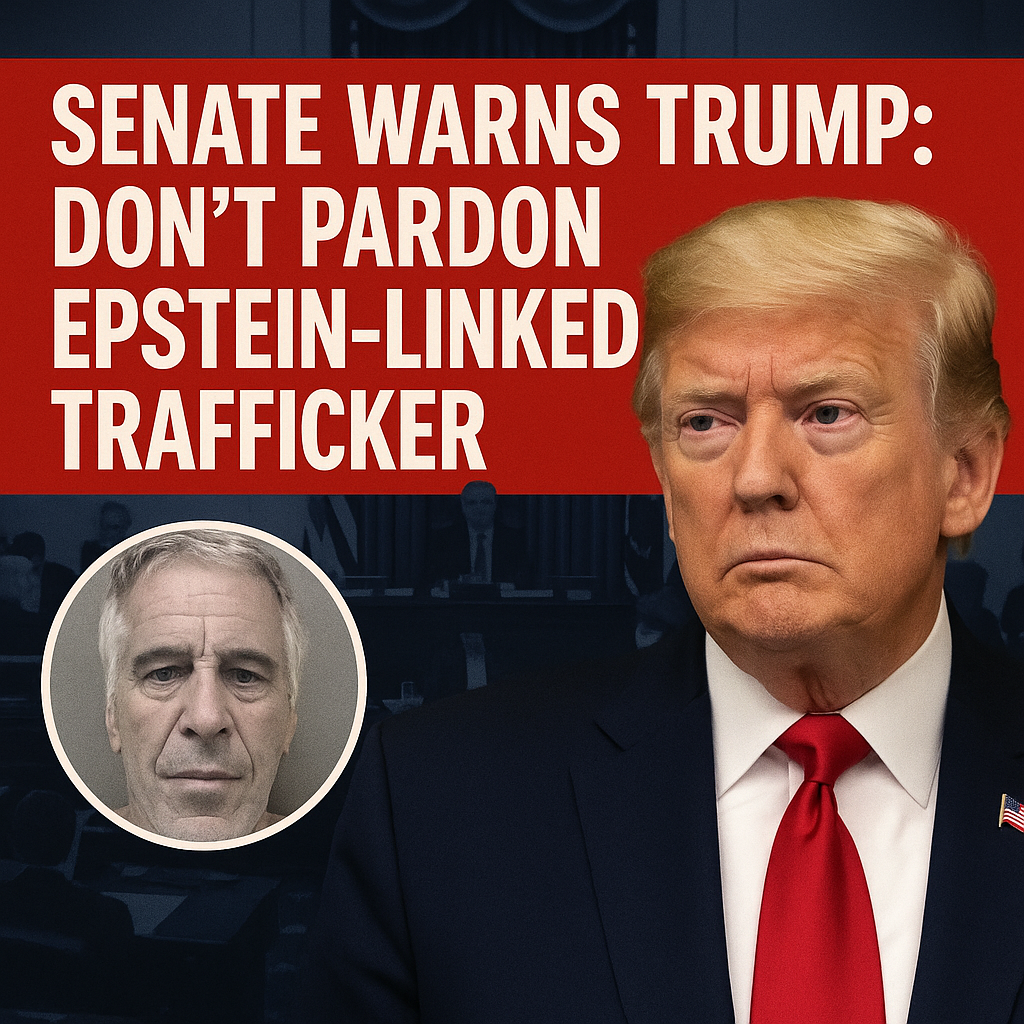
Senate Warns Trump: Don’t Pardon Epstein-Linked Trafficker
Senate Warns Trump: Don’t Pardon Epstein-Linked Trafficker
In a significant warning to former President Donald Trump, members of the Senate have raised alarms about the potential pardon of Ghislaine Maxwell, the convicted trafficker linked to the late Jeffrey Epstein. As influential voices weigh in, the conversation continues to stir intense debate surrounding accountability, justice, and the implications of pardons.

Background on the Case
Ghislaine Maxwell, a former socialite, was found guilty in December 2021 of charges related to the trafficking of underage girls for Epstein, who faced similar accusations before his death in 2019. The high-profile nature of this case has brought to light complex layers of power, privilege, and the darker corners of celebrity and wealth.

Senators across party lines have expressed significant concern over the possibility of Trump granting Maxwell a pardon. They argue that such an act could undermine the legal system and send dangerous signals about accountability for high-status individuals involved in egregious crimes.

Polarizing Public Opinion
Reactions to the senators’ warnings have varied widely. Some advocates for victims’ rights ardently support the Senate’s position, asserting that Maxwell’s actions caused irreversible harm to many young women. They believe that if Trump were to issue a pardon, it would negate the efforts of countless individuals who fought for justice in this case.
On the other hand, some political analysts suggest that the calls for a pardon could be interpreted through a political lens, where Trump’s base perceives any legal ramifications against public figures as “witch hunts.” This perspective can complicate the discussion surrounding the pardon; rather than being solely about justice for victims, it risks becoming a partisan issue where Trump’s decision may galvanize his supporters further.
Legal and Ethical Implications
The ethics of pardoning individuals involved in such heinous crimes is a topic of robust debate. Sen. Richard Blumenthal (D-CT) reiterated that families of victims have been “devastated” by Maxwell’s actions and urged Trump not to further compound their suffering through a pardon. Legal experts join this discourse, arguing that the precedent set by a pardon could have lasting implications for how justice is served in cases involving powerful figures.
Maxwell’s conviction was the result of a lengthy legal battle, and many fear that a pardon would send a message that the elite can circumvent accountability, potentially emboldening similar behavior in the future. This sentiment resonates with various advocacy groups, who argue that the justice system’s integrity must be preserved.
A Divided Senate
Interestingly, the Senate itself is divided on this issue. While many Democrats firmly oppose a potential pardon, some Republicans remain silent or are hesitant to take a definitive stance. The lack of a unified front suggests a deeper fracture not only within the political landscape but also among the American public regarding issues of justice and redemption.
Polling data reflects a lack of consensus as well, with some surveys indicating that a majority of Americans oppose clemency for Maxwell, while others express concerns about the motivations behind potential pardons—whether they be political expediency or genuine efforts for justice.
While it remains uncertain whether Trump will indeed consider a pardon, the diverse viewpoints emerging from lawmakers and observers alike signal that the implications of such a decision would reverberate through society at large.
Conclusion: The Path Forward
As the discourse surrounding the potential pardon for Maxwell unfolds, it underscores the complexity of the legal and ethical considerations at play. Should the former president choose to grant clemency, it could spark fierce backlash and debate about the true meaning of justice. Conversely, if Trump listens to the warnings from Senators, it may resonate with those who seek accountability and a reaffirmation of the legal system’s authority.
In a polarized environment, where public sentiment is deeply intertwined with political aspirations, the implications of this situation extend far beyond Maxwell herself. The choices made in these critical moments could shape conversations around justice, power, and responsibility for years to come. As the nation watches closely, the stakes remain high for all involved.