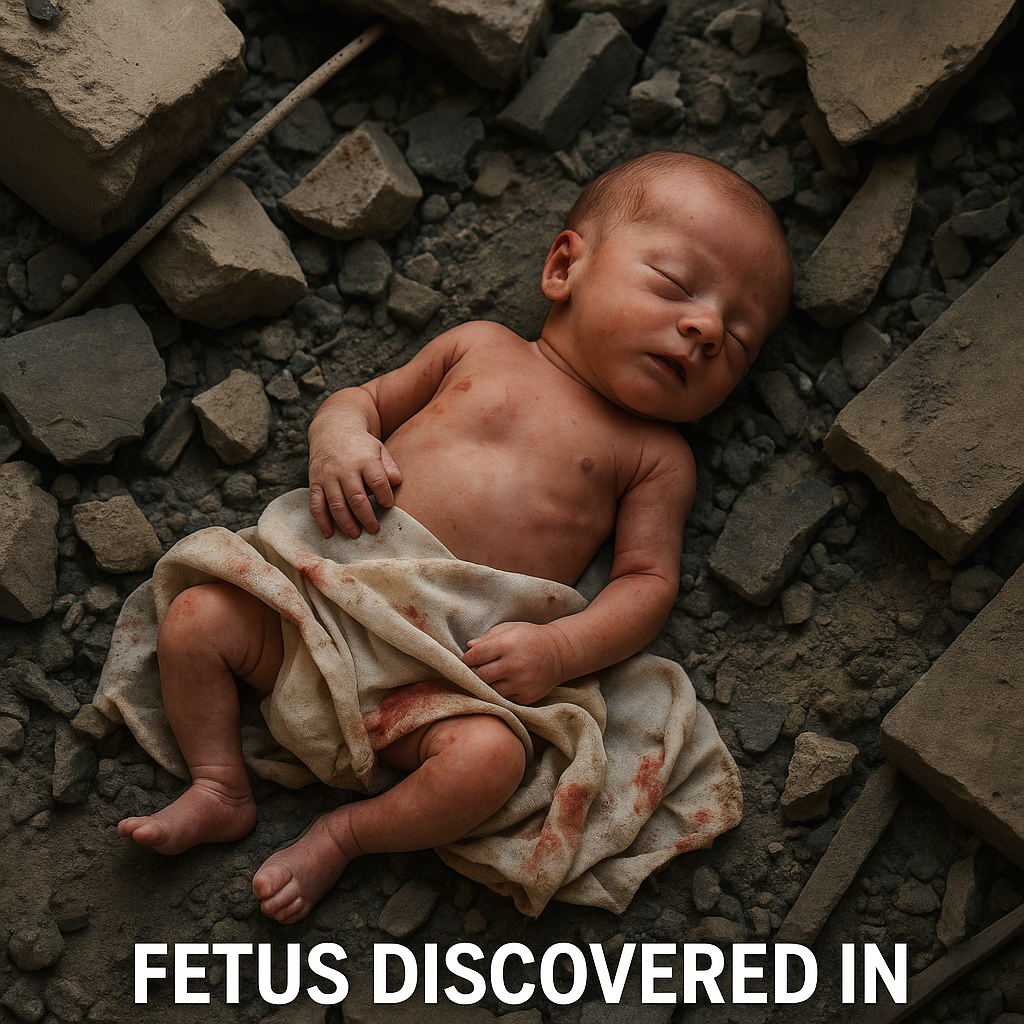
Fetus Discovered in Gaza Strike Ruins Amid Tragedy
Tragedy in Gaza: A Fetus Discovered Among the Ruins
The devastating consequences of conflict often leave behind haunting symbols of loss, and the recent discovery of a fetus in the rubble following an Israeli airstrike in Gaza is a heart-wrenching reminder of this reality. As reports emerged, many are grappling with the emotional weight of such incidents, igniting discussions about the broader humanitarian crisis enveloping the region.

The Context of the Tragedy
The situation in Gaza has been tumultuous for years, marked by cycles of violence that have claimed thousands of lives and left countless others in mourning. The airstrike, which reportedly occurred as part of ongoing military operations, not only resulted in immediate fatalities but also revealed the profound impact of war on vulnerable populations. According to Al Jazeera, initial reports indicated that multiple civilians lost their lives, but the discovery of the fetus underscored the catastrophic toll on innocent lives, particularly those yet to be born.

In a specific account from the scene, a medical worker was quoted saying, “It’s devastating to find something like this. It represents a future lost.” This statement encapsulates the emotional turmoil felt by many in the region and beyond, as the visual and emotional scars of such losses permeate through various communities. The physical remains of shattered buildings and debris serve as a silent testament to the human cost of ongoing hostilities.

Diverse Perspectives on the Conflict
Coverage from different media outlets portrays a complex landscape. RT reflects on the geopolitical dimensions of the conflict, arguing that recurring violence is often a symptom of larger territorial disputes and political disagreements between Israel and Palestine. They point out that without addressing the root causes, such tragedies are likely to continue.
Conversely, Sky News focuses more on the humanitarian angles, highlighting the plight of civilians caught in the crossfire. They emphasize that the international community’s response often falls short in effectively addressing the needs of those affected, with many areas still lacking basic necessities such as medical supplies and food in the wake of such attacks.
The International Response and Humanitarian Implications
The international outcry surrounding the recent discoveries in Gaza has reignited discussions about humanitarian intervention and the responsibilities of the global community. Organizations like the United Nations have called for increased support and protection for civilians, particularly women and children, who are disproportionately affected by conflicts. However, critics argue that responses from major powers often remain tepid and politically charged.
There exists a palpable frustration among peace advocates who argue that the cycle of violence perpetuates trauma and hinders future generations’ prospects for stability and peace. As a Palestinian rights organization stated, “Each bombing leaves behind not only physical destruction but a legacy of fear and grief that lasts for generations.”
The Need for Broader Dialogue
The tragic discovery of a fetus amid the ruins emphasizes the urgent need for dialogue around the humanitarian implications of conflict. It raises difficult questions: How can the international community better support those trapped in such dire circumstances? What can be done to prevent the recurrence of tragedies that highlight the vulnerability of innocents in war-torn regions?
As narratives from both sides of the conflict emerge, it becomes increasingly important to foster a balanced view that acknowledges the complexity of the situation. The profound emotional toll of war cannot be understated, as evidenced by the heartbreaking image of a lost future in the rubble of Gaza.
Conclusion: Reflecting on Humanity’s Responsibility
The discovery of a fetus in the aftermath of violent conflicts serves as a stark reminder of our shared humanity and the consequences of inaction in the face of such suffering. It compels us to advocate for peace and highlights the essential role of empathy and understanding in resolving conflicts. Each tragic event, like the one in Gaza, calls for a collective recommitment to protecting the most vulnerable among us. Moving forward, fostering dialogue, encouraging humanitarian efforts, and advocating for responsible policies are crucial steps toward ensuring that history does not continue to repeat itself.