Iceland Moves to End Commercial Whaling After Decades of Controversy
Iceland plans to introduce legislation in February 2027 to permanently ban commercial whaling, citing political and public support and ethical, legal, and conservation concerns. The proposal could end an industry resumed in 2006 that currently operates under an annual fin whale quota.
If approved, Iceland would join most countries prohibiting commercial whaling, leaving Norway and Japan as the only practitioners. The plan follows years of criticism and uncertainty over Iceland’s last whaling company, which received a five-year license in 2024.
Iceland’s government plans to introduce legislation in February 2027 that would permanently ban commercial whaling, potentially bringing an end to the country’s controversial whaling industry. If approved, Iceland would join most of the international community in ending commercial whaling, leaving Norway and Japan as the only countries continuing the practice.

The announcement follows years of criticism from animal-welfare organizations and activists. Iceland’s government said there is significant political and public support for a permanent ban, along with ethical, legal and conservation arguments for ending commercial whaling.
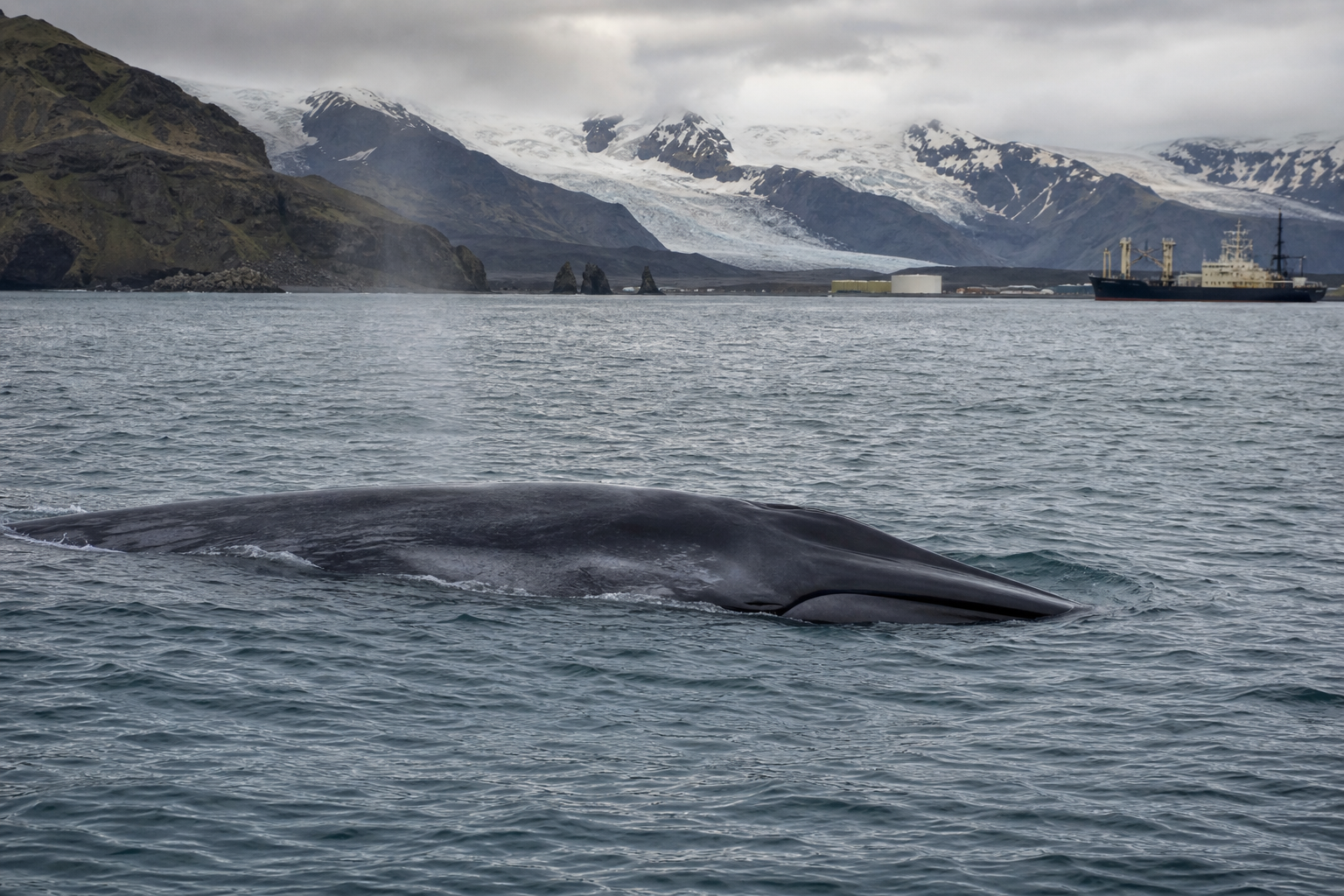
Iceland’s current whaling season runs from June until around the end of September. As of September 9, 80 fin whales had been hunted under a quota allowing up to 150 to be caught this year. Fin whales are classified as vulnerable by the International Union for Conservation of Nature.

Iceland’s whaling industry has faced growing uncertainty in recent years. In 2024, the government granted a five-year license to the country’s last remaining commercial whaling company, but the new proposal could permanently change the future of the industry.

Commercial whaling has been restricted by an international moratorium since 1986. Iceland resumed commercial whaling in 2006, while Norway resumed it in 1993. Japan restarted commercial whaling in its own waters in 2019 after leaving the International Whaling Commission.
If Iceland’s proposed legislation becomes law, it would represent a major change for one of the world’s most controversial wildlife industries. It would also leave Norway and Japan increasingly isolated internationally as the remaining countries engaged in commercial whaling.