Drone Strikes Kill Three in Russian-Controlled Horlivka

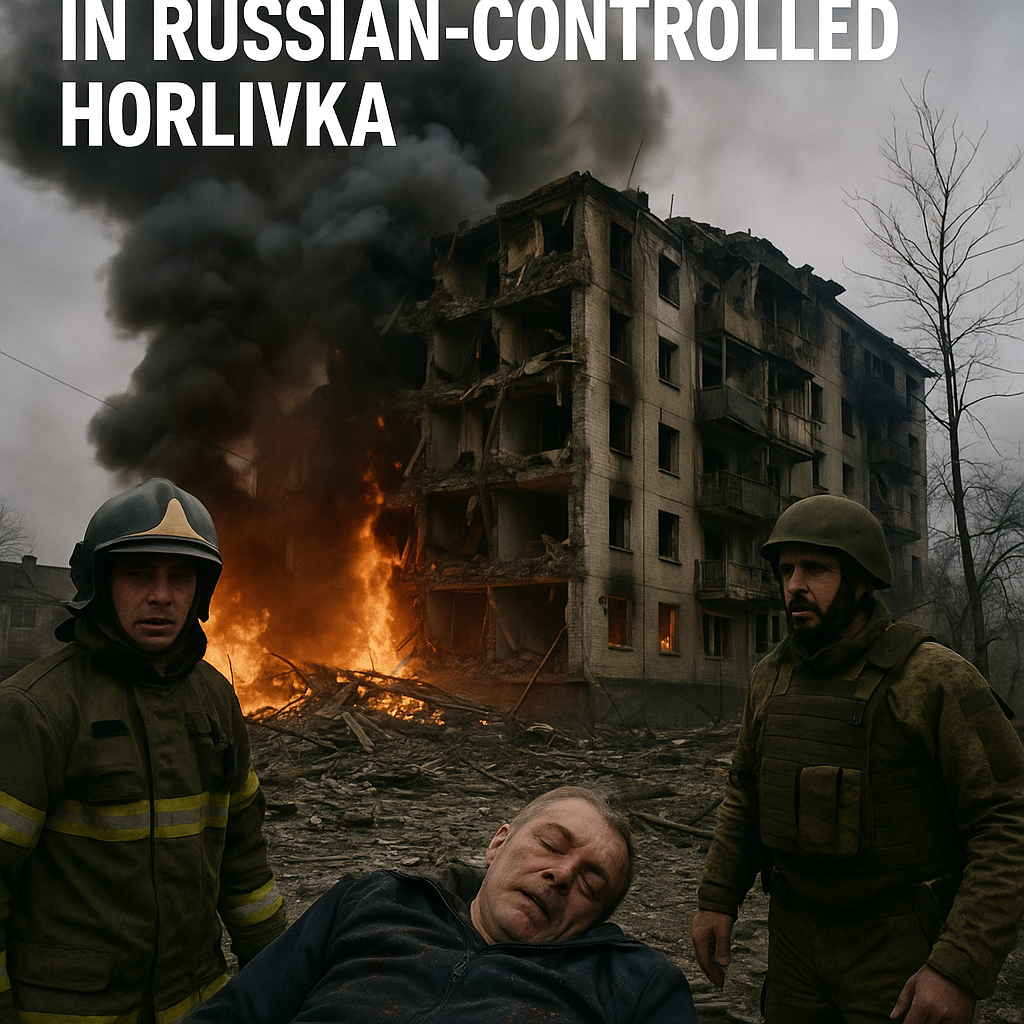
In recent events, drone strikes have reportedly killed three individuals in Horlivka, which is under Russian control. These incidents highlight the escalating tension and violence in the region amid ongoing conflict between Ukraine and Russia.

Understanding the Context: A Tenuous Situation
Horlivka, a city in eastern Ukraine, has been a flashpoint in the conflict that erupted in 2014. Since then, it has been a site of intense military activity and has seen multiple changes in control. The recent drone strikes add a new layer of complexity, bringing international attention once more to the dynamics at play in this contested territory.


Reactions to the Drone Strikes


Reports from various outlets present a mix of reactions to the strikes. Al Jazeera described the incident as part of the broader conflict dynamics, emphasizing that such attacks have become increasingly common as both sides leverage modern technologies in their military strategies. They noted that these strikes not only result in casualties but also deepen the mistrust between Ukrainian forces and Russian-controlled areas.
In contrast, RT, a state-funded news network, painted the incident as a blatant attack against civilians rather than military targets. They characterized the drone strikes as a violation of international norms, arguing that such actions could escalate the conflict further and provoke retaliatory measures. This perspective underscores an essential aspect of the narrative: the framing of drone warfare and tactics can significantly influence public perception and policy.
What remains particularly troubling is the lack of clarity surrounding the identities of the victims. While initial reports noted the death of civilians, further investigations into the precise nature and context of those killed have not yet emerged. This uncertainty contributes to a sense of disquiet in a conflict already marked by misinformation and contradictory narratives.
The Broader Impact of Drone Warfare
Escalation of Military Tactics
The deployment of drones in warfare has changed how conflicts are conducted, shifting the focus from traditional ground engagements to more nuanced, technology-driven operations. This technical evolution raises several critical questions regarding the legality and ethics of such tactics:
– Civilian Safety: With drone strikes, the risk to civilian life significantly increases. How can parties ensure precision to minimize collateral damage?
– Legal Implications: As noted by various legal experts, targeting areas populated by civilians can conflict with international humanitarian law. Consideration must be given to who bears responsibility for these civilian casualties.
– Retaliation and Cycles of Violence: Each strike can provoke retaliation, leading to cycles of violence that destabilize a region further. How will this impact the already fragile peace negotiations?
Local Perspectives
Local sentiments are complex, as many residents have expressed frustration with the ongoing violence and the lack of effective governance in the region. Many feel caught in a geopolitical struggle that has little regard for their lives. Comments from residents in Horlivka indicate a growing weariness of conflict, highlighting that the indiscriminate nature of drone strikes only perpetuates an already tense atmosphere.
Conclusion: Finding a Path Forward
As the situation in Horlivka and similar conflict zones continues to evolve, the use of drone strikes signifies a worrying trend in modern warfare that complicates peace efforts. The differing perspectives regarding the recent strikes reflect the challenges of establishing a consensus amidst an ever-changing battlefield.
While some may argue that drone strikes are a necessary military tactic, others contend that they exacerbate suffering among civilians and destabilize efforts toward resolution. What is clear is that for any path toward peace to be found, the international community must weigh the implications of such strategies thoughtfully.
In the wake of these events, it remains crucial for all parties involved to consider the human cost of conflict and prioritize diplomatic avenues over military ones. The pressing need for a comprehensive dialogue is more vital than ever as the conflict in Ukraine shows no signs of abating.