Trump Promotes Iran Deal, Ukraine Goals at G7 Summit

Trump’s Stance on Global Diplomacy at the G7 Summit
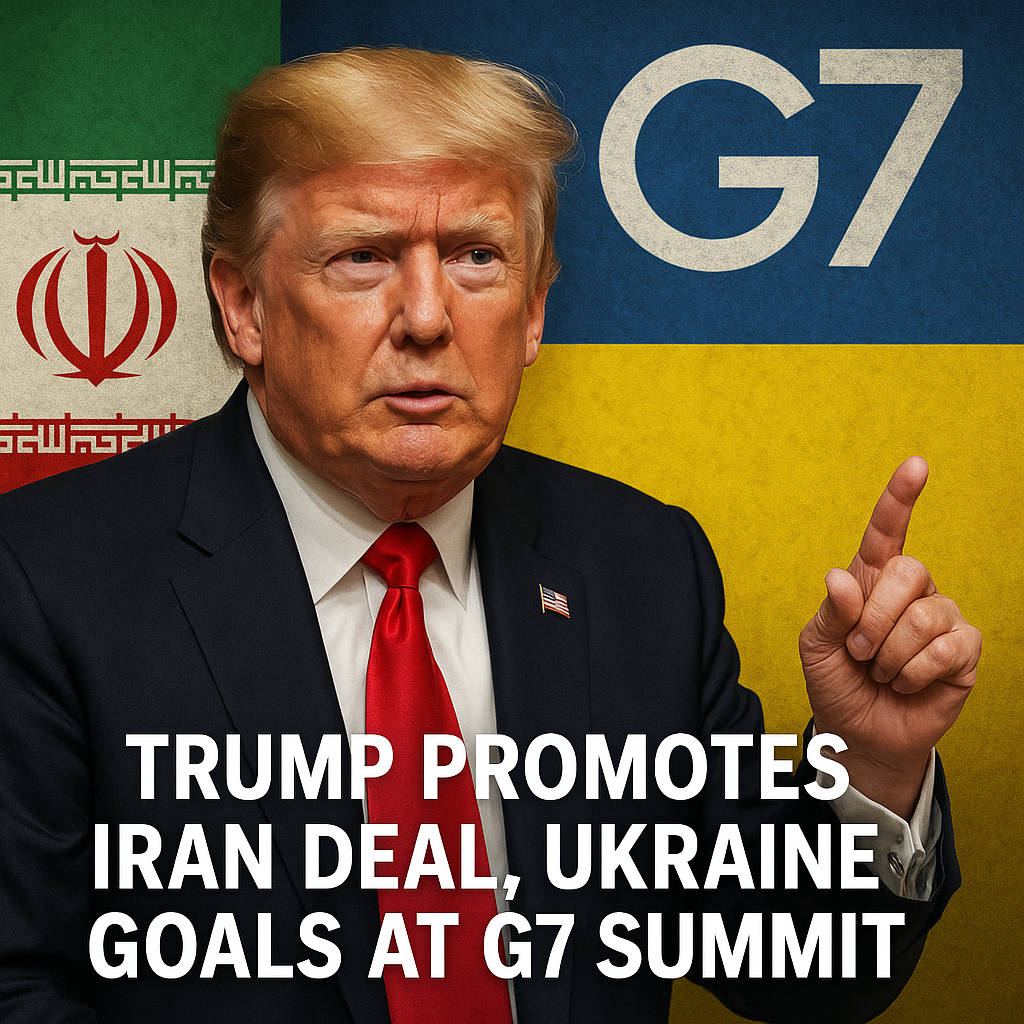
Former President Donald Trump has recently made headlines by advocating for renewed diplomatic efforts regarding the Iran nuclear deal and clarifying his stance on Ukraine’s ambitions at the G7 Summit. As global leaders convened to address pressing issues, Trump’s assertions invite both support and criticism, reflecting the complex landscape of international relations.

A Call for Renewed Engagement with Iran
One of Trump’s cornerstone arguments at the G7 meeting was the promotion of a new approach to the Iran nuclear deal, previously scuttled during his administration. Advocating for the necessity of diplomacy, he emphasized the potential benefits of re-engaging with Iran in dialogue. “We must consider that peace is sometimes achieved through negotiation,” he stated, underscoring the idea that current tensions could be mitigated through renewed cooperation.


Supporters of Trump’s viewpoint acknowledge that diplomatic channels, if reinstated, could stabilize the Middle East while also mitigating nuclear proliferation risks. They argue that a pragmatic approach towards Iran could prevent war and foster long-term stability in a region historically fraught with conflict. This perspective is echoed by analysts who point to ongoing instability in the Middle East, suggesting that ignoring dialogue opens the door to escalating violence.


However, not all agree with Trump’s optimistic outlook on re-engagement with Iran. Critics, including foreign policy experts and some G7 leaders, caution that Tehran’s actions since the deal’s termination, including missile tests and regional interference, undermine its credibility as a negotiating partner. These dissenting voices argue that without stringent conditions and robust oversight, a renewed deal could simply provide Iran with more leverage to destabilize local and global security.
Ukraine’s Future: A Balancing Act
Turning to Ukraine, Trump reiterated support for its sovereignty but insisted on a “sensible negotiation” approach to resolve ongoing conflicts with Russia. This position aligns with Trump’s historical pivot towards prioritizing American interests over a purely interventionist foreign policy. “We want to support Ukraine,” Trump asserted, “but we can’t continue to empty our pockets for a drawn-out conflict.”
This perspective strikes a chord with certain segments of the American public who are increasingly wary of prolonged involvements abroad. Recent polling indicates a shift in sentiment as citizens grapple with domestic priorities, including economic challenges, while still recognizing the importance of international alliances. Trump’s emphasis on negotiation rather than prolonged military engagement resonates with those seeking a more measured response to Russia’s aggression.
Conversely, foreign policy analysts warn that such a transactional approach might embolden Russia, undermining the fragile stability in Eastern Europe. These experts argue that a strong, unified stance from Western allies is crucial in presenting a united front to deter further Russian advances. The stark contrast between Trump’s proposed negotiations and the approach of many G7 allies illustrates the divergent strategies within the global community regarding Ukraine.
Conclusion: A Complex Path Forward
As Trump champions renewed diplomatic discussions regarding Iran and makes the case for a more measured approach to Ukraine, it’s clear that his views reflect broader debates about the role of American leadership on the world stage. The contrasting opinions on these issues underscore a critical juncture in international relations where traditional strategies are increasingly being questioned.
While some see Trump’s perspective as a necessary evolution in diplomatic engagement, others view it as a potential risk that could invite greater international instability. As the G7 leaders continue their discussions, the outcomes of these debates are likely to shape global diplomacy for years to come, revealing the lingering uncertainties in addressing the challenges that lie ahead.