
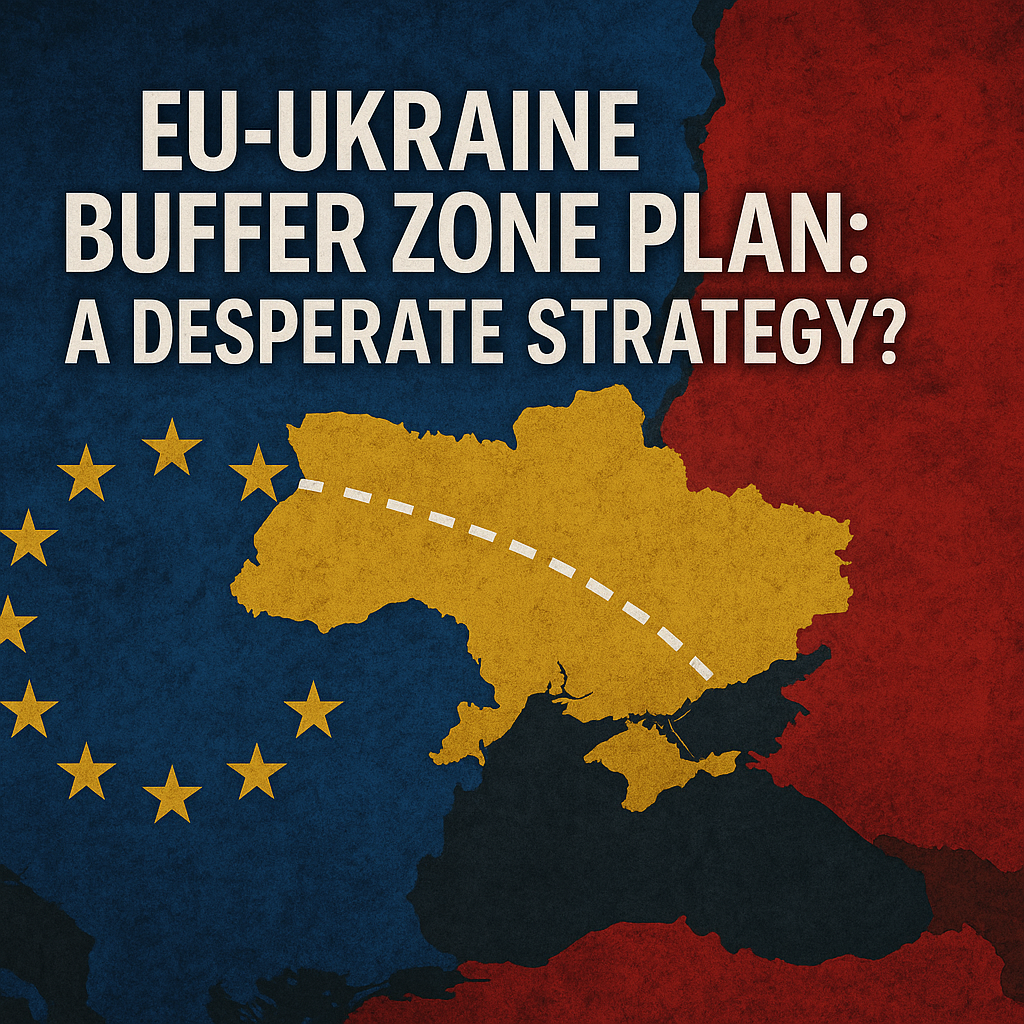
EU Ukraine Buffer Zone Plan: A Desperate Strategy?

EU Ukraine Buffer Zone Plan: A Desperate Strategy?
The European Union’s proposed buffer zone plan for Ukraine has sparked considerable debate, with various viewpoints emerging around its viability and implications. Amid ongoing hostilities in the region, this initiative raises questions about its purpose and underlying motivations.

Understanding the Buffer Zone Plan
The EU’s buffer zone concept aims to establish a demilitarized area intended to separate Russian and Ukrainian forces. This initiative, reported among various sources, reflects a growing concern about escalating tensions and the potential for a wider conflict. With a deepening crisis affecting both regional and global stability, the EU appears to be grasping for solutions that could foster some semblance of peace.


Reports from sources including RT highlight skepticism about the feasibility of such a plan. Critics argue that establishing a buffer zone could be impractical given the fluid nature of modern conflicts. Furthermore, the idea may minimally impact the ground realities, especially considering that similar proposals in other conflict zones have met with limited success.


Mixed Reactions from Allies and Adversaries
In evaluating the buffer zone proposal, we see a split among EU member states and international observers. Some members express tentative support, viewing the buffer zone as a necessary interim measure to prevent further escalation. Others, however, perceive it as an inadequate and potentially misguided effort that may inadvertently legitimize territorial gains made by Russia.
Al Jazeera reports comments from military analysts suggesting that a buffer zone could create a false sense of security, which might mask deeper geopolitical vulnerabilities. There are concerns that establishing such a zone could entrench divisions and undermine diplomatic efforts aimed at a more comprehensive resolution to the conflict.
In contrast, some proponents argue that a demilitarized space could reduce civilian casualties and provide humanitarian access to war-torn areas. By easing tensions on the front lines, the hope is to create openings for dialogue and negotiation, potentially leading to a more sustained peace.
The Humanitarian Angle
Perhaps the most compelling argument in favor of the buffer zone lies in its potential humanitarian benefits. Access to critical services and aid has dramatically declined amid the ongoing conflict, leading to a worsening humanitarian crisis in Ukraine. Establishing a safe zone could pave the way for necessary assistance to reach those most affected.
Sky News coverage emphasizes the dire situation in affected areas, citing the significant toll the conflict has taken on civilians. The humanitarian perspective underscores an urgent need for immediate action, and a buffer zone could serve as a lifeline for many suffering under the weight of war.
The Implementation Challenge
Despite the potential benefits, the question of how to implement the buffer zone remains a formidable challenge. The logistical realities of enforcing such a zone in a conflict marked by rapid changes and significant military presence pose serious barriers. Military experts warn that without robust enforcement mechanisms, the buffer zone could easily become irrelevant or, worse, provoke further confrontations.
Moreover, the EU must consider the regional dynamics at play. Russia’s stance on such initiatives has historically been one of resistance, and there are concerns that the imposition of a buffer zone could heighten tensions rather than ease them. Observers note that any successful implementation would require the cooperation of both Russian and Ukrainian forces, which remains a significant hurdle.
Conclusion: A Fractured Approach?
In conclusion, the EU’s buffer zone plan for Ukraine can be interpreted in multiple ways. It embodies both a desperate measure in a time of turmoil and a potentially beneficial humanitarian effort. What is clear is that the implementation of such a plan is riddled with complexities that must be carefully navigated.
Ultimately, while the buffer zone concept has its proponents, significant skepticism remains regarding its effectiveness. The diverse perspectives regarding this initiative highlight the multifaceted nature of the conflict and underscore the pressing need for diplomatic solutions that go beyond temporary fixes. As the situation continues to evolve, it is crucial for EU leaders to weigh the various considerations, keeping in mind both humanitarian imperatives and geopolitical realities. The path forward will require a nuanced approach, acknowledging the risks while striving for lasting peace in a fractured region.















