Europe’s Holocaust Guilt Fails to Shield Israel

Europe’s Holocaust Guilt Fails to Shield Israel
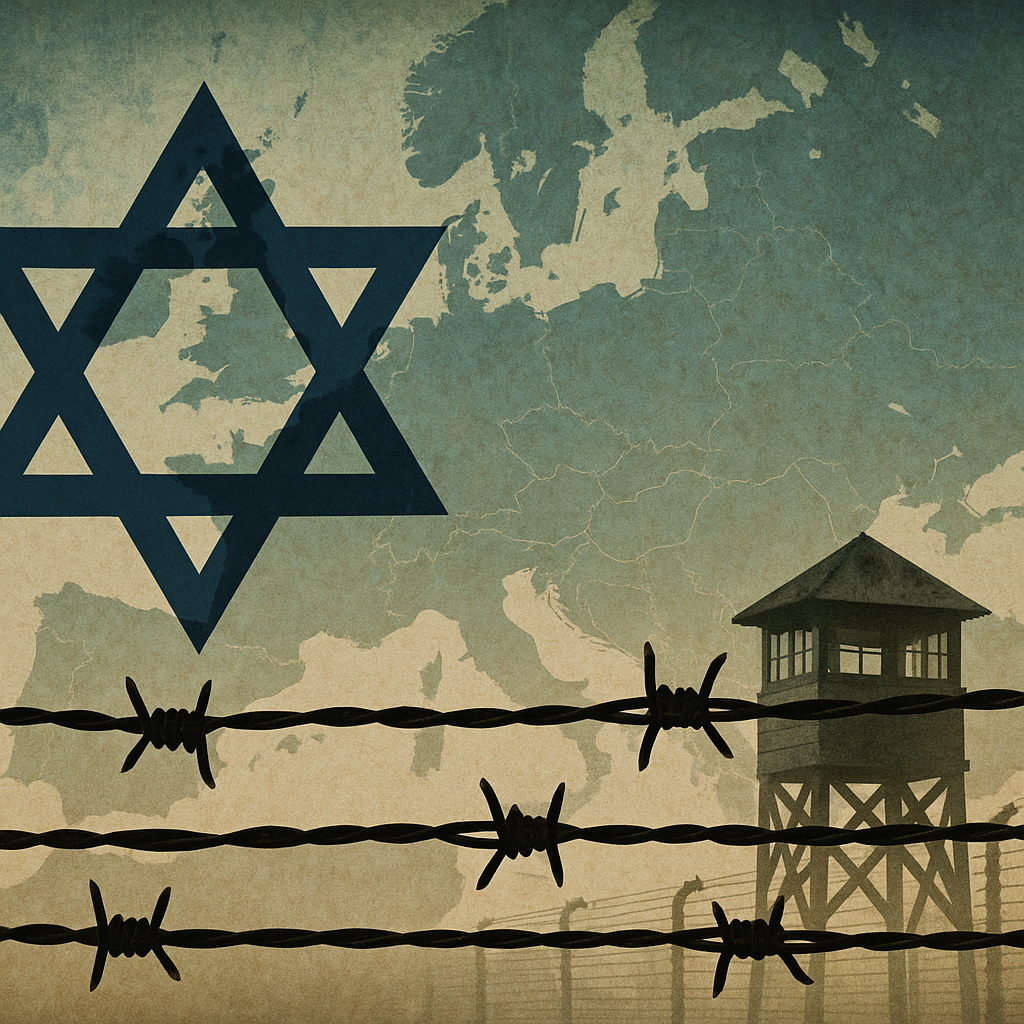
The complex dynamics of guilt and historical trauma in Europe significantly shape its political stance towards Israel. As tensions escalate in the Israeli-Palestinian conflict, the shadows of the Holocaust loom large, impacting European policies and public opinion. However, this guilt is increasingly viewed as inadequate in justifying Israel’s ongoing actions and policies towards Palestinians.

The Weight of Historical Guilt
Europe’s collective memory of the Holocaust instills a profound sense of responsibility, influencing its diplomatic interactions with Israel. This historical context often leads European nations to adopt a lenient stance towards Israel’s actions, particularly in the context of military operations and territorial policies. Many European leaders express a nuanced understanding of Israel’s right to defend itself, given the historical persecution of Jews culminating in the Holocaust.


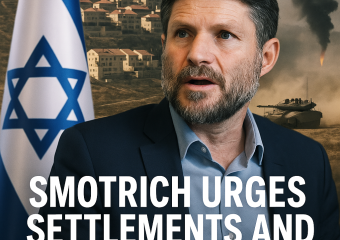
However, critics argue that such guilt-fueled empathy can sometimes obscure the realities of the Israeli-Palestinian conflict. Various human rights organizations and international observers highlight that this guilt does not absolve Israel from accountability for its actions, especially concerning military conduct and settlement expansions in occupied territories. A report by Al Jazeera underscores that the justification of Israel’s actions as a response to historical trauma fails to address the ongoing humanitarian crisis faced by Palestinians.


Diverging Perspectives on Responsibility
While many European nations grapple with their historical relationships to the Holocaust, notable divisions exist in how this guilt shapes responses to Israel’s policies. For instance, some countries have pushed back against Israel’s settlements and proposed stronger measures to hold it accountable. Recent surveys indicate a growing skepticism towards Israel among European citizens, especially among younger generations. This sentiment suggests a shift in public opinion, demanding more substantive action in response to perceived injustices against Palestinians.
Conversely, right-leaning factions within Europe tend to maintain a firm pro-Israel stance, emphasizing the importance of historical memory. They argue that the Holocaust’s lessons necessitate unwavering support for Israel as a sanctuary for Jews worldwide. However, this view is increasingly contested within the wider political discourse. Sky News reports that several prominent voices in European politics are calling for a more balanced approach that recognizes both Jewish suffering and Palestinian rights.
Notably, French President Emmanuel Macron recently advocated for a more nuanced policy that recognizes the complexities of the situation. His position reflects a growing recognition that blind support for Israel based purely on the Holocaust narrative limits the potential for peace and mutual understanding. Instead, he promotes dialogue that encompasses the perspectives and rights of both Israelis and Palestinians.
The Limitations of Guilt in Modern Politics
The argument that Europe’s Holocaust guilt should protect Israel has increasingly become insufficient for justifying its policies in the eyes of many modern observers. The moral implications of historical grievances cannot comprehensively address the current status of human rights and international law violations experienced by Palestinians. The inability to reconcile Europe’s historical responsibilities with the realities on the ground raises questions about the efficacy of guilt as a basis for contemporary foreign policy.
Furthermore, the juxtaposition of Holocaust memory with current policies often leads to polarized narratives. Many advocates for Palestinian rights assert that equating political critiques of Israel with anti-Semitism dilutes genuine concerns over human rights. This trend is deeply concerning to various liberal democratic principles that emphasize free speech and the importance of allowing diverse perspectives within political discourse.
Conclusion: Moving Towards Human Rights
In navigating the delicate interplay of historical guilt and modern-day accountability, Europe faces a considerable challenge. The tragic lessons of the Holocaust demand remembrance and respect, but they should not serve as a blanket justification for the actions of a state. As public sentiment increasingly shifts toward a recognition of the Palestinian plight, European leaders are urged to reevaluate their policies.
The path forward lies not in the absolution of actions based on past traumas but in a commitment to human rights for all peoples. A balanced approach recognizes that true solidarity must advocate for justice irrespective of historical narratives. The conversation is evolving, and both European citizens and leaders must strive for a more equitable application of justice that honors the past while pursuing a peaceful future for both Israelis and Palestinians.