FIFA President’s Support for Iran Team Amid Challenges

FIFA President’s Support for Iran Team Amid Challenges
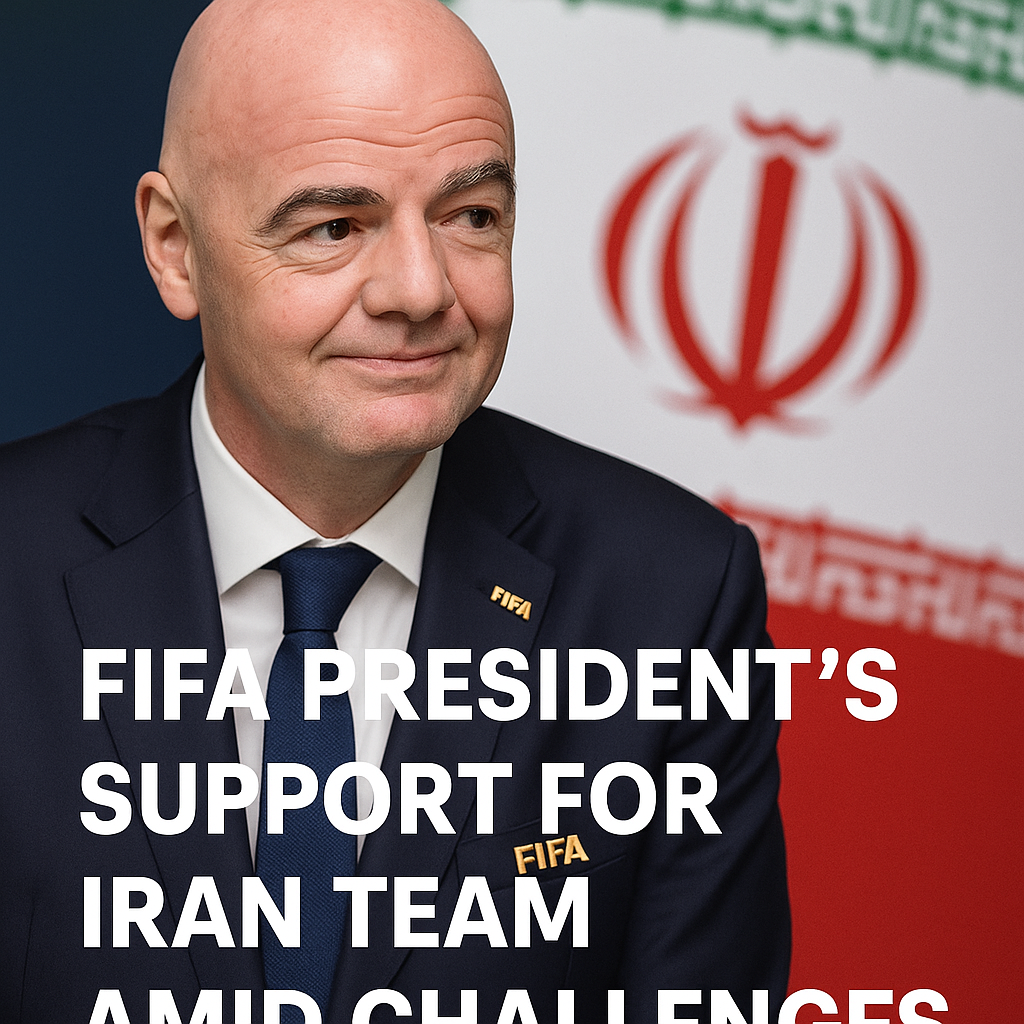
The recent visit by FIFA President Gianni Infantino to the Iranian national football team has sparked a complex dialogue regarding sports, politics, and cultural challenges. By expressing solidarity with the players, Infantino’s actions have been interpreted broadly, touching on issues ranging from national pride to human rights.

A Symbol of Support in Troubling Times
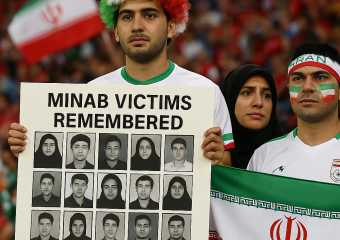
During his visit, Infantino remarked, “I know what you’ve been through,” acknowledging the team’s struggles both on and off the field. This statement resonates deeply, particularly given Iran’s socio-political climate. The national team, often a source of pride for Iranians, has faced increasing challenges, including internal dissent and public protests following the death of Mahsa Amini while in police custody last year. These events have heightened global scrutiny regarding the rights of women and the general populace in Iran.


Infantino’s words appear to serve not only as encouragement for the players but also as a broader reflection of FIFA’s role in navigating such contentious waters. FIFA has long touted football as a unifying force, capable of bridging divides and promoting dialogue. Infantino’s supportive stance aims to enhance morale, especially as the Iranian team prepares for upcoming international competitions.


Balancing Football and Politics
While Infantino’s gestures of support have been embraced by some, critics argue that the intersection of sports and political issues complicates the narrative. The hesitancy about FIFA’s engagement in such matters stems from concerns over the organization’s perceived alignment with regimes accused of human rights abuses.
Supporters of Infantino’s visit argue that recognizing the athletes’ struggles is essential to fostering international sympathy and understanding. They posit that engaging with the Iranian team can be a constructive way of highlighting the undesirable socio-political realities without directly confronting the government. As one analyst noted, it’s a delicate balance—fostering relationships through sports while not ignoring the pressing human rights concerns.
Conversely, there are voices within human rights organizations who caution against normalizing relationships with regimes where systemic abuse exists. To these critics, Infantino’s visit could be seen as a potential enabling of state narratives that downplay or dismiss the grievances of the Iranian people. They argue that supporting the athletes must not translate to an endorsement of a government that undermines fundamental rights.
The Road Ahead: Navigating Complexities
The upcoming World Cup and other international competitions put additional pressure on FIFA to take a stance that is both principled and pragmatic. As the world watches, the spotlight on Iran’s national team will inevitably draw attention back to the country’s internal issues.
FIFA’s engagement could prove beneficial in promoting dialogue and providing a platform for discussing fundamental rights. However, there is a risk that focusing excessively on football could detract from the ongoing struggles faced by ordinary Iranians.
A nuanced perspective suggests a path forward where FIFA acknowledges the tension between sports and political realities, using its platform to advocate for rights while supporting athletes. It’s a fine line to walk, as echoing sentiments across the globe will require sensitivity to both the joys and the struggles that the Iranian team embodies.
In conclusion, while Gianni Infantino’s support for the Iranian national team represents a moment of solidarity amid hardship, it also underscores the complex interplay of sports and international ethics. As the narrative unfolds, both FIFA and the world will need to remain vigilant about the implications of such engagements, ensuring that the focus on sports does not overshadow the essential issues that lie beneath. Balancing support for athletes with a commitment to human rights will be crucial as the international community follows this story closely.