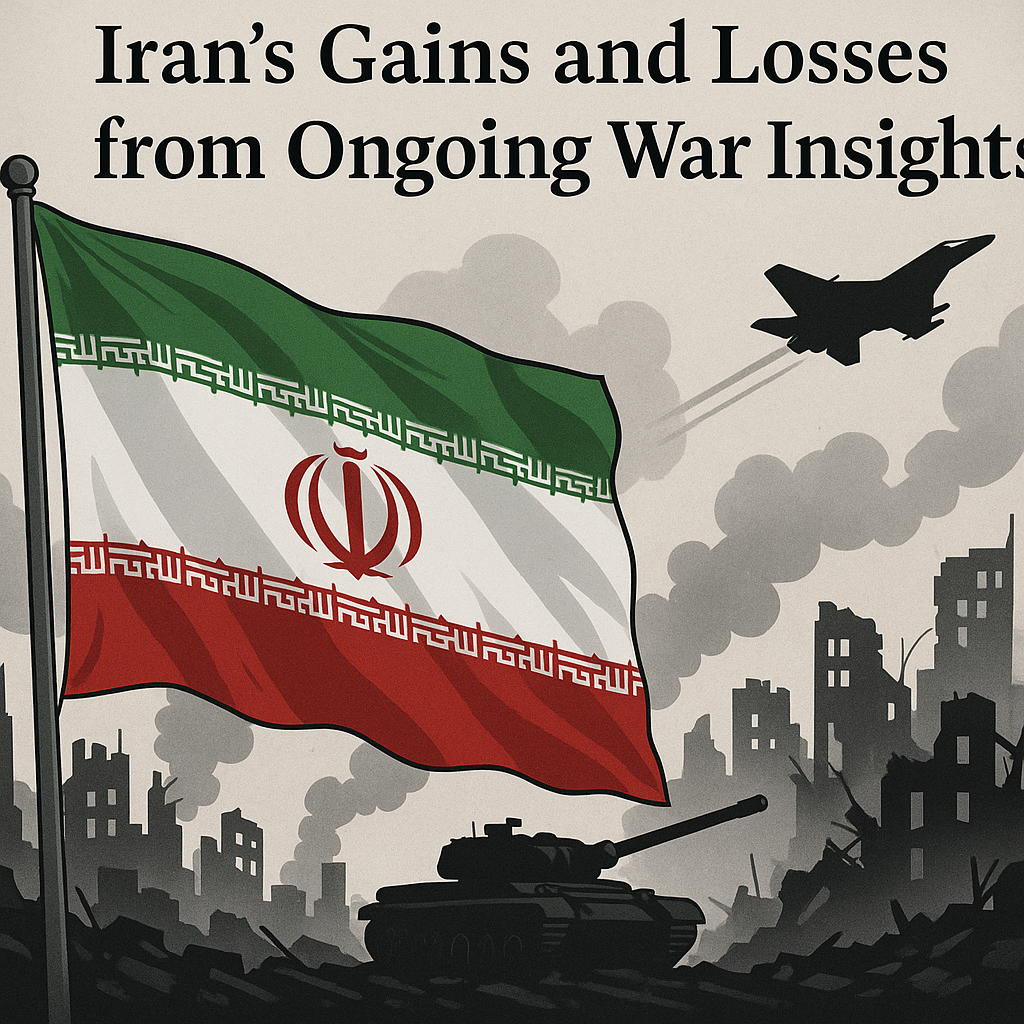
Iran’s Gains and Losses from Ongoing War Insights

Analyzing Iran’s Gains and Losses from Ongoing War Insights
The ongoing conflict in the Middle East has brought significant complexities, especially regarding Iran’s geopolitical landscape. As various factions vie for influence, Iran has navigated both gains and losses that are reshaping its regional and international standing.

The Strategic Gains for Iran
In recent times, Iran has made notable advancements that bolster its influence in the region. Much of this stems from its military strategy and the establishment of alliances with various non-state actors across the Middle East.


1. Regional Influence through Proxy Forces: Iran has successfully utilized proxy groups in countries like Iraq, Syria, and Lebanon. By supporting militias such as Hezbollah and various militia groups in Iraq, Iran has been able to project power and influence strategic territories, allowing for a sphere of influence that stretches across borders.


2. Strengthening Ties with Russia and China: The ongoing conflict has also prompted Iran to forge stronger bonds with countries like Russia and China. With both nations also facing sanctions and challenges from the West, they have found common ground with Iran, particularly in military and economic collaborations. This trilateral alliance is positioning Iran as a key player capable of countering Western influence in the region and gaining economically through shared resources.
3. Economic Opportunities amid Sanctions: Even while under economic sanctions, Iran has capitalized on its vast energy resources. The war has seen a rise in demand for oil and gas, allowing Iran to pivot towards alternative markets like East Asia. Reports indicate that trade between Iran and China has surged, providing a much-needed economic buffer.
The Costs: Risks and Challenges
While there are clear advantages, the costs of Iran’s involvement in these ongoing conflicts are equally significant. The ambitions that place Iran at the forefront also expose it to various vulnerabilities that could be detrimental in the long run.
1. Military Engagements and Their Toll: Iran’s commitment to various military engagements has strained its resources. Supporting militia groups and maintaining a military presence in conflict areas requires significant investment. The prolonged focus on exerting influence over proxy groups may divert resources from addressing domestic issues such as economic hardships and infrastructure development.
2. Domestic Backlash: Internally, there are rising concerns regarding the costs of war and military support amidst economic distress. A section of the Iranian populace voices frustration over prioritizing foreign conflicts over urgent domestic needs. This internal dissatisfaction could lead to potential unrest, challenging the government’s stability.
3. International Isolation: By aligning too closely with nations like Russia—especially as global sentiment shifts against it—Iran risks further isolation. The international community remains wary of Iran’s nuclear ambitions and military posturing, which could lead to increased sanctions and diplomatic isolation in the long term.
The Dual-Edged Sword of Hostilities
The landscape of warfare is mercurial, making it increasingly complex for Iran to navigate its standing and ambitions. While strategically enhancing its regional power, Iran must also contend with the drawbacks of overextension and international scrutiny.
The Balancing Act Ahead
In the wake of these developments, Iran faces the daunting task of balancing its newfound power with the need to address internal vulnerabilities and external threats. The country’s leaders must reassess strategies, ensuring that military engagements do not come at the cost of domestic stability.
1. Diplomatic Engagements: A shift toward proactive diplomacy may help Iran mitigate some of the risks associated with its confrontational posture. Engaging in talks could provide a path to easing sanctions, paving the way for economic recovery while simultaneously securing its interests in regional stability.
2. Addressing Public Sentiment: Prioritizing public needs over military ambitions could help ease domestic tensions and build a stronger foundation for governance. This involves focusing on job creation, healthcare, and essential services that resonate with the populace, creating a more balanced approach to governance.
Conclusion
As the conflict continues to evolve, the narrative surrounding Iran’s gains and losses remains richly layered. The potential for increased influence comes with inherent risks, leaving Iran at a crossroads where strategic decisions will have lasting repercussions. Balancing military ambitions with domestic stability and international relations will be critical in shaping Iran’s trajectory in the coming years. The situation is not static; rather, it reflects a complex interplay of local and global dynamics that must be monitored closely.