Iran Bids Farewell to Late Supreme Leader: Photos & Videos

Iran Bids Farewell to Late Supreme Leader: A Nation in Mourning
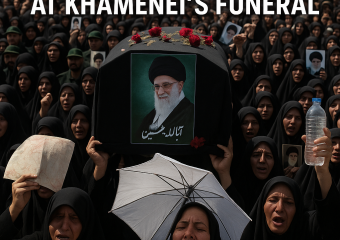
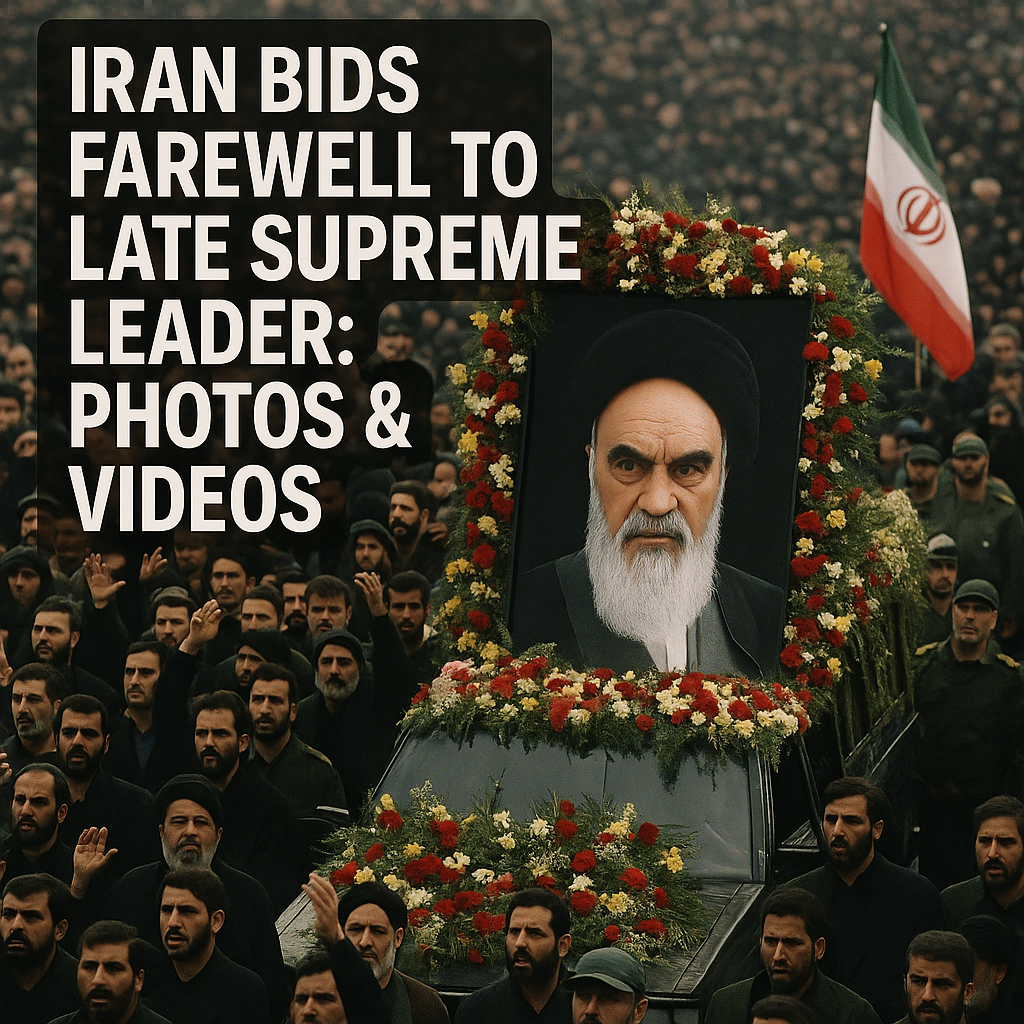
Iran recently laid to rest its late Supreme Leader, Ayatollah Ali Khamenei, in a ceremony that drew thousands of mourners from various sectors of society. This monumental event not only commemorates a pivotal figure in Iranian history but also serves as a reflection of the current social and political climate within the country.

The Ceremonial Observances
From the early hours of the morning, Tehran was awash with somber colors as people congregated to pay their respects to Khamenei. The funeral procession wound through the capital, with crowds gathering along the streets to bid farewell. Observers noted the emotional outpouring from citizens, which some attributed to Khamenei’s influence in stabilizing the nation through tumultuous times, while others reflected a growing discontent with the existing governance.


According to reports from various media outlets, including Al Jazeera and RT, the ceremony featured not only prayers and eulogies but also fervent appeals for unity amidst escalating tensions, both domestically and internationally. The government emphasized Khamenei’s role in sustaining the Islamic Republic’s ideological foundations, as well as in navigating complex geopolitical challenges.


Divergent Perspectives
The emotional responses observed during the funeral reveal a dichotomy in public sentiment. While many mourners expressed loyalty and reverence towards Khamenei’s leadership, others used this occasion to voice their frustrations with the prevailing economic hardships and restrictions on personal freedoms. Reports suggest that while some citizens appreciated his staunch stance against foreign adversaries, others criticized it as contributing to Iran’s growing isolation and economic struggles.
Supporters’ Perspective
Supporters of Khamenei see him as a guardian of the revolution and the sovereignty of Iran, often citing his contributions to the nation’s resistance against Western influences. His supporters emphasize that under his leadership, Iran has held its ground against powerful adversaries, asserting that he maintained Iran’s relevance on the global stage. They believe that his death signals an uncertain future for the nation’s political landscape.
Critics’ Outlook
In contrast, critics argue that Khamenei’s regime has led to stagnation and repression. Many express concern that his passing may not instigate necessary reforms but rather a continuity of existing policies. The funeral, they argue, highlights a possible last stand for a leadership style they seek to replace. This perspective was echoed by local activists who underscored the urgent need for change amidst heavy social and economic upheaval, asserting that the new leadership must address these pressing issues if they wish to maintain legitimacy.
The Transition Ahead
The death of Khamenei raises critical questions regarding the future political trajectory of Iran. The potential for internal power struggles is palpable, as various factions may vie for influence during the succession process. Observers are already speculating about who might rise to fill the void left by Khamenei, with discussions surrounding figures such as Ebrahim Raisi and other prominent clerics gaining traction.
As the nation navigates this period of uncertainty, the balance between reform and tradition will likely hinge on the new leader’s vision. Policymaking may pivot towards either pursuing more conciliatory foreign relations or continuing the current hardline stance, particularly in light of ongoing negotiations regarding Iran’s nuclear program. Each of these directions carries its own set of implications for both the Iranian populace and the international community.
Looking Forward
The passing of Khamenei not only marks the end of an era but also opens avenues for reflection on Iran’s future. As citizens continue to grapple with economic issues and demands for greater freedoms, the new leadership will face mounting pressure to respond to these crises while adhering to the expectations of Khamenei’s staunch supporters.
Amid the vibrant outpouring of grief and the sobering specter of political uncertainties, one thing is clear: Iran stands at a crossroads. The collective memory of Khamenei’s impact on the nation will undoubtedly shape the narrative of what lies ahead, as both supporters and critics await the unfolding of a new chapter in Iran’s storied history.