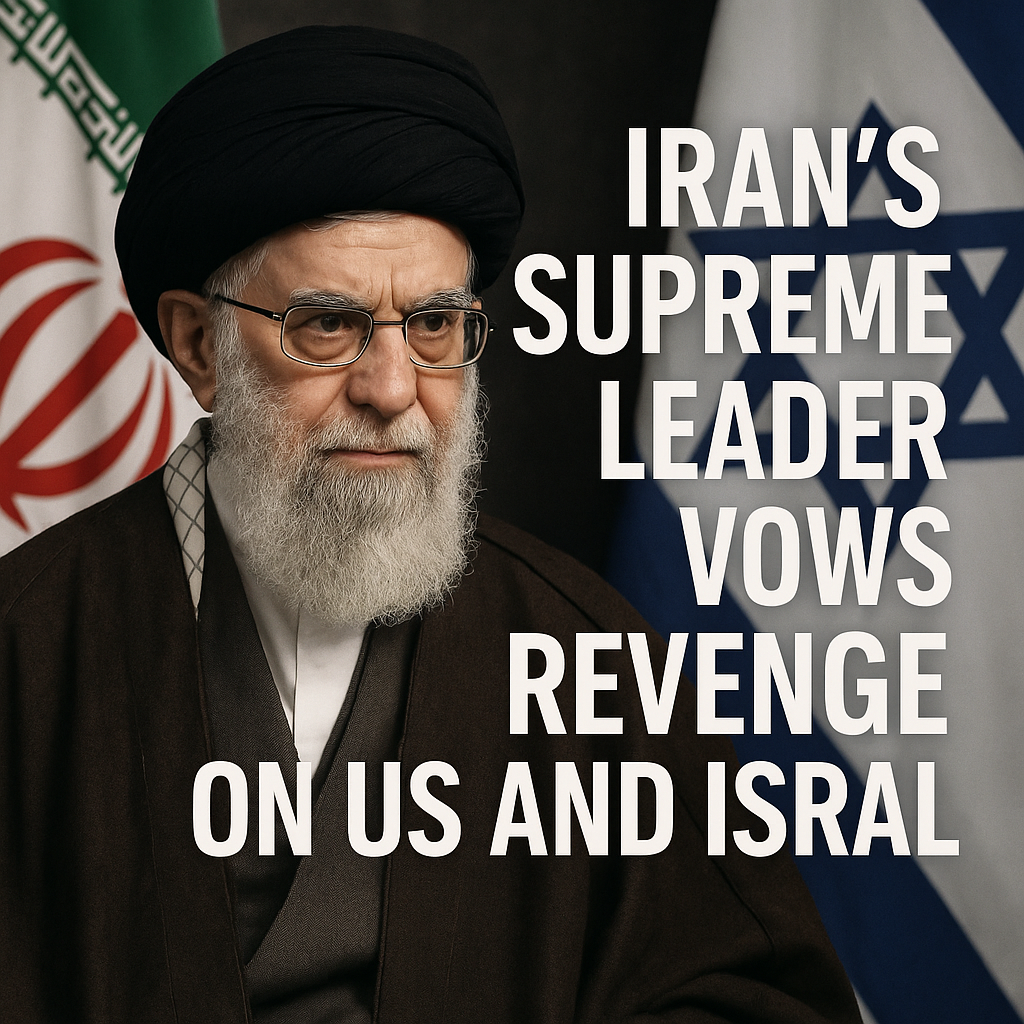
Irans Supreme Leader, Ayatollah Khamenei, recently sent a powerful message about the potential consequences of U.S. aggression, reminding us all of the deep-rooted tensions in U.S.-Iran relations and the resilience of the Iranian spirit. Join us as we unpack his compelling warnings and explore their implications for the future!
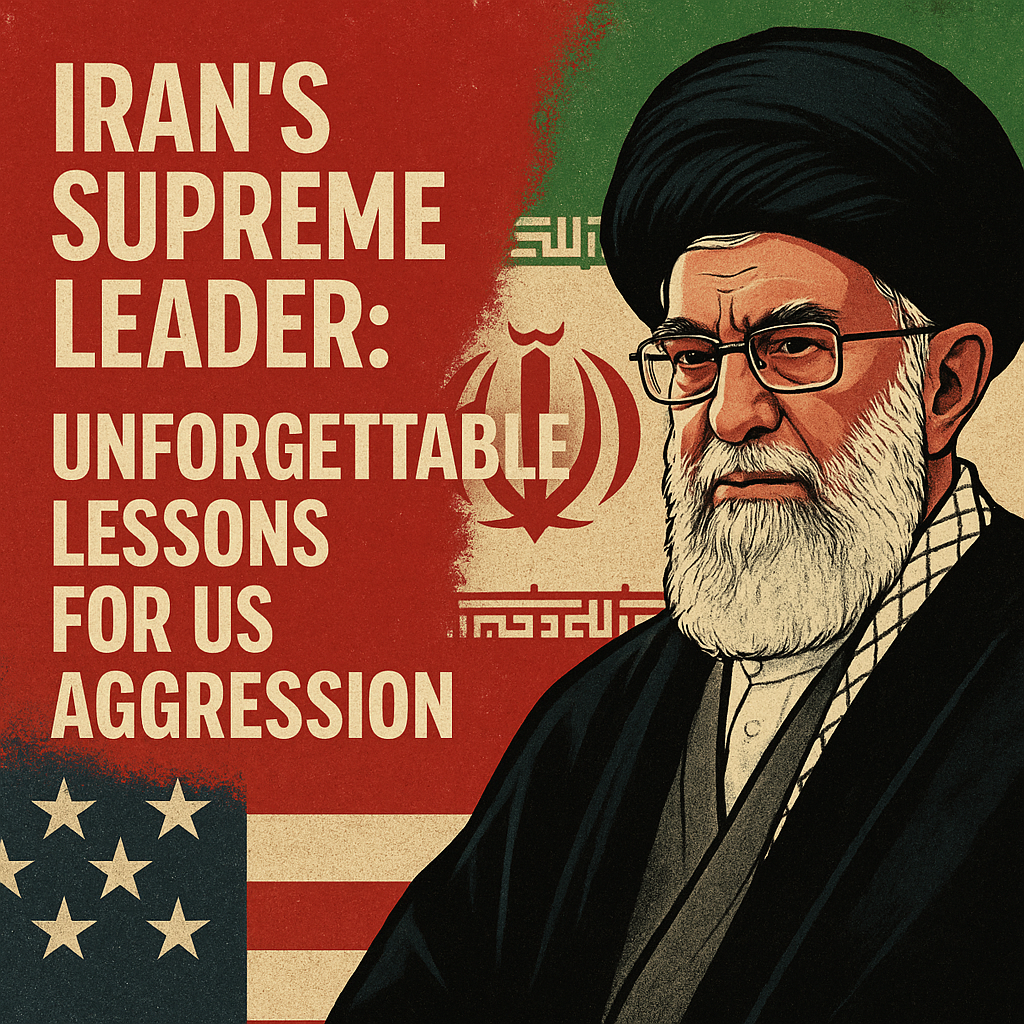
Irans Supreme Leader Ayatollah Ali Khamenei has sent a bold message, vowing to retaliate against the US and Israel, escalating the already intense tensions in the Middle East. His declaration not only reflects decades of conflict but also aims to rally national pride in the face of perceived threats.
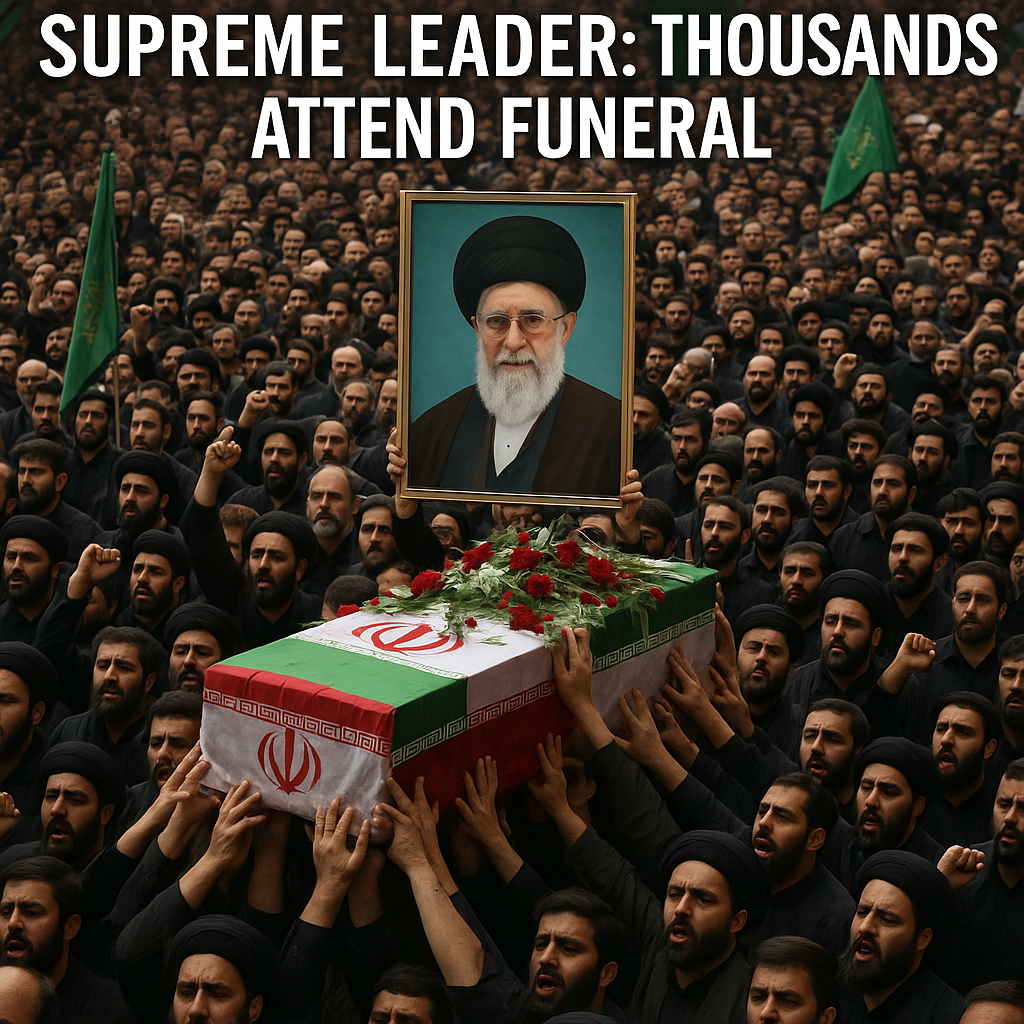
In a powerful display of grief and resilience, thousands flooded the streets of Tehran to honor Irans assassinated Supreme Leader, a poignant reminder of the nations deep-seated political and religious complexities. As banners waved and voices united in defiance, the funeral not only marked a significant loss but also hinted at the shifting sentiments among Irans younger generations yearning for change.
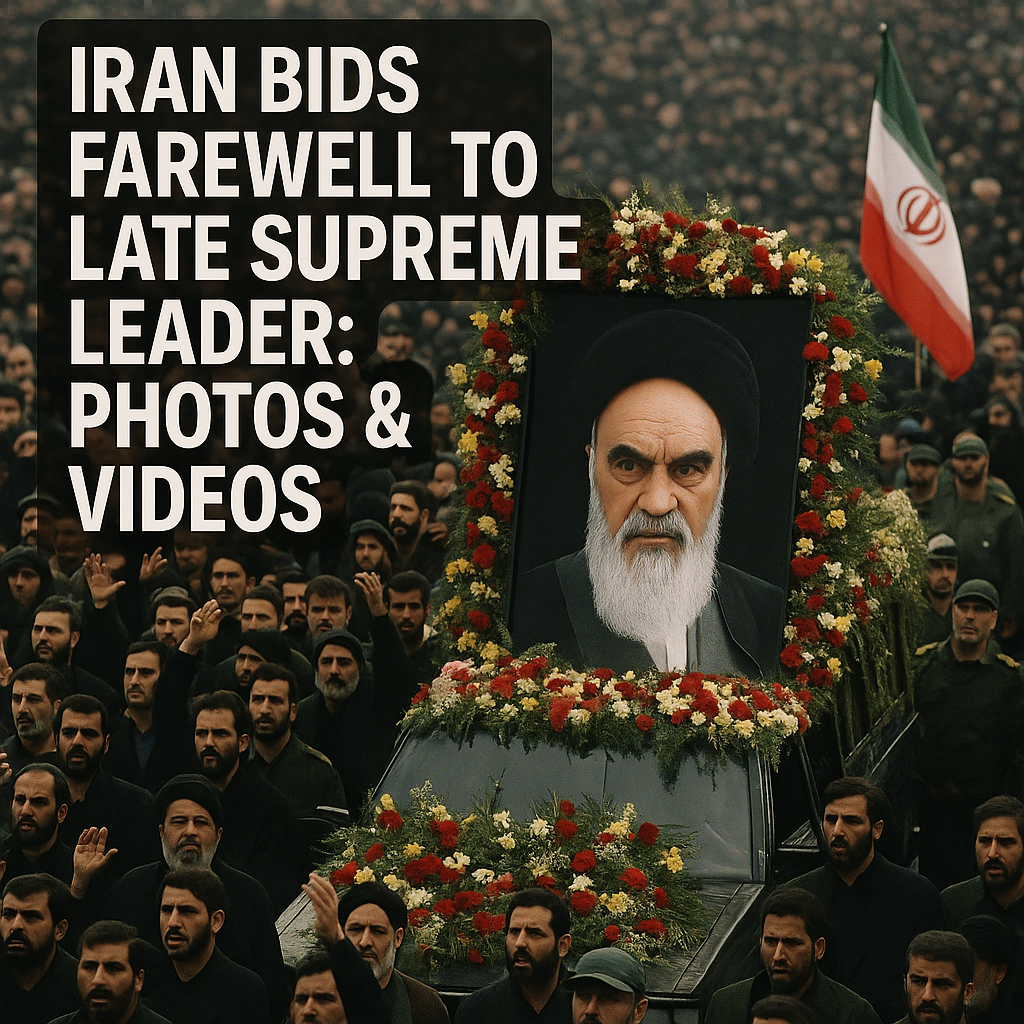
Iran recently came together in a powerful display of grief and reflection as thousands mourned the passing of Ayatollah Ali Khamenei, a leader whose legacy sparked both reverence and discontent. The poignant ceremony not only honored a pivotal figure in the nation’s history but also illuminated the complex emotions and challenges shaping Iran today.
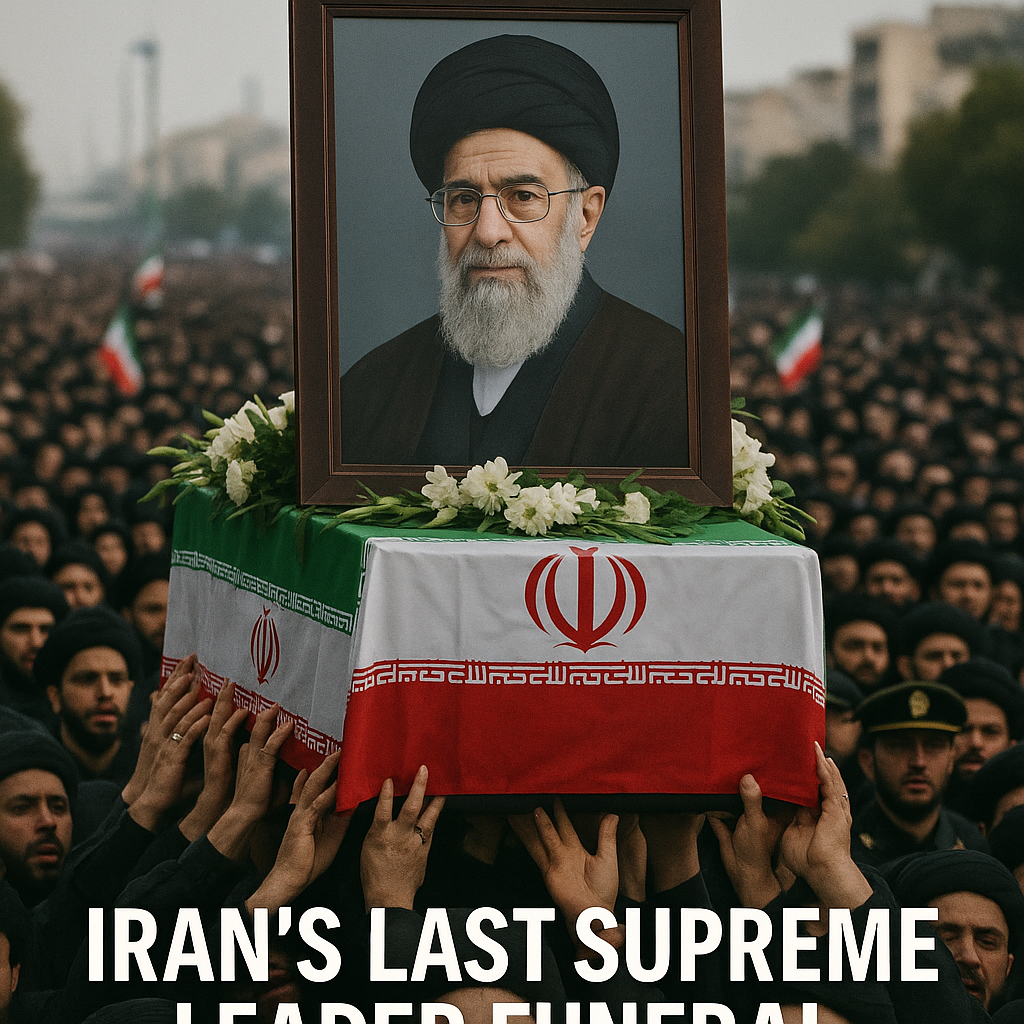
Step into a pivotal moment in Irans history with the recent funeral of the last Supreme Leader, a poignant event that stirred national pride and deep-seated tensions, reflecting the intricate dance of loyalty and longing for reform within the country. Discover how this profound farewell not only honors a legacy but also unveils the complexities of a nation at a crossroads.
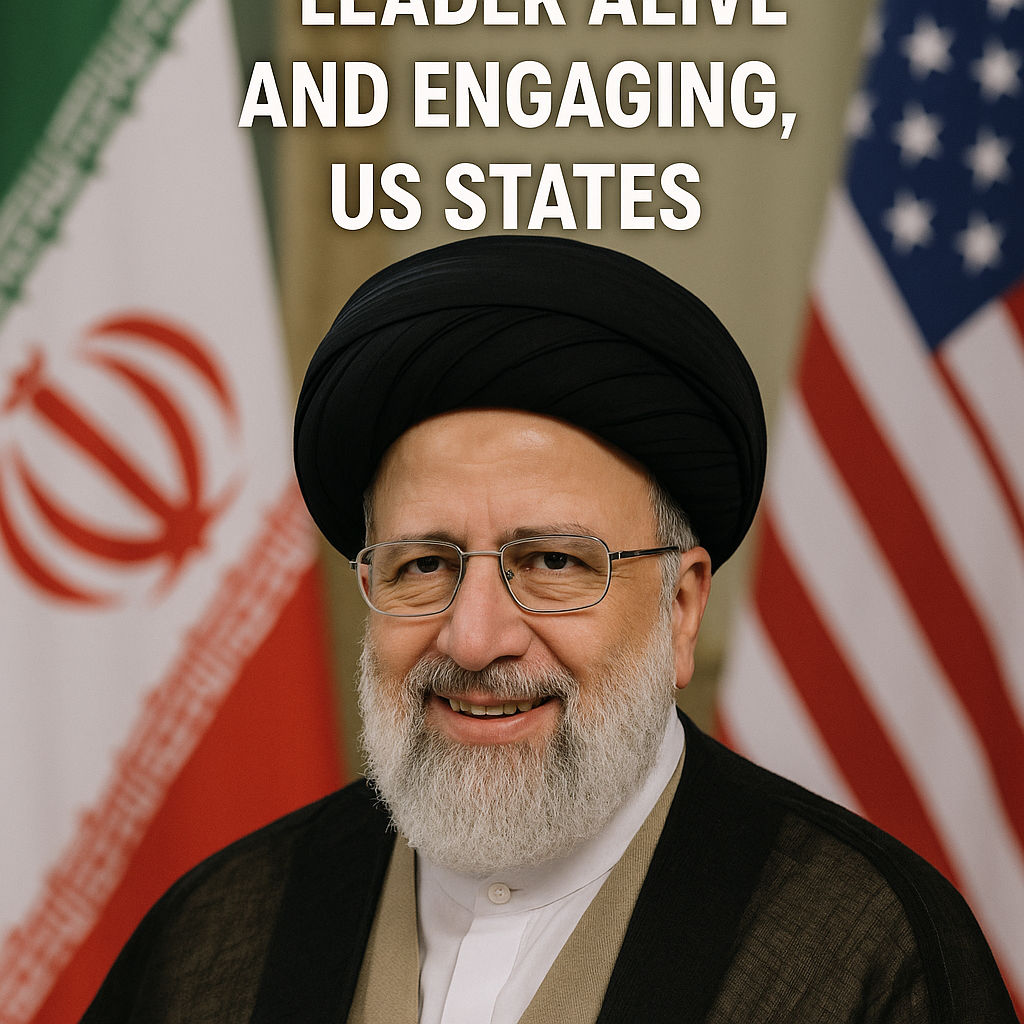
In a recent buzz from US officials, it appears Iran’s new Supreme Leader is not just alive, but actively shaping the nation’s future amidst pressing challenges. This newfound clarity could either pave the way for optimism in diplomatic efforts or signal a steadfast approach to confrontational politics—what does it mean for the region?