Iran Conflict: Why Oil Remains Near $100 a Barrel

Iran Conflict: Why Oil Remains Near $100 a Barrel
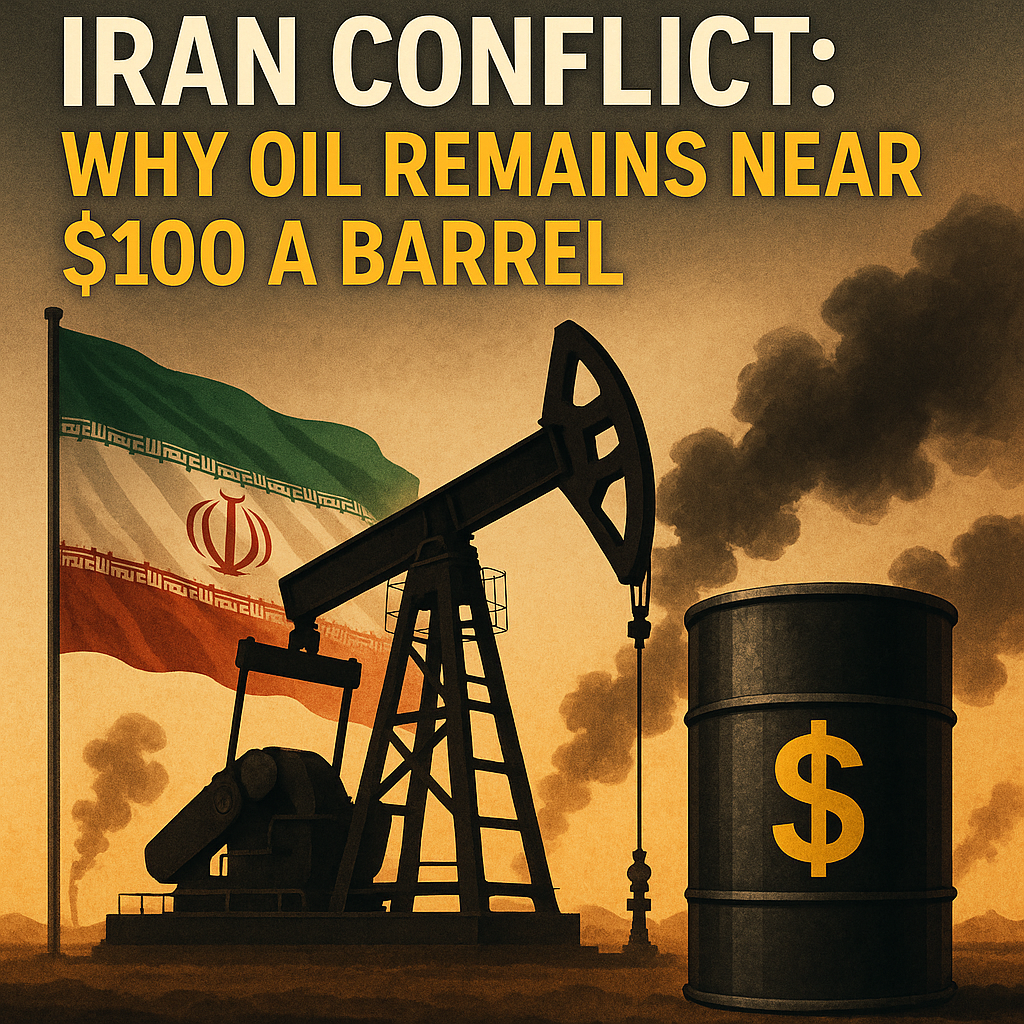
The ongoing conflict in Iran has led to heightened tensions in the global oil market, causing prices to hover near $100 a barrel. This situation reflects not merely the immediate events in the Middle East but also a complex interplay of geopolitical strategies, economic sanctions, and global supply dynamics.

Geopolitical Factors at Play
The Iranian conflict is deeply entwined with the broader geopolitical landscape of the Middle East, which significantly impacts oil production and prices. Various international players have vested interests in Iran’s oil sector, with nations like the United States and allies frequently imposing sanctions aimed at curbing Iran’s nuclear ambitions. These sanctions have notably hindered Iran’s ability to export oil, crucial to its economy and essential for global supply chains.


A report from Al Jazeera emphasizes how these sanctions have paradoxically led to higher oil prices, as reduced Iranian output adds strain to an already tight global market. In recent years, the Organization of the Petroleum Exporting Countries (OPEC) has worked to stabilize prices by adjusting production levels, often in response to changes in Iranian oil exports.


Conversely, sources from RT highlight the persistence of Iranian oil exports, particularly through clandestine routes. Despite facing sanctions, Iran has reportedly increased shipments to countries like China, demonstrating the resilience of its oil market. This situation raises the question: can oil prices remain high given that Iran is still managing to export oil in significant amounts?
Supply and Demand Dynamics
The complexities of the crude oil market are further fueled by supply and demand dynamics that extend beyond Iranian borders. As global economies recover from the COVID-19 pandemic, energy demand has surged, leading to increased competition for oil resources. The International Energy Agency (IEA) has noted a 30% rise in oil demand in various regions, particularly in Asia.
This resurgence has led to a delicate balance between supply constraints and booming demand. OPEC’s collaborative efforts to maintain price stability are essential as disruptions from geopolitical crises send ripple effects through the market. The latest reports from Sky News point toward a consistent effort from OPEC+ to manage production levels to prevent drastic price changes, highlighting the interconnected nature of global oil policies.
Furthermore, Russia’s ongoing conflict with Ukraine has exacerbated the situation, further straining European energy supplies and causing countries to seek alternatives. This ongoing instability continues to contribute to upward pressure on oil prices. An increase in oil prices seems to be a direct response to these geopolitical tensions, showcasing how interconnected the oil market is with international relations.
The Mixed Outlook for Oil Prices
Analysts hold mixed views regarding the future trajectory of oil prices, especially as Iranian oil plays a complex role in the global market. Some experts argue that if tensions between Iran and Western nations escalate, prices could continue to rise, making oil a more attractive commodity for investors and creating speculation in futures markets.
In contrast, others posit that an eventual easing of sanctions could introduce Iranian oil back into the global marketplace, significantly altering price dynamics. In this context, the recent efforts of the Iranian government to revive negotiations regarding its nuclear program suggest a landscape that could either stabilize or further destabilize oil prices.
Conclusion
The current pricing of oil near $100 a barrel is not purely a reflection of immediate market conditions but rather a multifaceted outcome of geopolitical tensions, supply constraints, and fluctuating demand. As global players navigate the intricacies of the Iranian conflict, the oil market will likely remain volatile. Stakeholders must remain vigilant to comprehend how these dynamics could evolve, aware that uncertainties continue to cloud the horizon of worldwide oil prices.