
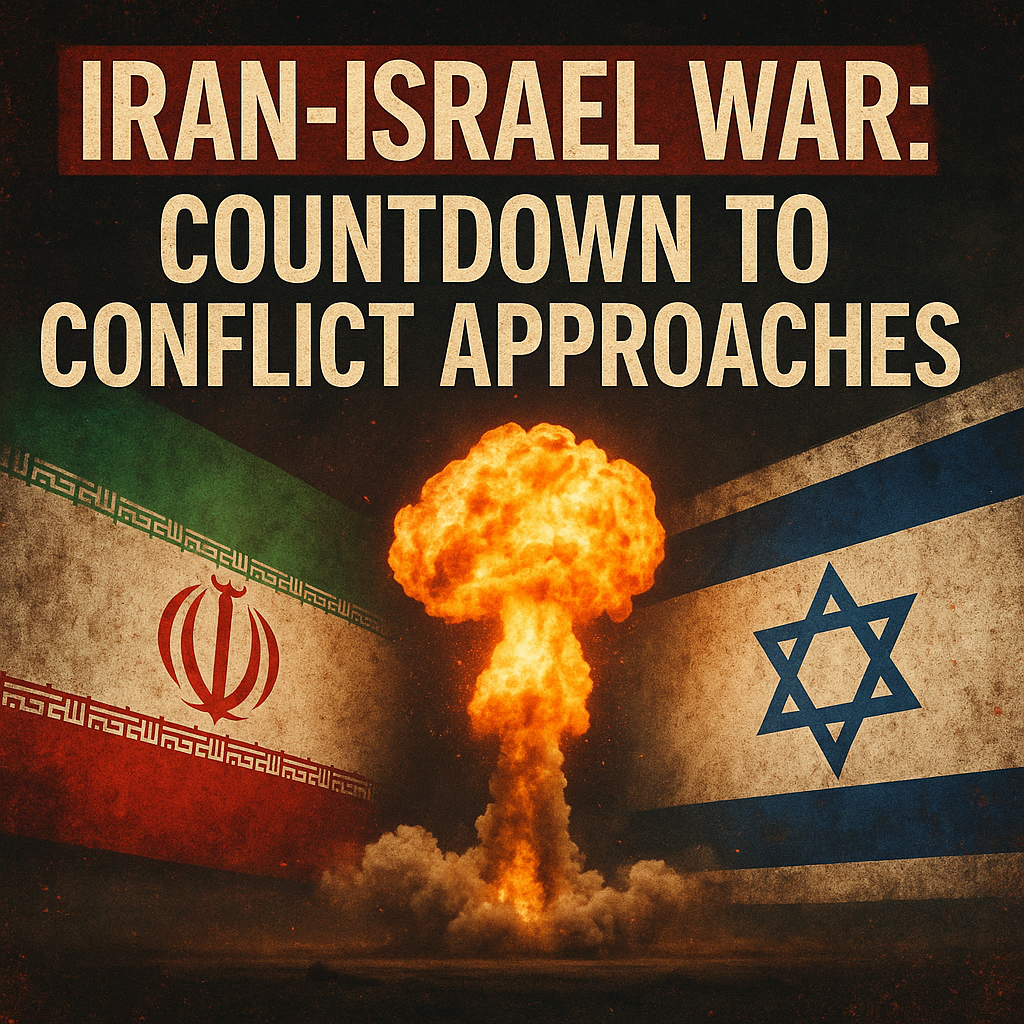
Iran-Israel War: Countdown to Conflict Approaches

Iran-Israel War: Countdown to Conflict Approaches
Tensions between Iran and Israel have escalated to a point where many analysts suggest the possibility of outright conflict looms closer than ever. The complex historical, political, and military landscapes in the region make this potential war anything but straightforward.

The Roots of Tension
The present state of affairs cannot be understood without examining decades of geopolitical rivalry. Iran and Israel have been arch-enemies since the Islamic Revolution in 1979, which replaced a pro-Western monarchy with a theocratic regime vehemently opposed to Israeli policies.


1. Nuclear Concerns: A significant flashpoint remains Iran’s nuclear program. Many countries, particularly Israel and the United States, perceive it as an existential threat. Israeli Prime Minister Benjamin Netanyahu has been vocal about his country’s willingness to take military action to prevent Iran from achieving nuclear weapon capability. Recent reports suggest that Israel is ramping up its military preparedness, hinting at a potential pre-emptive strike should tensions escalate further.


2. Proxy Conflicts: In addition to direct military threats, both countries engage in proxy conflicts throughout the region. Iran’s support for groups like Hezbollah in Lebanon and various militia groups in Syria and Iraq poses a direct challenge to Israeli security. This dynamic creates a situation where both nations are perpetually on high alert, reacting to each other’s maneuvers.
Recent Developments
Recent news suggests that the situation is deteriorating further. Reports from various sources indicate that military exercises have intensified on both sides. Al Jazeera highlights statements from Iranian military officials reinforcing their commitment to counter advancing Israeli capabilities, emphasizing the serious risks of miscalculation.
Military Movements and Warnings
An article from RT News discusses how Israel’s increased military readiness and the recent acquisition of advanced defense systems may serve as both a deterrent and a provocation. The ongoing military exercises, coupled with the rhetoric from leaders on both sides, signals that the countdown to conflict might indeed be approaching.
– Israeli Strikes: Israel has not hesitated to carry out airstrikes against Iranian interests in Syria, aiming to disrupt supply chains to Hezbollah and other militant factions. In contrast, Iranian officials argue that these acts of aggression threaten not just Iran but regional stability as a whole.
– Iranian Response: In a statement that underscores the escalating rhetoric, Iranian leaders have insisted that any attack on their territory would lead to a collective response that could engulf other nations in the region, amplifying fears of a broader war.
Despite these tensions, both parties have exhibited some caution. Analysts point out that neither Iran nor Israel seems inclined to allow a full-scale war to unfold, aware of the catastrophic consequences it would entail.
The International Perspective
Global reactions vary widely, complicating the situation further. The United States maintains a critical role in this ongoing scenario. While American support for Israel remains strong, there are voices within the U.S. government advocating for diplomatic solutions to prevent a military confrontation. According to reports from Sky News, this is particularly important as the U.S. seeks to re-engage with Iran diplomatically, especially concerning nuclear negotiations.
Similarly, European nations have expressed concern about escalating hostilities, viewing it as a potential destabilization of an already fragile Middle Eastern landscape. It’s crucial to note that past experiences in the region lead many to believe that military interventions often yield far-reaching, unintended consequences.
Diverging Opinions on Solutions
– Advocacy for Military Action: Some factions within Israel and parts of the U.S. support a military approach as a necessary evil. They argue that stopping Iran’s nuclear capabilities now is the only way to ensure long-term peace. Quotes from military analysts suggest that the window for action is closing.
– Calls for Diplomacy: On the other hand, many Middle Eastern and Western leaders advocate for negotiations, emphasizing that dialogue should replace the drumbeats of war. They argue that the risks of military action could trigger a catastrophic conflict that would negatively impact millions.
Conclusion: A Complex Path Forward
As the countdown to potential conflict between Iran and Israel seems to accelerate, the international community is caught in a web of competing interests and historical baggage. The critical question remains: will diplomacy prevail, or are we on the brink of a broader military confrontation?
Open discussions regarding the implications and potential fallout of such a conflict are vital. Regardless of the intense rivalries, lasting peace will only be achieved through dialogue and mutual understanding rather than through force. The need for a balanced approach in the complex Iranian-Israeli landscape has never been more essential, as the countdown to conflict continues to tick ever closer.















