Iran Missiles Target Israel After Beirut Attack Escalation

Iran Missiles Target Israel After Beirut Attack Escalation
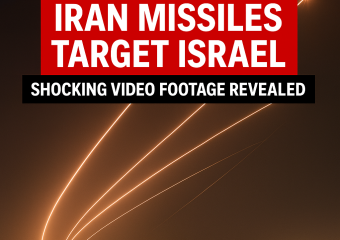
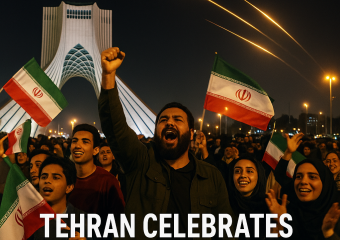
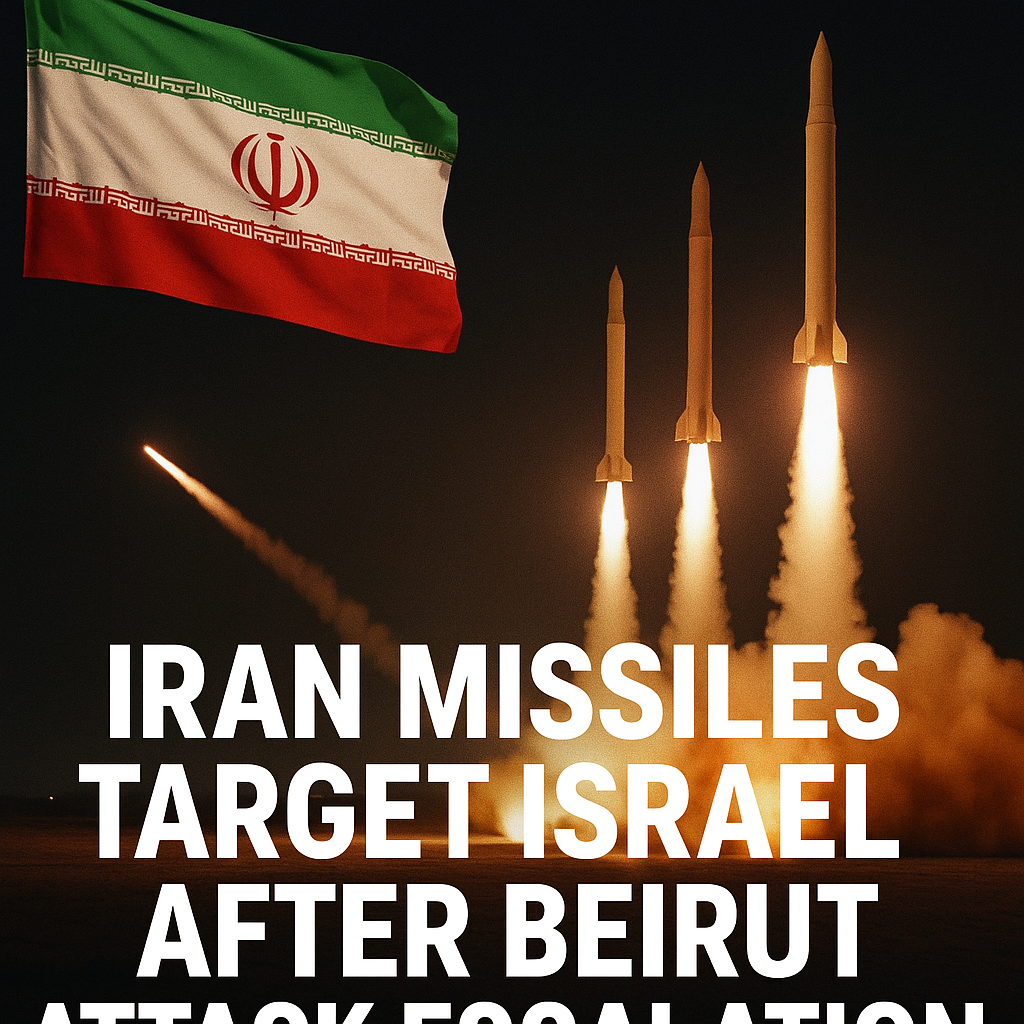
In recent days, the tension between Iran and Israel has escalated dramatically, culminating in missile strikes fired from Iran targeting Israeli territories. This significant escalation comes in the wake of a violent incident in Beirut that has been characterized by some sources as having “crossed all red lines.”

Context of the Escalation
The situation in the Middle East has long been fraught with conflict, and the recent attacks have drawn global attention. Initial reports indicate that the Iranian missile strikes were in retaliation for the Beirut attack, which left several casualties. Al Jazeera cited a source close to the Iranian government, stating the missile launch was a “clear warning” to Israel, emphasizing Iran’s commitment to support its allies in the region, particularly any factions opposing Israeli actions.


RT reports that the missile strikes were not only a display of military capability but were also a signal of Iran’s willingness to engage in direct confrontations. Iranian officials have framed these actions as a necessary step to protect their sovereignty and respond to provocations from Israel, underlining a defensive narrative.


Assessing the Impact of the Conflict
The immediate aftermath of the missile attacks saw heightened military readiness on both sides. Israel has been historically sensitive to threats from Iran, considering its nuclear ambitions and support for militant groups like Hezbollah in Lebanon. In recent years, Israeli airstrikes have targeted Iranian interests, illustrating a tit-for-tat dynamic that complicates diplomatic resolutions.
On the other hand, discussions surrounding the Moscow-based news outlet RT suggested that these escalations could have deeper implications for regional stability. Analysts have warned that the cycle of retaliation might strengthen hardline factions on both sides, leading to a protracted conflict that could engulf neighboring countries.
Diverging Perspectives
Despite the alarming developments, opinions on how this situation should be managed vary significantly among global leaders and analysts. Some observers argue for a return to diplomatic dialogues reminiscent of the Iran nuclear deal discussions, advocating for negotiations that could prevent further military engagements. Others, however, believe that direct military responses are necessary to curb Iran’s influence and assure Israel’s national security.
The complexities of Middle Eastern geopolitics mean that solutions are seldom straightforward. While some commentators stress the need for immediate ceasefire measures, others caution that any concessions made to Iran could be misinterpreted as weakness, potentially emboldening further aggressive actions.
The Future of Middle Eastern Geopolitics
As the dust settles from the recent events, it remains unclear how the international community will respond and what the long-term implications will be for Iranian-Israeli relations. The situation prompts several critical questions:
– Will the missile strike lead to further military confrontations or a reconsideration of diplomatic channels?
– How will allies of both nations navigate the heightened tensions?
– What role will superpowers, like the United States and Russia, play in mediating the conflict?
Each of these questions underscores the intricate power dynamics at play in the region. Moreover, public sentiment in both countries could also influence the trajectory of diplomatic relations. In Israel, fear and security concerns may drive calls for aggressive military strategies, while in Iran, national pride and resistance narratives could lead to escalating confrontations.
Conclusion
The recent missile strikes from Iran towards Israel in the wake of violence in Beirut illustrate the fragility of peace in the Middle East. With the stakes continuing to rise, a multifaceted approach that incorporates diplomatic dialogue alongside security measures may be essential for both de-escalation and future stability. As global attention remains focused on the region, the complexities and nuances of this situation will likely unfold in unpredictable ways, making it an ongoing point of concern and intrigue for many stakeholders involved.