Tehran Celebrations Amid Missiles Targeting Israel

Tehran Celebrations Amid Missiles Targeting Israel
Tehran’s recent festivities have drawn global attention, particularly as missiles were launched toward Israel during these celebrations. This juxtaposition of jubilation and tension highlights the complexities surrounding geopolitical events in the region.

Celebrations in Tehran: A Show of National Pride
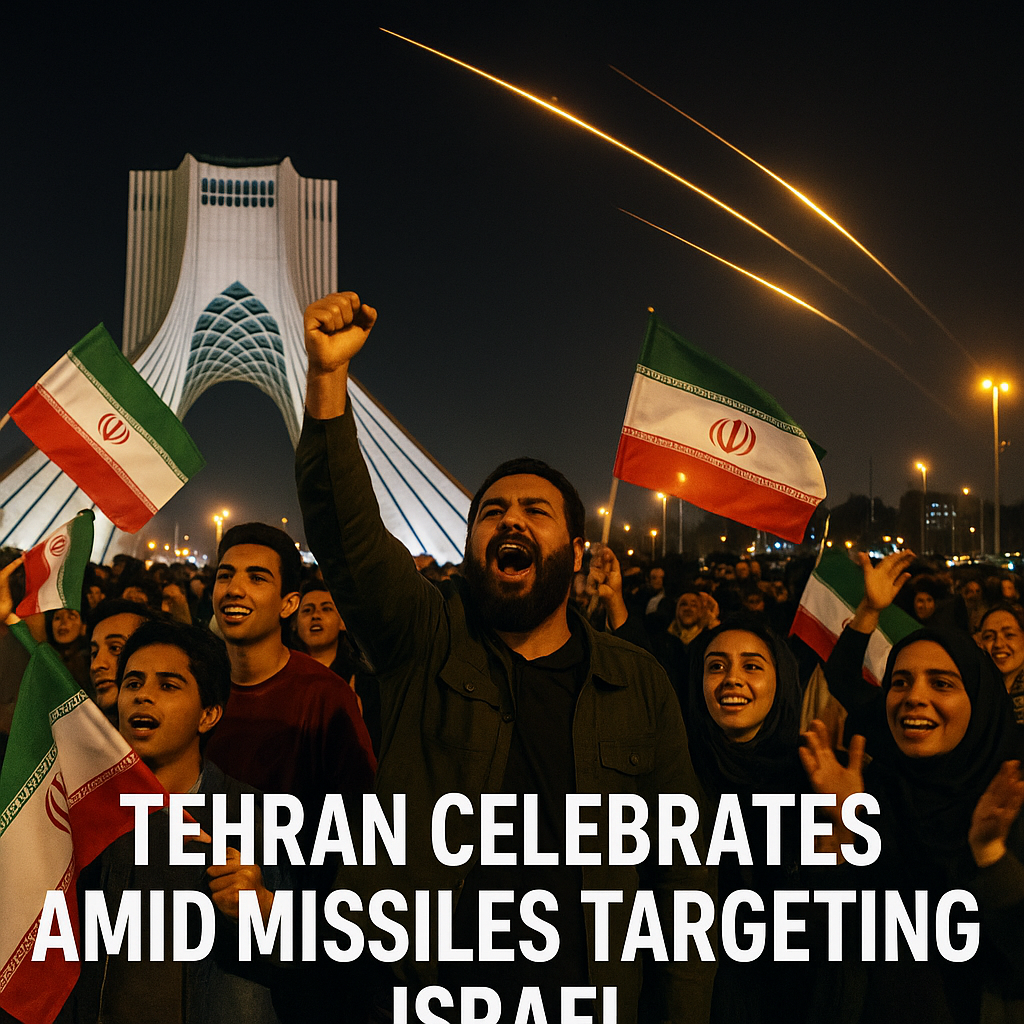
The atmosphere in Tehran was electrifying as citizens gathered to mark what was termed a moment of national pride. Many thronged the streets waving flags, chanting slogans, and expressing solidarity with their government. State media portrayed these mass gatherings as a powerful affirmation of unity against perceived threats, particularly highlighting animosity towards Israel.


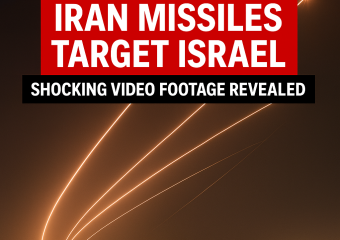
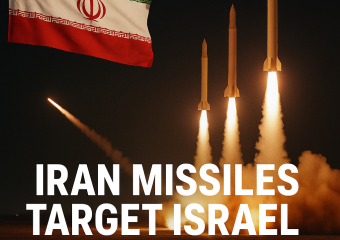
This celebration coincided with military escalations, particularly the launch of missiles that were reportedly aimed at Israeli territories. The Iranian government framed the missile launches as defensive actions, claiming they were necessary to safeguard the nation and its interests. This rhetoric of self-defense resonated strongly with the local populace, further igniting nationalistic sentiments.


Experts suggest that such celebrations serve multiple purposes for the Iranian regime. Firstly, they bolster internal support at a time when the government faces criticism over economic difficulties and social unrest. Secondly, they send a clear message to external adversaries, particularly Israel and the United States, that Iran remains resilient and defiant. The dual imagery of celebration amidst military action not only galvanizes support but also perpetuates the narrative that Iran stands resilient against its foes.
Wider Implications: Regional Tensions and International Responses
The celebrations in Tehran, set against a backdrop of military aggression, have raised alarms internationally. Analysts note that these actions exacerbate existing tensions in the Middle East, often drawing various countries into a complex web of alliances and hostilities. Countries such as Saudi Arabia and the UAE, long-time adversaries of Iran, view these celebrations and missile tests as direct provocations, increasing the likelihood of retaliatory measures.
On the global stage, thoughts and perspectives vary widely. While some nations express disdain for Iran’s show of military might and disregard for diplomatic channels, others argue that such actions highlight the urgent need for dialogue in the region. The ongoing cycle of missile launches and celebratory national pride complicates any prospect of meaningful negotiations.
The geopolitical landscape becomes even more muddled when considering reports from sources like Al Jazeera and RT. While Al Jazeera highlights the festive aspects of the celebrations, portraying them as a response to Western sanctions and pressures, RT focuses more on the military capabilities displayed by Iran. This divergence in narratives underscores the differing perspectives in international media.
Furthermore, public reaction in Israel has been notably concerned. Reports indicate that Israel’s defense forces are on high alert, interpreting Iran’s missile tests and the accompanying celebrations as significant threats. The fear of escalated conflict reignites discussions about Israel’s security strategy and its relationship with allies, particularly the United States, which traditionally favors a hard line against Iran.
The Path Ahead: A Complicated Future
The blend of joyous celebrations against a backdrop of military prominence in Tehran reveals a landscape filled with impending uncertainty. Events such as these challenge traditional narratives around warfare and diplomacy. While Iranian citizens express support for their government through rallies and displays of national pride, the international community remains apprehensive about the implications of such actions.
As geopolitical dynamics continue to shift, the evidence suggests that both internal pressures within Iran and external threats from rival nations will dictate future actions. Whether these celebrations lead to increased aggression or a turn toward diplomatic engagements remains to be seen. The prospect of dialogue seems slim, as both sides harbor significant mistrust, further complicating the quest for peace in a region historically mired in conflict.
In conclusion, while Tehran’s celebrations may appear as merely a local expression of national pride, they play a pivotal role in shaping the entire Middle Eastern theater. The juxtaposition of festivities with military advances serves as a stark reminder of the ongoing complexities surrounding regional identities, state power, and the quest for security. As the situation evolves, the world watches, hoping for clarity amid the noise of celebration and hostility.