Iran Opens Communication Channel on US MoU After Qatar Talks

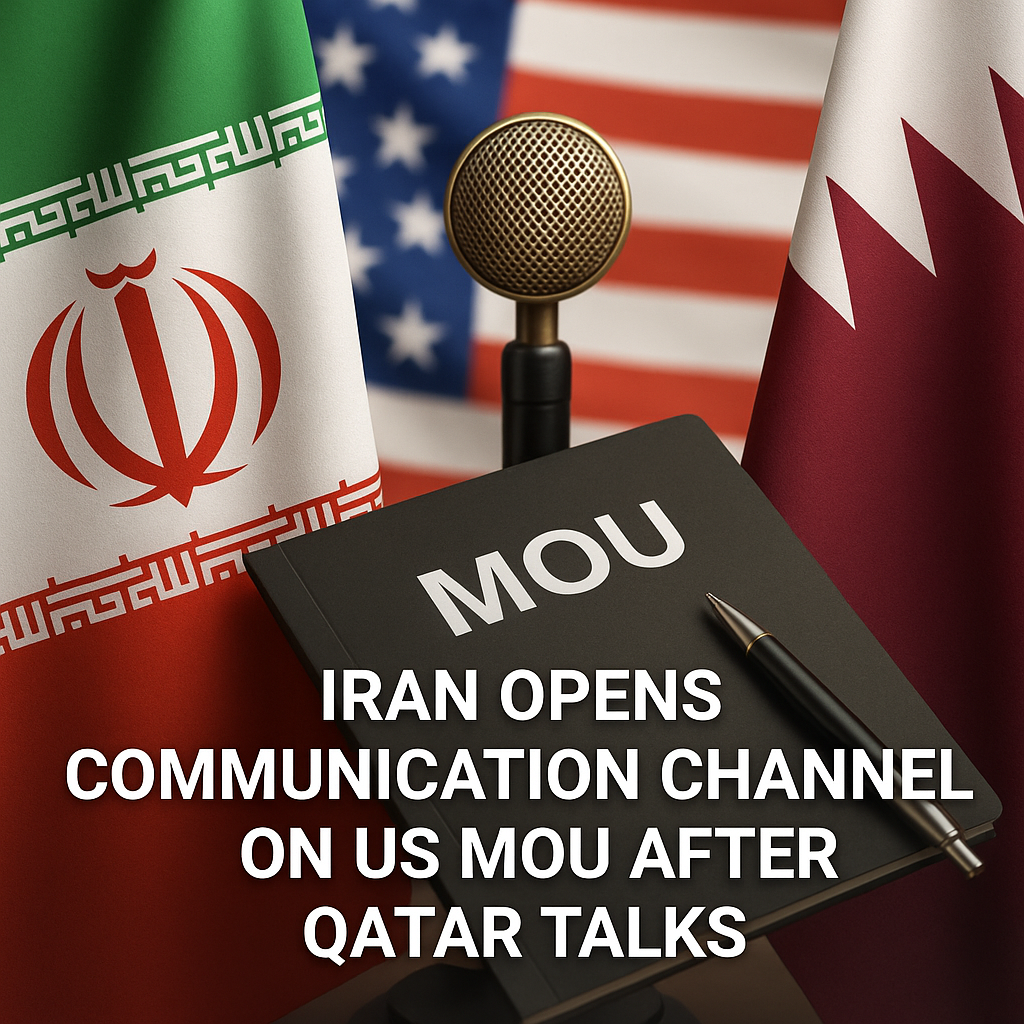
Iran Opens Communication Channel on US MoU After Qatar Talks
Following recent diplomatic engagements, Iran has announced the opening of a communication channel with the United States regarding a memorandum of understanding (MoU) that could reshape future interactions between the two nations. This development, stemming from talks held in Qatar, underscores a significant shift in dialogue and potential cooperation amidst a backdrop of longstanding tensions.

The Context Behind the Communication
Iran’s decision to establish this communication channel comes after months of strained relations, exacerbated by issues such as nuclear negotiations, regional security, and economic sanctions. The discussions in Qatar are being viewed as a pivotal moment, offering a platform to address mutual concerns and pave the way for constructive dialogue.


While both nations have historically maintained wary stances toward each other, the situation has evolved, especially with the ongoing geopolitical complexities in the Middle East. The engagement in Qatar marked a unique opportunity for diplomats from both sides to explore common ground, given shifting power dynamics in the region and the global landscape influenced by recent conflicts.


Diverse Perspectives on the Development
Opinions regarding this new communication channel vary significantly among experts and analysts. On one hand, some commentators are cautiously optimistic about the potential for de-escalation. They argue that establishing a direct line of communication could assist in mitigating misunderstandings and reducing the risk of military confrontations. According to a report by Al Jazeera, “Opening a dialogue signifies an acknowledgment from both countries that certain issues require diplomatic solutions rather than military ones.”
On the other hand, detractors remain skeptical about the efficacy of such channels, pointing to Iran’s previous interactions with the U.S. as indicative of a pattern where dialogues often lead to minimal substantive changes on the ground. Analysts from RT highlight that “historical precedents suggest that without significant concessions or guarantees, these communications may merely serve as a platform for rhetoric rather than real change.”
Key Implications of the MoU Discussion
The opening of a communication channel raises several pivotal questions regarding the future of U.S.-Iran relations. What specific elements will this MoU encompass? Will it address the contentious issues surrounding Iran’s nuclear program, or will it extend to broader security concerns in the region?
As both nations prepare to navigate this uncertain landscape, the potential implications extend beyond bilateral relations. For neighboring countries and broader international stakeholders, the outcome of these discussions could either stabilize or further complicate the regional balance of power. Furthermore, the reaction from allied states in the region, particularly those who are traditionally aligned with the U.S., will likely influence the trajectory of future negotiations.
Experts note that both the U.S. and Iran must approach this new chapter with a strategic mindset. Transparency, sincerity, and resolve will be critical in determining whether this communication channel can yield tangible outcomes.
Moving Forward: A Cautious Optimism
While it is too early to draw definitive conclusions regarding the impact of Iran’s newly established communication channel with the U.S., the groundwork laid in Qatar represents a significant development in diplomacy. The differing perspectives on the potential for meaningful dialogue highlight the complexity of the situation.
In conclusion, as both countries embark on this renewed phase of negotiations, the global community will be watching closely. The effectiveness of the communication channel, paired with the forthcoming discussions of the MoU, will ultimately depend on both sides’ willingness to engage with genuine intent and an openness to compromise. The journey toward normalization remains fraught with challenges; however, this step towards dialogue is an undeniably hopeful sign in a long-standing conflict.