US Signs Lease with Israel for Permanent Embassy in Jerusalem

US Signs Lease with Israel for Permanent Embassy in Jerusalem
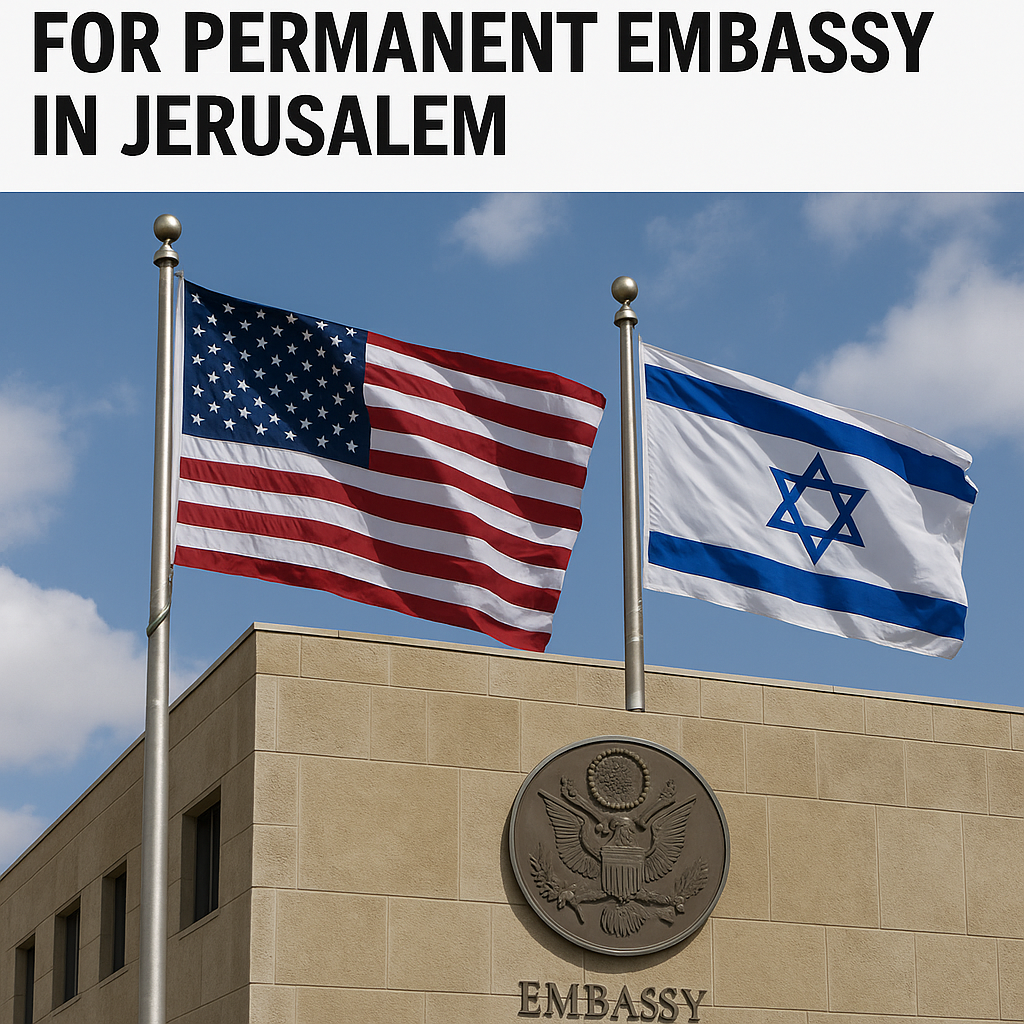
The recent decision by the United States to sign a lease for a permanent embassy in Jerusalem marks a significant evolution in U.S.-Israel relations and continues to stir political debate both domestically and internationally. With the lease officially inked, the United States solidifies its commitment to Jerusalem as Israel’s capital, a stance that has implications across geopolitical, cultural, and social dimensions.

Diplomatic Ramifications
The move to establish a permanent embassy in Jerusalem has been praised by supporters who argue that it is a recognition of Israel’s historical and modern significance. Advocates assert that this step strengthens U.S.-Israel ties, which many view as a cornerstone of stability in the Middle East. According to an article from Al Jazeera, supporters within the Israeli government have heralded the decision as a reaffirmation of their sovereignty over the city.


However, the decision is not without its detractors. Critics, including representatives from various Palestinian factions and numerous international observers, argue that it undermines the peace process and sends a controversial message regarding the rights and claims of Palestinian refugees. By asserting Jerusalem as the undivided capital of Israel, some warn that it exacerbates existing tensions and diminishes prospects for a negotiated two-state solution. An article from RT highlights protest sentiments where some Palestinian leaders have condemned the U.S. move as a violation of international consensus regarding Jerusalem’s status.


Cultural and Historical Context
The significance of Jerusalem transcends political boundaries; it is a city of immense cultural and historical value to multiple faiths. For Jews, it holds religious significance tied to historic temples, while for Muslims, the Al-Aqsa Mosque represents one of the holiest sites in Islam. The U.S.’s decision to further entrench its embassy in Jerusalem complicates the multilayered narrative of this divided city.
The announcement of the lease also comes against a backdrop of broader national and global discussions about religious freedom, human rights, and historical justice. Some communities fear that the U.S. decision could embolden more assertive Israeli policies towards Palestinians in East Jerusalem and beyond. Sky News reported that tensions in the area have consistently flared in response to actions seen as encroachments on Palestinian rights, with recent protests amplifying calls for international intervention.
A Divided Reception
Public opinion regarding the U.S. signing the lease for a permanent embassy is varied. Supporters often cite the need for a strong ally in Israel against regional threats, particularly from Iran and various militant groups. They argue that a permanent diplomatic presence in Jerusalem allows the U.S. to engage more effectively in Middle Eastern diplomacy.
Conversely, dissenting views emphasize the need for a balanced approach to the Israeli-Palestinian conflict. Critics argue that solidifying the embassy’s location in Jerusalem could alienate moderate voices on both sides, complicating efforts towards peacebuilding. They advocate for a diplomacy that recognizes the rights and aspirations of Palestinians as well, as articulated by many human rights organizations and some international leaders.
Conclusion: The Path Ahead
As the U.S. officially embarks on this new chapter of its embassy presence in Jerusalem, the implications of this reality continue to unfold. While it is a significant logistical step, the long-term effects on U.S.-Israel relations and the broader Middle Eastern geopolitical landscape remain to be seen. The challenge will be for the U.S. to navigate these waters carefully—balancing the affection for its ally Israel while also addressing the legitimate grievances of the Palestinian people.
The signing of the lease evokes a complex set of narratives that intertwine historical legacies, present realities, and future possibilities. Whether this decision fosters a deeper alliance between the U.S. and Israel or complicates the road towards peace in the region will depend heavily on the actions that follow this milestone. Whatever the outcome, this decision marks a pivotal moment in the continuing saga of Jerusalem, the Middle East, and international diplomacy.