Iran Ready to Move Forward in US Deal Negotiations

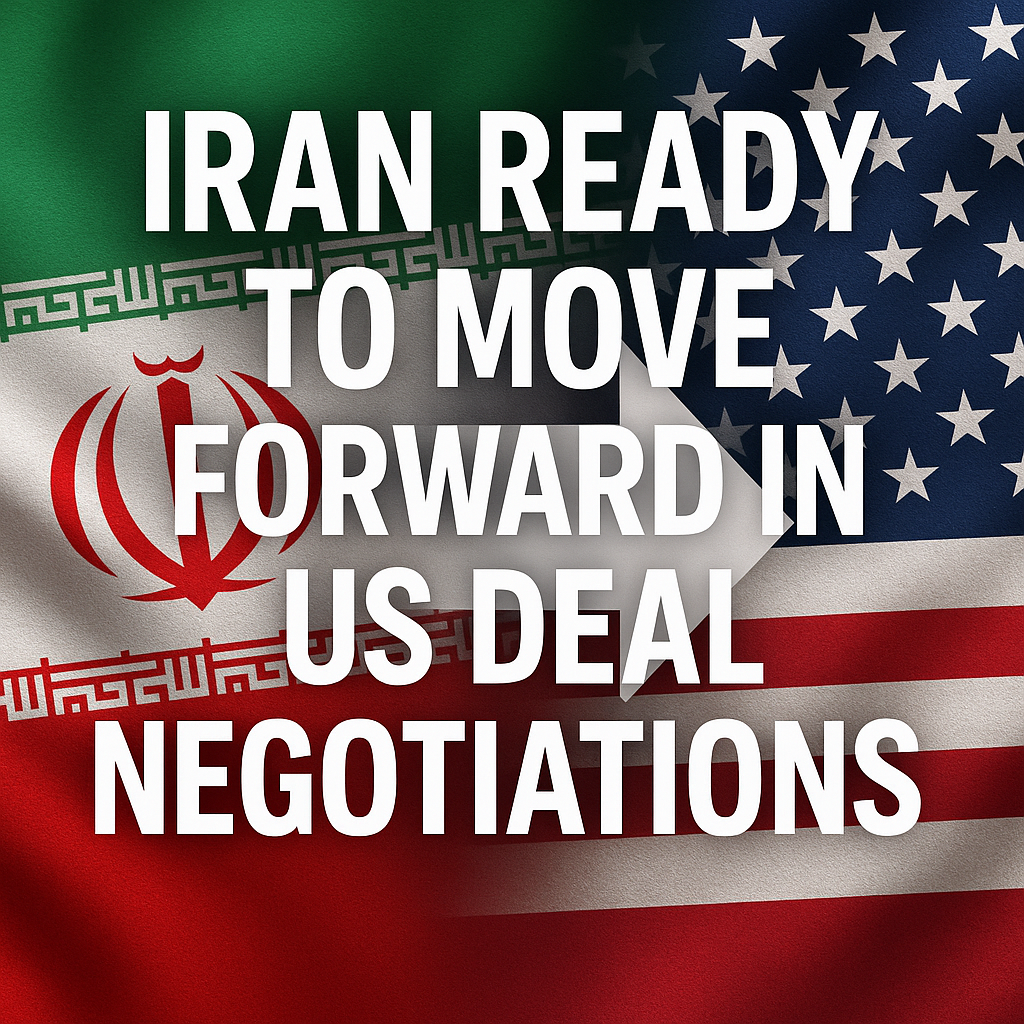
Iran is preparing to advance in negotiations concerning a potential deal with the United States, a development that could significantly alter the geopolitical landscape. Amid ongoing tensions and complex relationships in the region, these negotiations represent not just diplomatic maneuvering, but also the potential for economic relief and a shift in strategic alliances.

Context of the Negotiations
The backdrop of Iran’s readiness to negotiate involves a myriad of international dynamics, including the lingering impacts of the U.S. withdrawal from the Iran nuclear deal in 2018. This event marked a significant turning point, leading to heightened tensions and the imposition of stringent sanctions on Iran, affecting its economy and increasing isolation. The Iranian government, faced with domestic pressures and a struggling economy, seems poised to revisit discussions that could lead to a more stable relationship with the U.S.


Iranian Deputy Foreign Minister Ali Bagheri Kani recently stated that the nation is “fully prepared to move forward” with negotiations, signaling a possible shift towards compromise. This statement has elicited varied responses from international observers and stakeholders, each interpreting Iran’s overtures through their own strategic lenses.


Diverging Perspectives on Iran’s Intentions
Optimistic Outlooks
Proponents of a diplomatic resolution argue that Iran’s willingness to engage reflects a recognition of the detrimental effects of sanctions. According to analysts, this readiness could pave the way for a new agreement not only concerning nuclear activities but also addressing regional security concerns, such as missile programs and proxy conflicts. Reports indicate that there may be an eagerness from both sides to stabilize relations, particularly with the U.S. facing increased pressure from European allies to re-engage diplomatically.
Moreover, economic realities play a critical role in Iran’s outreach. The Islamic Republic is grappling with inflation and a workforce facing severe challenges, making it imperative to seek relief through improved trade relations. The potential for sanctions relief could lead to much-needed economic revitalization, soothing domestic unrest and potentially stabilizing the regime.
Skepticism and Caution
Conversely, some experts express skepticism about the intentions behind Iran’s recent statements. Critics argue that despite the surface-level willingness to negotiate, there may be underlying motives that could complicate discussions. Iran has previously engaged in negotiations while continuing activities that the West views as concerning, such as advancements in its nuclear capabilities.
Furthermore, geopolitical analysts caution that Iran’s move could be a strategic facade, aiming to deflect pressure while continuing its regional ambitions. Reports suggest that negotiations could be delayed or obstructed by Iran’s demands, which include the lifting of sanctions and protections for its regional allies, potentially complicating the process.
Conclusion: A Complex Path Ahead
As discussions between Iran and the U.S. gain momentum, the path forward is fraught with complexities. While there is a common desire among some factions for diplomatic engagement, deep mistrust persists. This duality highlights the challenges both nations face in navigating their relationship and the broader Middle Eastern context.
Whether these negotiations will result in a comprehensive deal remains an open question, one that hinges not only on the dialogues that unfold but also on the reactions of regional players and international stakeholders. With each party assessing its position, the coming weeks could prove critical in shaping not only Iran’s immediate future but also the broader geopolitical landscape.