Iran Reconstruction Fund: $300bn MoU Sparks US Debate

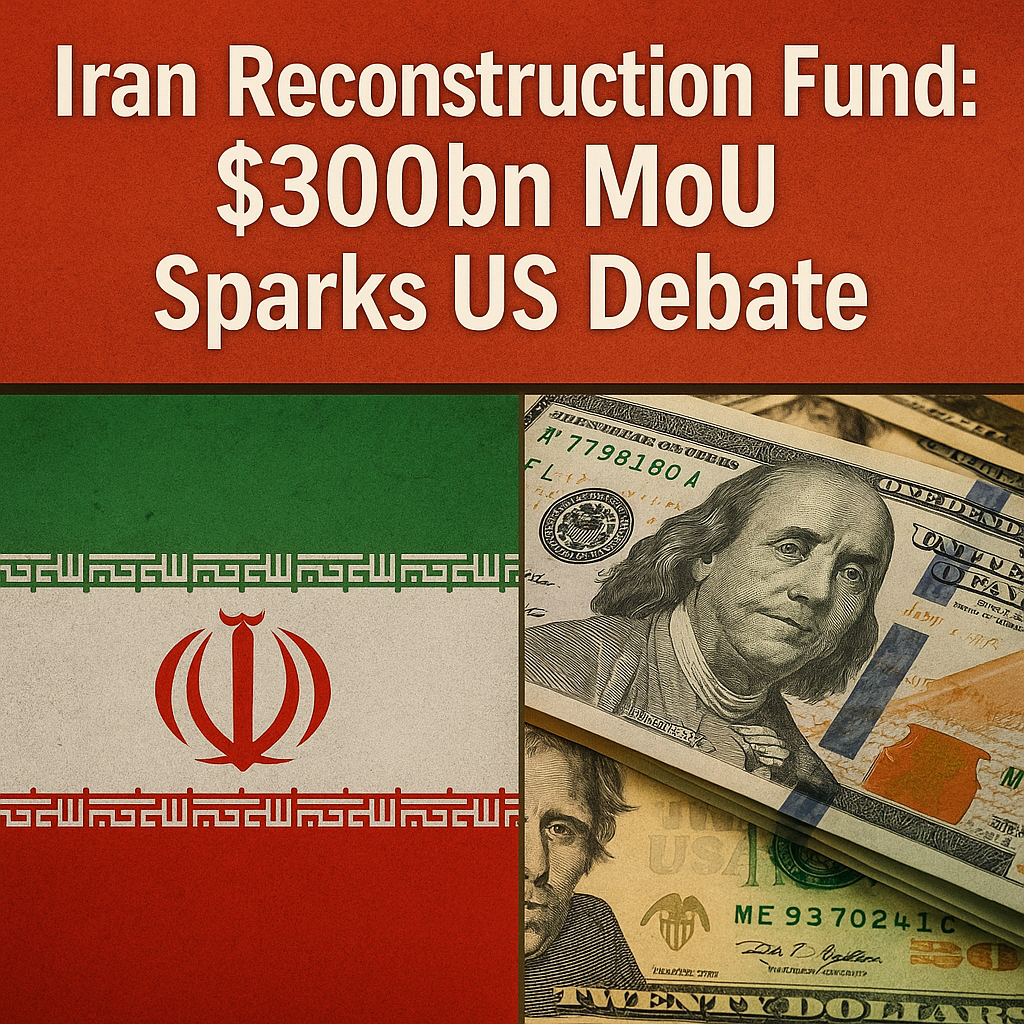
Iran Reconstruction Fund: $300bn MoU Sparks US Debate
The recent Memorandum of Understanding (MoU) concerning a $300 billion Iran Reconstruction Fund has ignited a heated debate within the United States. This initiative, aimed at rebuilding Iran in the wake of economic sanctions and regional instability, presents multifaceted implications that policymakers, analysts, and the public are grappling with.

The Context of the MoU
The MoU, signed between Iran and several international partners, including Russia and China, aims to channel foreign investments into Iran’s infrastructure and various sectors, including energy, transportation, and technology. The agreement seeks to offset the debilitating effects of decades of economic sanctions, particularly those reinstated or intensified during the Trump administration.


Iranian officials are optimistic about the deal, emphasizing its potential to reinvigorate a struggling economy. This sentiment is echoed in discussions among global partners who view Iran as a mixture of opportunities due to its natural resources and strategic location. However, the prospect of a $300 billion investment raises eyebrows in the U.S. political arena, where the response has been polarized.


US Reactions: Divergent Viewpoints
On one side of the U.S. debate are proponents who argue that engaging with Iran through economic collaboration may pave the way for greater diplomatic relations. They contend that facilitating economic growth can lead to improved stability in the Middle East. This perspective resonates with some lawmakers who believe that the U.S. should shift its approach from strict sanctions to a more nuanced one that encourages Iran’s reintegration into the global economy.
Conversely, opponents of the MoU warn against fostering ties with Iran, a nation they label as a state sponsor of terrorism. Concerns about financing potential military endeavors or destabilizing regional alliances weigh heavily in congressional rhetoric. These critics argue that any investment in Iran could undermine U.S. interests in the region, particularly given the historical context of hostility and conflict.
Prominent voices within U.S. politics, including members of the Republican Party, have urged for a strong response. They express fears that the agreement may embolden Iran’s influence in the region and lead to further unrest. Conversely, some Democrats are advocating for a recalibration of U.S. strategy, suggesting that economic opportunities could act as a deterrent to aggression.
The Role of International Allies
The involvement of Russia and China in the MoU cannot be understated, as both countries are eager to establish stronger ties with Iran, especially amidst Western sanctions. This dynamic adds another layer of complexity, with some U.S. analysts worrying that the deal may encourage an axis of anti-Western sentiment, potentially eroding U.S. allies’ confidence in American leadership.
Furthermore, the alignment of these countries with Iran may alter the geopolitical landscape. A flourishing Iran could serve as a counterbalance to U.S. interests, allowing Russia and China to expand their influence in the Middle East. This scenario raises questions about how the U.S. will adapt its foreign policy strategies in response.
Evaluating Uncertainties and Implications
Despite the clearly articulated positions in Washington, there remains a degree of uncertainty surrounding the MoU’s long-term implications. Early reactions highlight the stark divide between engaging with Iran as a means of influence versus decades of entrenched skepticism.
The larger question many are left pondering is whether economic engagement will lead to constructive behaviors from Iran or whether it will further entrench adversarial stances. The answer may not be immediate, but the consensus among some analysts is that diplomacy should not be entirely dismissed. Balancing economic considerations with national security interests presents a challenge that U.S. policymakers will need to navigate carefully.
In conclusion, the $300 billion Iran Reconstruction Fund serves not only as an ambitious project for Iranian growth but also as a significant flashpoint in U.S. domestic and foreign policy debates. The differing viewpoints amongst American lawmakers highlight the complexity of international relations, particularly when combined with historical tensions. As the situation unfolds, both proponents and detractors of the deal will be closely watching its developments, assessing not just its economic impacts but also its geopolitical ramifications.