US Military Lifts Naval Blockade of Iranian Ports

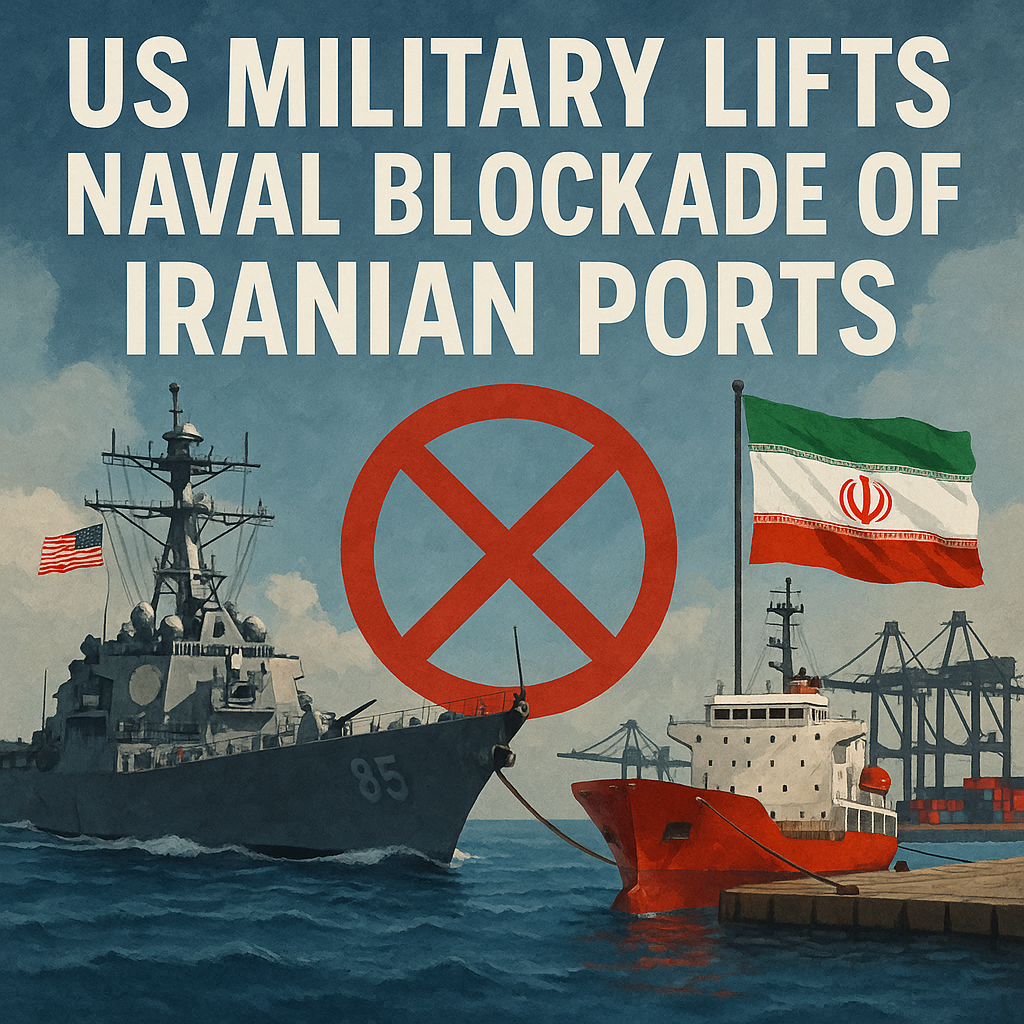
The recent decision by the US military to lift its naval blockade of Iranian ports marks a significant shift in geopolitical dynamics in the Persian Gulf. This move and its implications are being closely monitored by nations around the world, particularly those with vested interests in Iran’s maritime activities.

Understanding the Context of the Naval Blockade
The naval blockade was initially implemented as part of heightened tensions between the US and Iran, particularly following the Trump administration’s re-imposition of sanctions in 2018. The blockade aimed to restrict Iran’s ability to export oil and arms, which was perceived as a means to curtail its regional influence. Lifting the blockade could signal a de-escalation in hostilities as well as an opening for diplomatic discussions.


Diverse Perspectives on the Lifted Blockade
The lifting of the blockade has elicited a variety of responses, reflecting the complexity of international relations in the region. Supporters of the move, including diplomatic analysts, argue that easing maritime restrictions may facilitate trade and promote stability in the region. “A more open approach could foster a climate conducive to negotiating a new nuclear deal, which has been stalled for months,” says Sarah Johnson, a Middle East expert. This perspective underscores a potential pathway for the US to re-engage with Iran on matters beyond sanctions, potentially paving the way for improved diplomatic relations.


Conversely, critics of the decision express caution, underscoring that lifting the blockade might embolden Iran’s activities in the Gulf. Such concerns are particularly pronounced among Gulf Cooperation Council (GCC) states that feel threatened by Iran’s military capabilities and its influence across regional proxy groups. An anonymous official from one GCC country commented, “The US must remain vigilant; lifting restrictions could inadvertently allow Iran to bolster its destabilizing actions in neighboring nations.”
Possible Implications for Regional Security
The decision to lift the blockade has broader implications for regional security that merit examination. The easing of restrictions might invite more significant shipping traffic through the Strait of Hormuz, a critical chokepoint through which a significant percentage of the world’s oil supply is transported. Increased maritime activity raises concerns about the potential for confrontations between military forces from Iran, the US, and its allies.
Moreover, analysts have pointed out that lifting the blockade may influence Iran’s partnership with other nations, especially Russia and China, who have longstanding interests in the region. These countries may perceive the decision as a moment to deepen economic ties with Tehran. For instance, a report from Al Jazeera indicates that Iran is keen to leverage its strategic position to cultivate deeper economic relationships, thus reducing its isolation and enhancing its regional standing in the eyes of its partners.
The Role of International Diplomacy
At the heart of these developments lies the role of international diplomacy. Many hope that the US’s decision could act as a catalyst for renewed dialog regarding Iran’s nuclear program and its broader regional activities. The US government is reportedly considering the re-establishment of a diplomatic channel aimed at addressing concerns related to Iran’s ballistic missile program and its influence over regional conflicts. This could potentially lead to a structured framework for negotiations that benefits all parties involved.
However, significant hurdles remain. Trust between the US and Iran is historically frail, and the lifting of the blockade alone may not suffice to restore goodwill. Analysts caution that the complexities inherent in Iranian domestic politics and its regional strategies may still impede progress.
In conclusion, while the lifting of the US military’s naval blockade of Iranian ports signifies a potential thaw in tensions, the myriad consequences it may unleash warrant careful consideration. From enhancing diplomatic avenues to addressing security risks in the Gulf, the international community will be watching closely to see how this pivotal moment unfolds in the shifting landscape of Middle Eastern politics.