Iran Retaliates: Missile Strikes Target US Forces (VIDEO)

Iran’s Retaliation: An Escalating Tension in the Middle East
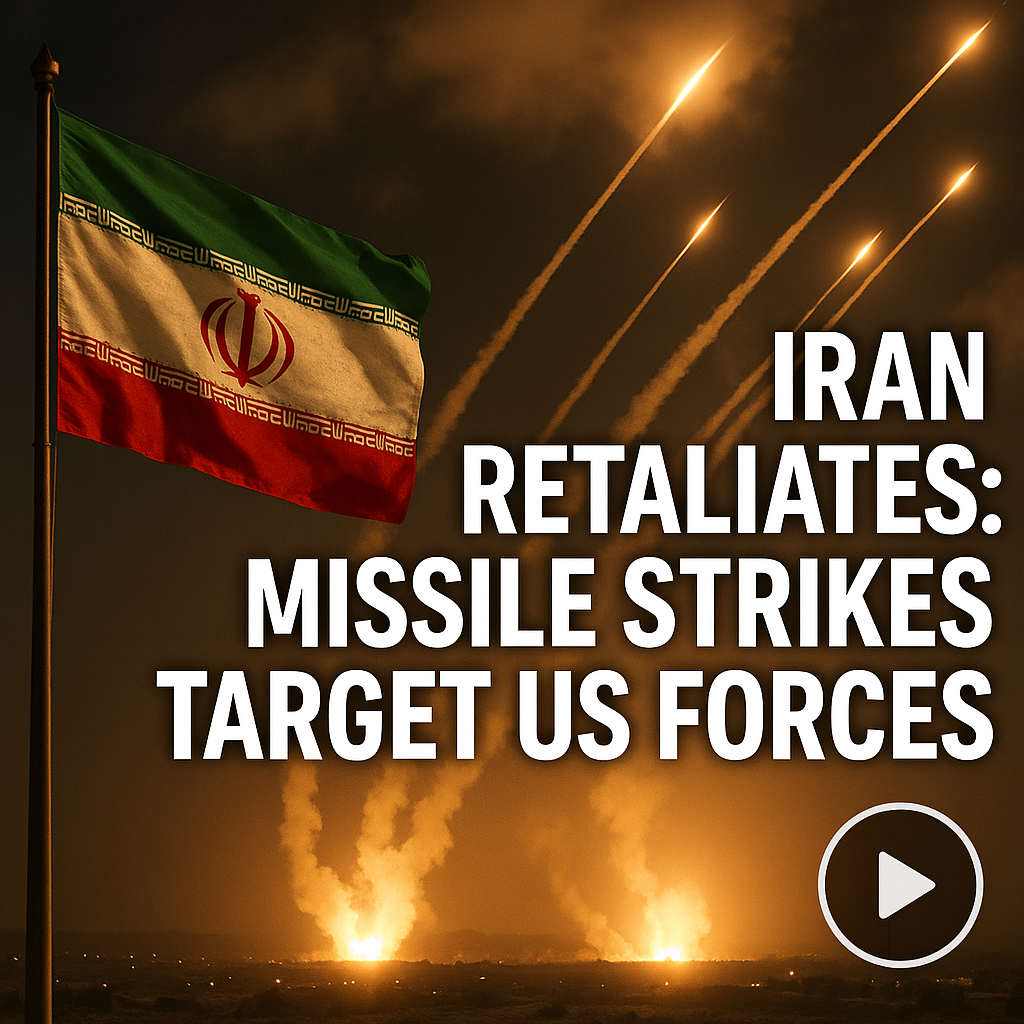
Iran’s recent missile strikes targeting U.S. forces mark a significant moment in the ongoing tensions between the two nations. These events, amid a backdrop of escalating hostilities, raise questions about the future of diplomatic relations and stability within the region.

Background of Hostilities
The origins of this most recent escalation can be traced back to a series of U.S. actions in the region, including military strikes that Iran views as provocations. Tensions reached a boiling point when Iranian military officials confirmed missile strikes on U.S. positions in Iraq, reportedly in retaliation for earlier attacks attributed to American forces. According to reports from RT, the Iranian government framed these strikes as a defensive measure in light of what they claim are ongoing U.S. aggressions.


On the other hand, U.S. officials have characterized Iran’s actions as unprovoked aggression, reflecting a longstanding pattern of hostile behavior. The divergent narratives emphasize the lack of mutual understanding between the two countries, with each side perceiving the other’s actions through a lens of suspicion and animosity.


The Underlying Motivations
A closer examination reveals a complex interplay of motives driving Iran’s recent missile strikes. According to Al Jazeera, Iran aims to demonstrate its military capabilities to both domestic and international audiences. The strikes serve not only as a response to perceived U.S. threats but also as a tactic to consolidate domestic political power amid widespread protests and economic challenges at home.
Conversely, U.S. perspectives emphasize the importance of maintaining a military presence in the region as a deterrent against Iranian expansionism. Sky News has pointed out that the U.S. believes its military operations are essential for regional stability and the protection of allied countries. This dichotomy illustrates the delicate balance of power in the Middle East and the potential for broader conflict if tensions continue to escalate.
Regional and Global Repercussions
The repercussions of these missile strikes extend beyond the immediate conflict between Iran and the United States. The region’s geopolitical dynamics are deeply intertwined, as other nations watch closely. The possibility of an expanded conflict could embroil neighboring countries, further destabilizing Iraq, Syria, and even drawing in other global powers.
Iran’s actions may also influence the Biden administration’s foreign policy strategy in the Middle East. As the U.S. grapples with the complexities of its withdrawal from Afghanistan and aims to refocus its attention on Asia, the need to address Iran’s provocations becomes more pressing. The U.S. response will likely involve a mix of diplomacy and deterrence, but finding a balanced approach poses significant challenges.
Conclusion: A Path Forward?
As the situation continues to unfold, the implications of Iran’s missile strikes against U.S. forces highlight the precarious nature of Middle Eastern geopolitics. Both nations face the challenge of navigating a fraught landscape where each action carries profound consequences.
While the potential for dialogue exists, significant mistrust hampers diplomatic efforts. For any meaningful resolution to emerge, both Iran and the U.S. must be willing to engage in open discussions that address not only security concerns but also the underlying issues that fuel these tensions.
The road ahead remains uncertain, with factors such as domestic politics in Iran and the strategic calculations of the U.S. playing pivotal roles. Only time will reveal whether a path toward reconciliation can be forged, or if the cycle of retaliation will persist, dragging the region further into instability.