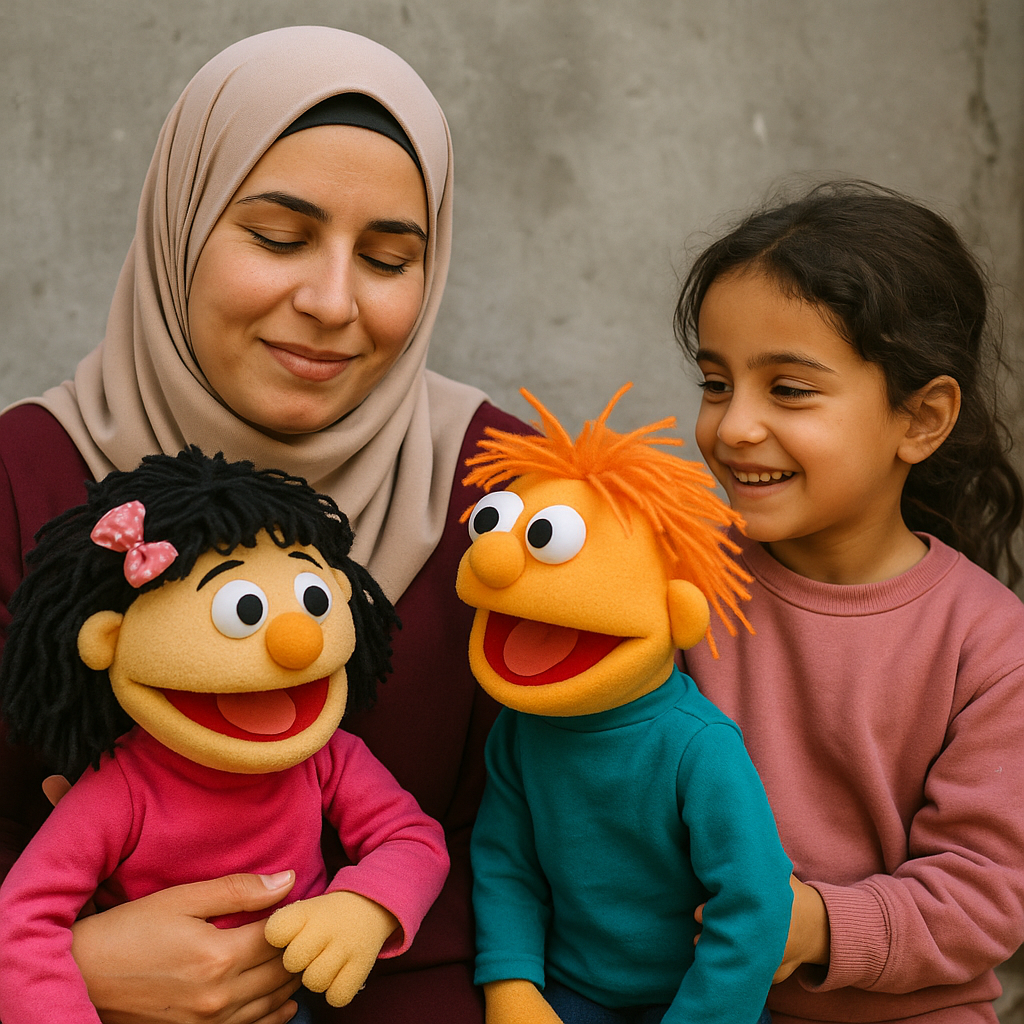
Puppets Helping Women and Children in Gaza Overcome Trauma

Puppets Helping Women and Children in Gaza Overcome Trauma
In the midst of ongoing conflict and strife, innovative approaches are emerging to help women and children in Gaza cope with trauma. One such approach involves the use of puppetry, which has been shown to provide a unique outlet for expression, healing, and connection. This article explores how puppets are making a difference in the lives of those affected by the long-standing challenges in Gaza.

The Role of Puppetry in Trauma Healing
Puppets serve as a powerful tool for communication and expression, especially in a context where verbal articulation of trauma may be difficult. According to a report by Al Jazeera, puppetry therapy is being utilized to help children articulate their emotions and experiences related to the violence they have witnessed and endured. By engaging with puppets, children can share their feelings in a safe and controlled environment, significantly reducing barriers to communication.


Participating in puppet shows allows children to play out their experiences, providing a sense of agency and control over narratives that may feel overwhelming. For women, particularly those dealing with the multifaceted impacts of gender-based violence, puppetry offers an avenue to express grievances and discuss mental health in reflective, non-threatening settings. This creative outlet not only facilitates the healing process but also fosters community bonding through shared experiences and support.


Diverse Perspectives on Effectiveness
The effectiveness of puppetry as a therapeutic tool has received both enthusiasm and caution from various professionals. Advocates suggest that the playful nature of puppetry can help destigmatize discussions around trauma and mental health. For instance, a practitioner from a local NGO highlighted that “Puppetry allows children to visualize their traumas, making it easier to confront”. This view is echoed by several community leaders advocating for the integration of such creative therapies in local health programs.
However, some experts point to the complexity of trauma and caution against oversimplifying the healing process through puppetry alone. In conversations shared through an article from RT, mental health professionals argue for a balanced approach that complements puppet therapy with traditional psychological support. They emphasize that while puppetry can provide a temporary escape and stimulate discussions, underlying mental health issues must also be addressed systematically.
Community Impact and Future Prospects
The uplifting impact of puppetry extends beyond individual experiences—entire communities are benefiting from this initiative. Sky News reports on community events where puppet shows serve to raise awareness about mental health issues, emphasizing the importance of peer support and collective healing. These events have become a safe space for families to gather, share stories, and start conversations about topics that are often silenced in the face of conflict.
Looking forward, the same sources suggest an expansion of puppetry programs in schools and community centers across Gaza. Increasing funding and training for facilitators could help solidify this approach as a staple in mental health support strategies in the region. By promoting resilience through creativity, this initiative aims to instill hope and foster recovery among the women and children who have borne the brunt of conflict.
Conclusion
The integration of puppetry as a means of helping women and children in Gaza cope with trauma represents a promising development in addressing mental health needs amid adversity. While it serves as an essential tool for expression and healing, it must be complemented by structural support from health and social services. A collective effort from various stakeholders can further amplify the positive effects of these programs, ultimately nurturing a more resilient community ready to face the challenges ahead.