
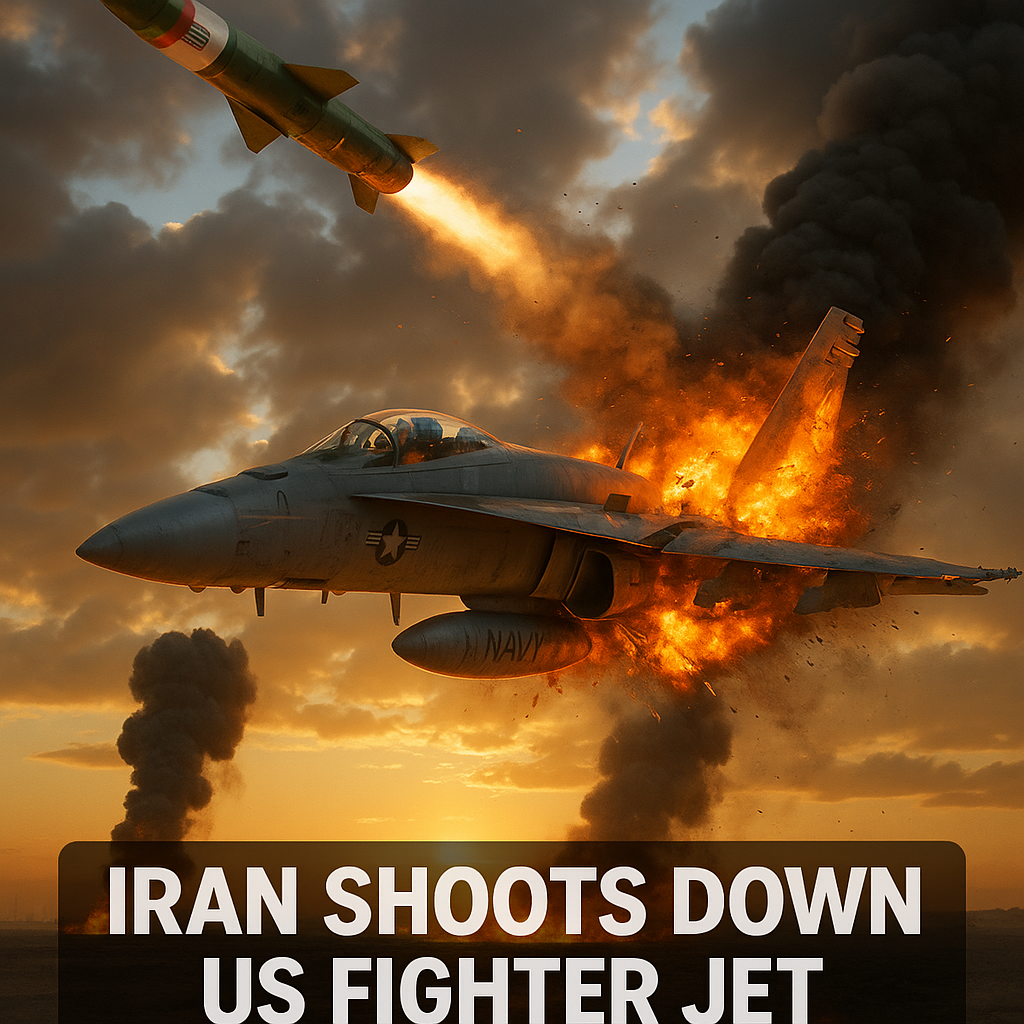
Iran Shoots Down US Fighter Jet Amid Oil Strikes

Iran Shoots Down US Fighter Jet Amid Oil Strikes: A Complex Web of Tensions
In a significant escalation of military tensions, Iran has reportedly shot down a US fighter jet, coinciding with ongoing strikes on oil facilities that have further strained relations between the two nations. This event not only raises questions about military engagement but also reflects the underlying geopolitical dynamics affecting global energy supplies.

The Context of the Incident
The reported downing of the fighter jet has created a ripple of concern within the international community. According to sources, the incident occurred against the backdrop of Iranian air defenses bolstering their military readiness, especially after recent threats from the US regarding oil exports. The timing is crucial; Iran has been involved in a pattern of strikes targeting oil installations, which many experts consider a tactic aimed at leveraging its influence amid ongoing sanctions.


Iran’s Perspective
Iran’s leadership perceives its military actions as defensive responses to perceived threats from the US. Official statements emphasize a commitment to sovereignty and the right to protect national interests. Sources from Iranian media assert that the downing of the jet represents a firm stand against what they perceive as aggressive American military presence in the region.


US and Global Reaction
On the other side, the US government has condemned Iran’s actions, viewing the downing of the fighter jet as an unacceptable escalation. Officials have called this move a violation of international norms, urging the international community to respond firmly. Furthermore, the implications of escalating military conflict add a layer of complexity to already volatile oil markets, as analysts fear disruptions in supply chains could have far-reaching economic effects.
The Broader Economic Implications
Pressure on Oil Markets
The intersection of military actions and oil supply raises substantial economic questions. Iran’s recent strikes, targeting various oil facilities, have led to a noticeable increase in oil prices—a situation reminiscent of previous tensions in the Gulf region. Reports indicate that prices have surged in response to fears of supply disruptions, further exacerbating inflationary pressures globally.
– Price Volatility: The oil market is heavily influenced by geopolitical tensions, and incidents such as the downing of a military aircraft can lead to abrupt price fluctuations. Analysts warn that sustained tensions could create a supply crisis reminiscent of previous conflicts in the region.
– Sanctions Regime: The existing sanctions on Iran complicate its ability to export oil effectively, contributing to Iran’s reliance on asymmetric warfare tactics. The strikes against oil installations can be interpreted as a way to challenge the sanctions regime, signaling potential retaliatory capability and resilience.
Reactions from International Stakeholders
Various international stakeholders have expressed concern regarding the escalation of military conflicts and the potential for broader conflict. The European Union, for example, has called for de-escalation, emphasizing diplomacy over military confrontation. In contrast, some regional allies of the US have echoed the need for a strong response, underlining the complexity of forming a united front amidst differing priorities.
Diverse Viewpoints on Resolution
While the US maintains a stance of military readiness, experts suggest that a diplomatic approach should be prioritized to alleviate tensions. Proponents of negotiation argue that history shows military engagements often lead to unintended consequences, posing risks not only to the nations involved but also to global stability.
Conversely, hardline perspectives argue that showing weakness could embolden Iranian aggression, necessitating a firmer military response to preserve deterrence. This dichotomy illustrates the varied strategic priorities that define responses to the incident.
Conclusion: Navigating Uncertainty
As the situation continues to evolve, the downing of the US fighter jet amid oil strikes poses significant geopolitical questions. While both nations remain committed to their respective narratives, the risk of continued conflict could have sweeping implications, particularly in the energy sector.
There is a pervasive uncertainty regarding the potential for escalation or the effectiveness of diplomatic negotiations. As global oil markets react to these developments, the international community must balance immediate responses with long-term strategic considerations. Ultimately, finding a pathway for dialogue may be the most prudent course to avert further escalations while addressing the complex challenges posed by this situation.















