
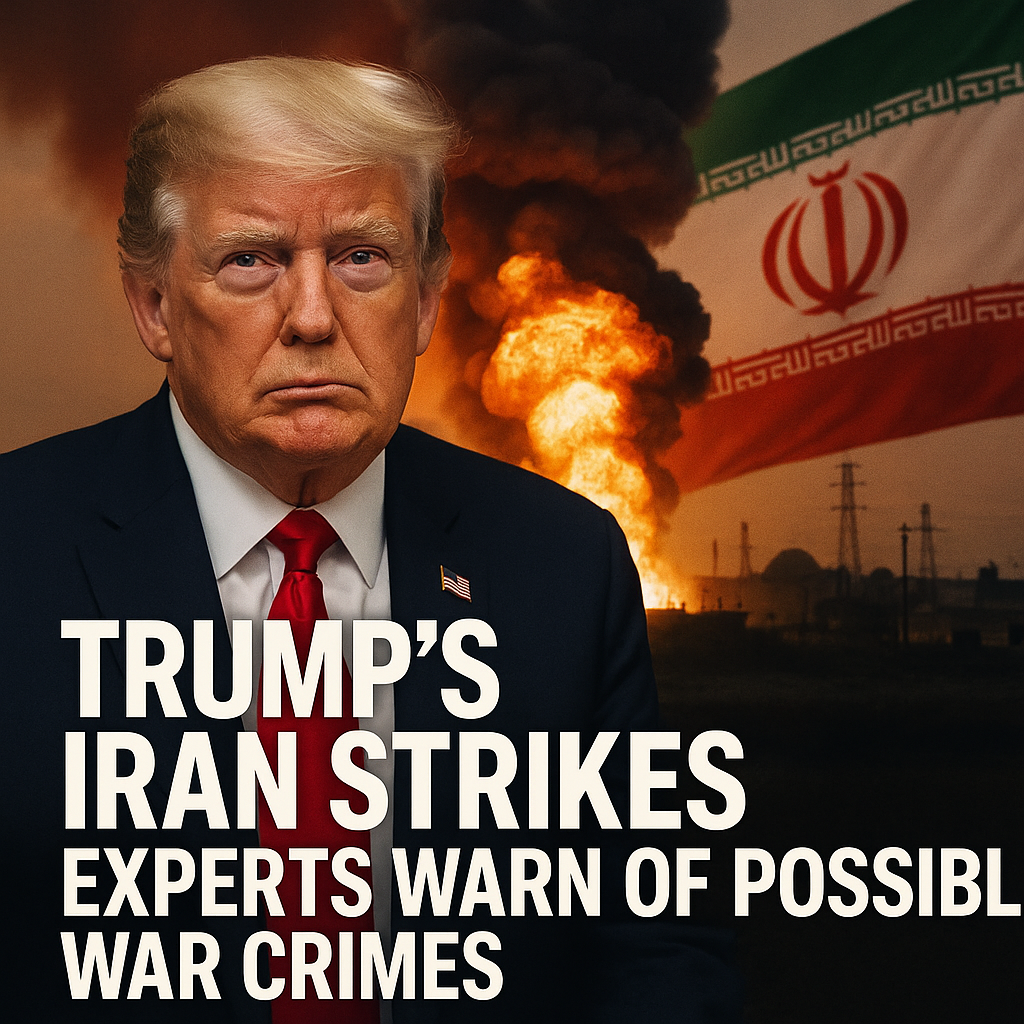
Trump’s Iran Strikes: Experts Warn of Possible War Crimes

Trump’s Iran Strikes: Experts Warn of Possible War Crimes
In recent months, former President Donald Trump’s decision to target Iran has come under scrutiny, particularly regarding potential violations of international law. Various experts have raised alarm over the implications of these actions, suggesting that they may amount to war crimes. Analyzing the discourse surrounding this issue reveals a complex and nuanced landscape influenced by legal interpretations, geopolitical ramifications, and ethical considerations.

The Legal Landscape: What Constitutes a War Crime?
According to international law, particularly the Geneva Conventions, war crimes include serious breaches that occur during armed conflicts, such as targeting civilians or using disproportionate force. Analysts from outlets like Al Jazeera point to Trump’s drone strikes that reportedly targeted Iranian military leaders, emphasizing that if civilians were inadvertently harmed, this could constitute a war crime. The necessity of adhering to principles of distinction and proportionality in warfare cannot be understated.


Experts in the field suggest that any aggressive military action must be thoroughly justified within the context of self-defense or an international mandate. However, the legality of unilateral actions, such as those taken by the Trump administration, remains debatable. For instance, legal scholars featured in various international news platforms argue that the strikes lacked sufficient justification under international law, raising concerns about the precedents they set for future administrations.


Diverging Views on the Justifications for Strikes
Opinions on the justifications for Trump’s strikes vary significantly. Supporters argue that these actions were necessary to counter Iran’s influence in the region and deter future aggression. The notion that Iran poses a threat to U.S. interests and allies is a recurring theme among such proponents. For example, articles sourced from Sky News expressed a viewpoint that swift military action was warranted to ensure national security.
Conversely, critics argue that the strikes not only failed to achieve their intended outcomes but also escalated tensions in the Middle East. They point to the high potential for civilian casualties and backlash that could ensue, claiming this approach could fuel further conflict rather than stabilize the region. This perspective is echoed by commentators in RT news, who emphasize that any military strategy should prioritize diplomatic solutions over aggressive posturing.
A Broader Ethical Debate: Diplomatic Engagement vs. Military Action
Beyond the legal implications, there exists a broader ethical debate surrounding military interventions. The international community is increasingly questioning the moral responsibility of nations engaged in armed conflicts. Many experts advocate for a return to diplomatic engagement with Iran as a viable alternative to military strikes. They argue that building diplomatic ties can lead to more sustainable peace and understanding.
This position is reinforced by advocates who caution against the historical precedent of military interventions often resulting in long-standing destabilization. For instance, after the U.S. invasion of Iraq, experts warn that similar military actions against Iran could lead to unintended consequences that may further complicate U.S. foreign policy.
Navigating Uncertainties: The Path Forward
The narrative surrounding Trump’s Iran strikes is replete with uncertainties. While legal experts highlight potential war crime ramifications, those in favor of military action insist that these strategies were executed with national security as a priority. As the geopolitical landscape continues to evolve, it becomes crucial to consider the broader implications of such escalated military actions, including Ramsay’s theory of ‘collateral consequences,’ where aggressive strategies may inadvertently lead to increased hostility.
In terms of the future, analysts urge a balanced approach that weighs both ethical considerations and practical realities. If the aim is to protect national interests while respecting international law, a reinvigorated dialogue with Iran may present a more enlightened framework. This could involve humanitarian considerations and engaging in discussions focused on rebuilding trust rather than further exacerbating tensions through military means.
Conclusion: The Need for Responsible Decision-Making
The debate surrounding Trump’s Iran strikes and the potential for war crimes is emblematic of the complexities involved in modern warfare. While questions of legality and justification dominate the discussion, the ethical implications demand equal attention. As the world watches closely, the emphasis should ideally shift toward more responsible decision-making that takes into account not only the immediate impacts of military action but also the long-term ramifications for global security and diplomatic relations. Drawing from diverse perspectives, it is clear that achieving a nuanced understanding of these issues is essential for progressing toward more effective and humane foreign policy strategies.
In a world increasingly interconnected by geopolitical ties, recognizing the ramifications of military interventions will be paramount in ensuring that history does not repeat itself.















