
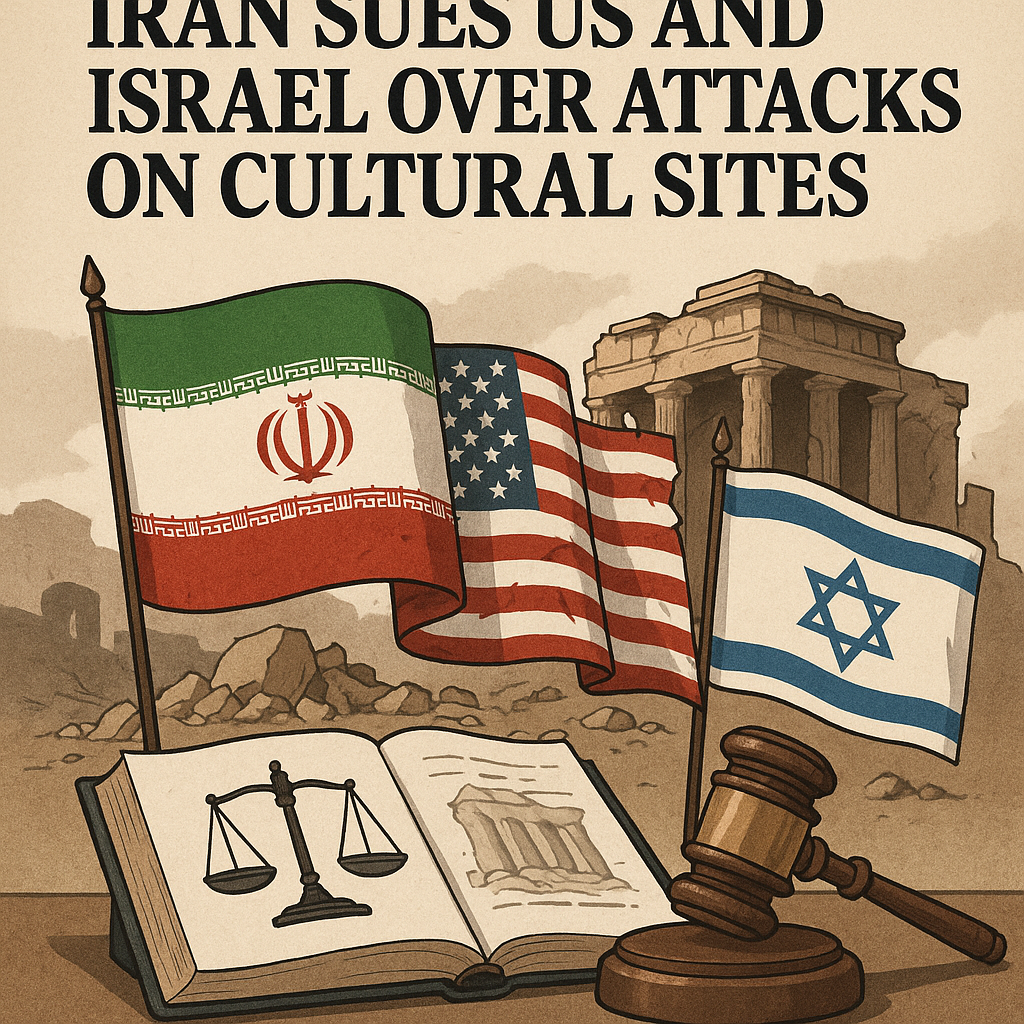
Iran Sues US and Israel Over Attacks on Cultural Sites

Iran has taken a significant legal step by suing the United States and Israel over the destruction of cultural heritage sites during military engagements. This lawsuit raises complex questions about international law, cultural preservation, and geopolitical tensions that have persisted for decades.

Historical Context of Cultural Destruction
The fabric of Iran’s rich history is interwoven with ancient sites, many of which bear testament to its extensive cultural heritage. The country has a long-standing tradition of architecture, art, and literature that dates back thousands of years, with sites listed as UNESCO World Heritage. However, military interventions, particularly by the U.S. and its allies in the Middle East, have often resulted in collateral damage to these cultural treasures.


According to sources like RT, the Iranian lawsuit argues that attacks on cultural sites not only violate the principles set out in international law, but also contravene the 1954 Hague Convention, which aims to protect cultural property in the event of armed conflict. Iran posits that attacks on such sites during conflicts are not just military strategies, but an assault on the identity of the Iranian people.


The Case Against the U.S. and Israel
The specifics of the lawsuit detail multiple incidents where Iranian cultural sites were purportedly damaged or destroyed. Iranian officials have emphasized that these actions reflect a broader pattern of neglect for cultural heritage by external powers involved in regional conflicts. The Iranian Foreign Minister, Hossein Amir-Abdollahian, characterized these actions as “war crimes,” further asserting that an international response is necessary to hold the offending nations accountable.
Furthermore, Al Jazeera highlighted differing perspectives among international observers. Supporters of Iran’s position argue that cultural heritage sites have been systematically targeted to undermine the nation’s historical significance in the region. Critics, however, point out that such claims could be politically motivated, clouding issues of national security and the legitimacy of military actions conducted under the guise of fighting terrorism.
The Complexities of International Law
The lawsuit opens up a dialogue about the applicability and enforcement of international laws designed to protect cultural heritage in warfare. While the Hague Convention emphasizes the importance of preserving cultural property, enforcement mechanisms often fall short. Experts debate the effectiveness of these international agreements when faced with the realities of modern warfare—where the lines between combatants and civilians blur, and cultural sites can become collateral damage.
Moreover, the legal avenues available to Iran may face hurdles. Given that the U.S. and Israel are unlikely to recognize the jurisdiction of an international court in this matter, enforcing any prospective ruling presents significant challenges. The geopolitical stakes are substantial, as both nations maintain strategic military interests in the region which complicate diplomatic relations.
A Divided International Response
The international reaction to Iran’s legal maneuvers has been varied, revealing underlying tensions in global politics. Some nations express support for Iran’s call to uphold cultural protections, arguing that cultural heritage is an irreplaceable component of human civilization. Others, particularly Western allies, have been more reticent, cautioning against the potential exploitation of such legal frameworks for political purposes.
Skepticism also arises from the observation that the lawsuit could be a strategic endeavor aimed at galvanizing domestic support within Iran amidst ongoing economic challenges and internal dissent. This nuance indicates that while the desire to protect cultural heritage is genuine, political motivations may also influence the timing and manner of Iran’s legal actions.
Conclusion: The Path Forward
Iran’s lawsuit against the U.S. and Israel illustrates the intersection of cultural heritage, international law, and geopolitical dynamics. As global awareness grows regarding the impact of warfare on cultural sites, Iran is positioning itself as a defender of its legacy. This case not only highlights the importance of protecting cultural heritage but also poses significant questions about the efficacy of international law in the realm of armed conflict.
As stakeholders continue to navigate these turbulent waters, the outcome of this lawsuit may set precedents influencing the future of cultural preservation efforts worldwide. Whether or not there will be tangible repercussions for the parties involved remains uncertain, but the discussion around cultural rights and protections will undoubtedly gain momentum in the years ahead.















