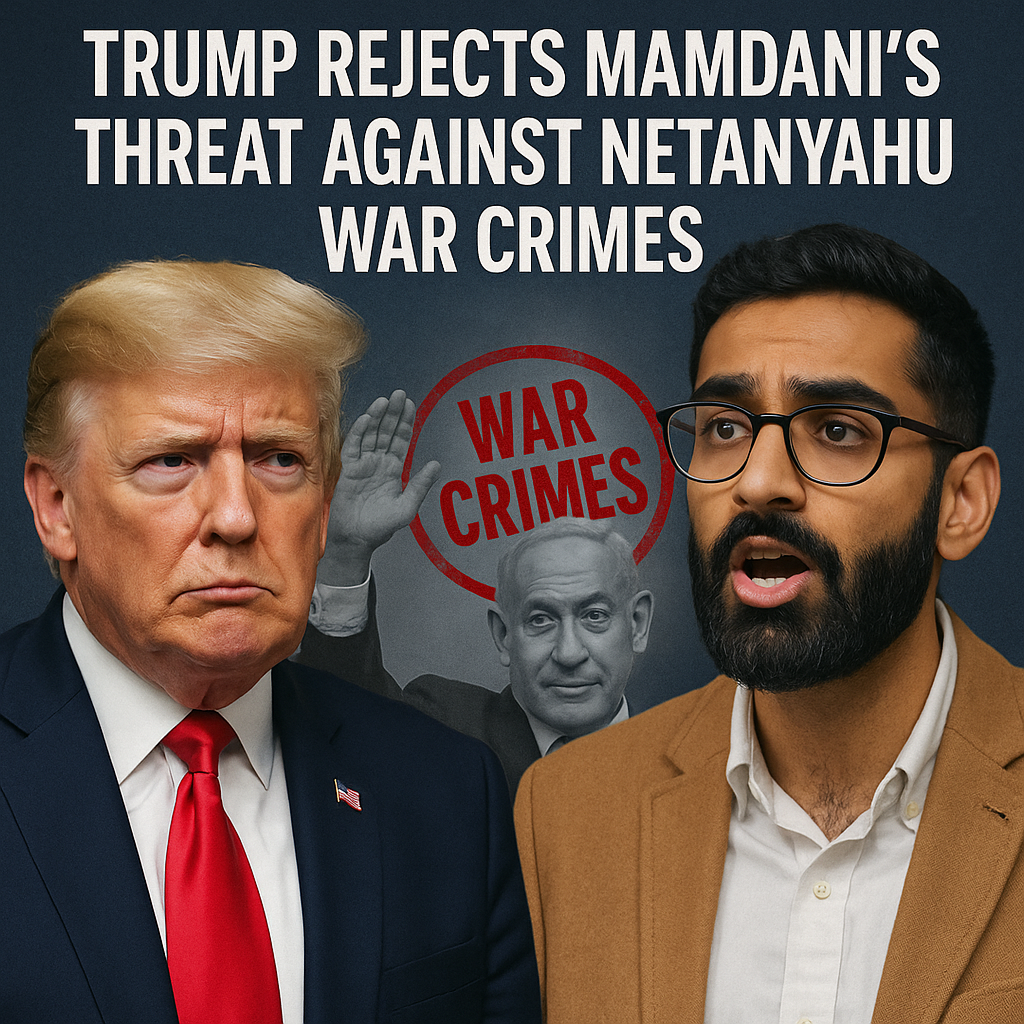
In a bold political twist, former President Trump has dismissed Rashid Khalidi Mamdanis call to arrest Israeli Prime Minister Netanyahu for alleged war crimes, igniting vital discussions about international justice and the complexities of U.S. foreign policy. This clash of perspectives sheds light on the enduring tension between accountability and strategic alliances in global relations.
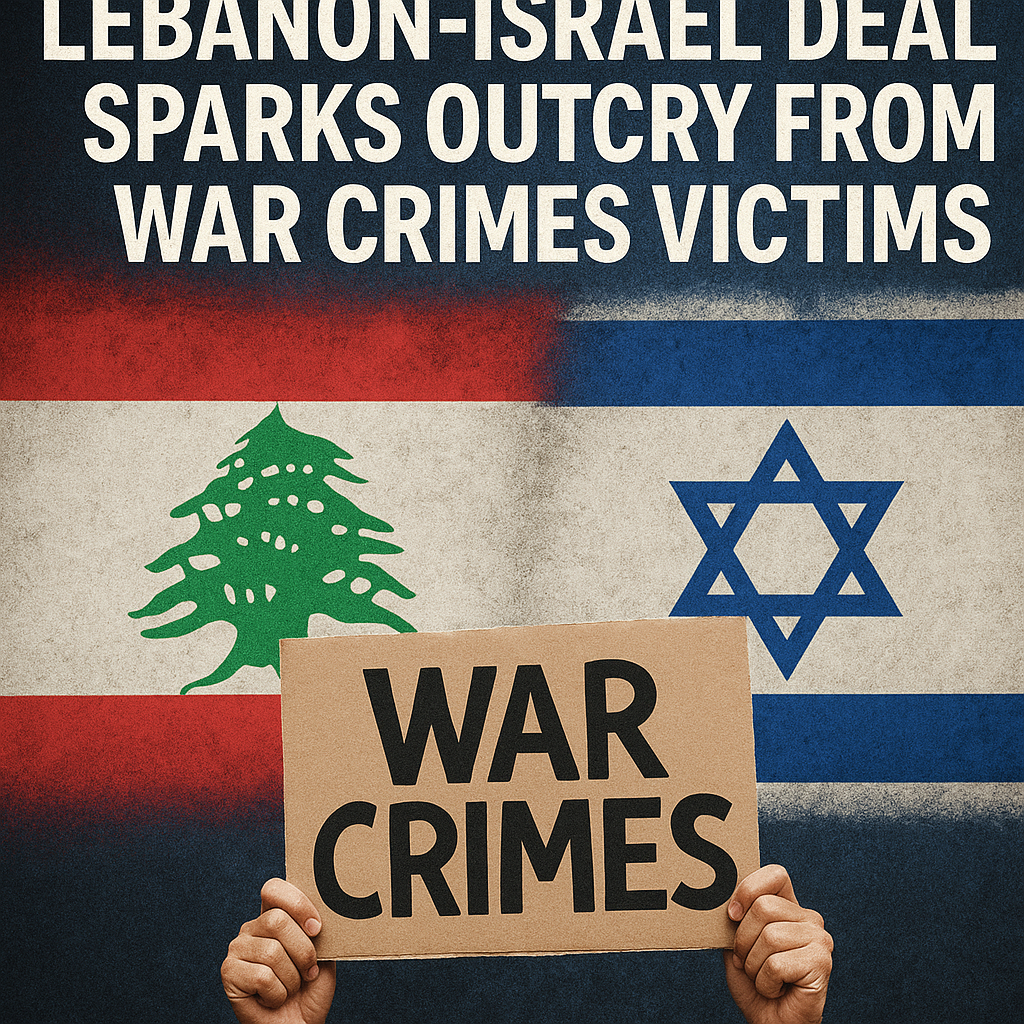
The recent Lebanon-Israel deal has sparked fierce backlash from war crimes victims, who feel their pain is being overshadowed by promises of economic gain. Critics say that while the agreement aims for stability, it fails to address the deep-rooted injustices and historical grievances that continue to haunt the region.
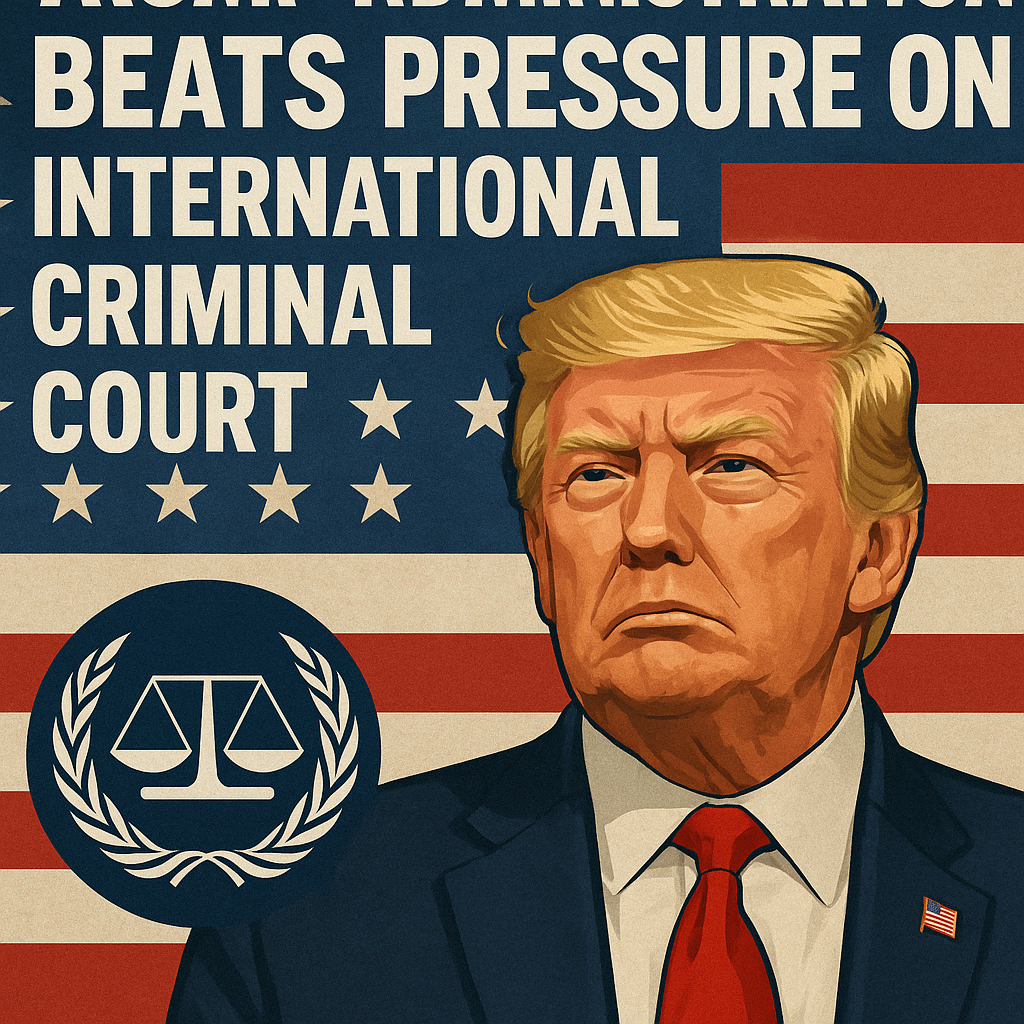
Amid growing global scrutiny, the Trump Administration has boldly challenged the International Criminal Court, branding it a threat to U.S. sovereignty—raising fierce debates about national interests versus international justice. Join us as we explore the clash of perspectives on accountability and the future of global law!
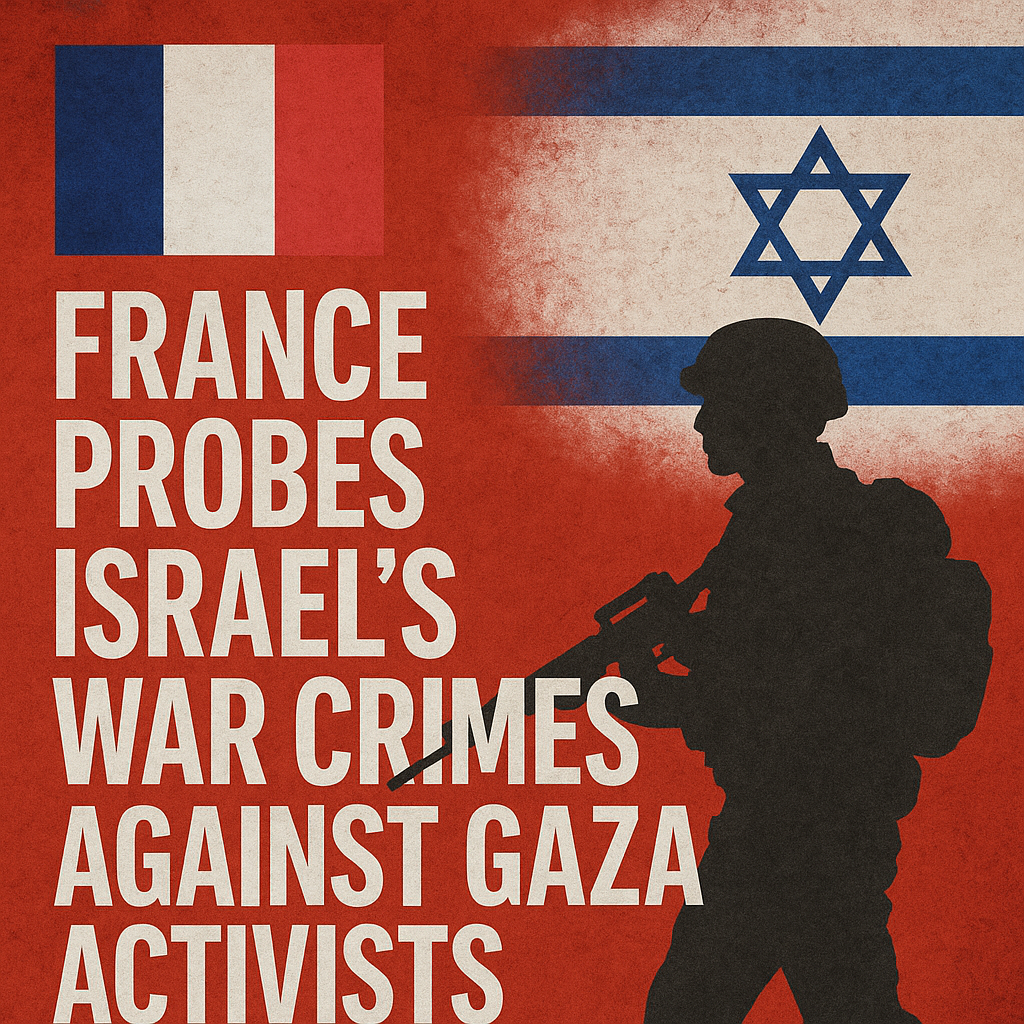
France is taking a bold stand for human rights by launching an investigation into alleged war crimes committed by Israel against Gaza activists, stirring important conversations about justice and accountability in a complex conflict. As global scrutiny sharpens, this inquiry highlights the urgent need for transparency and ethical responsibility on the international stage.
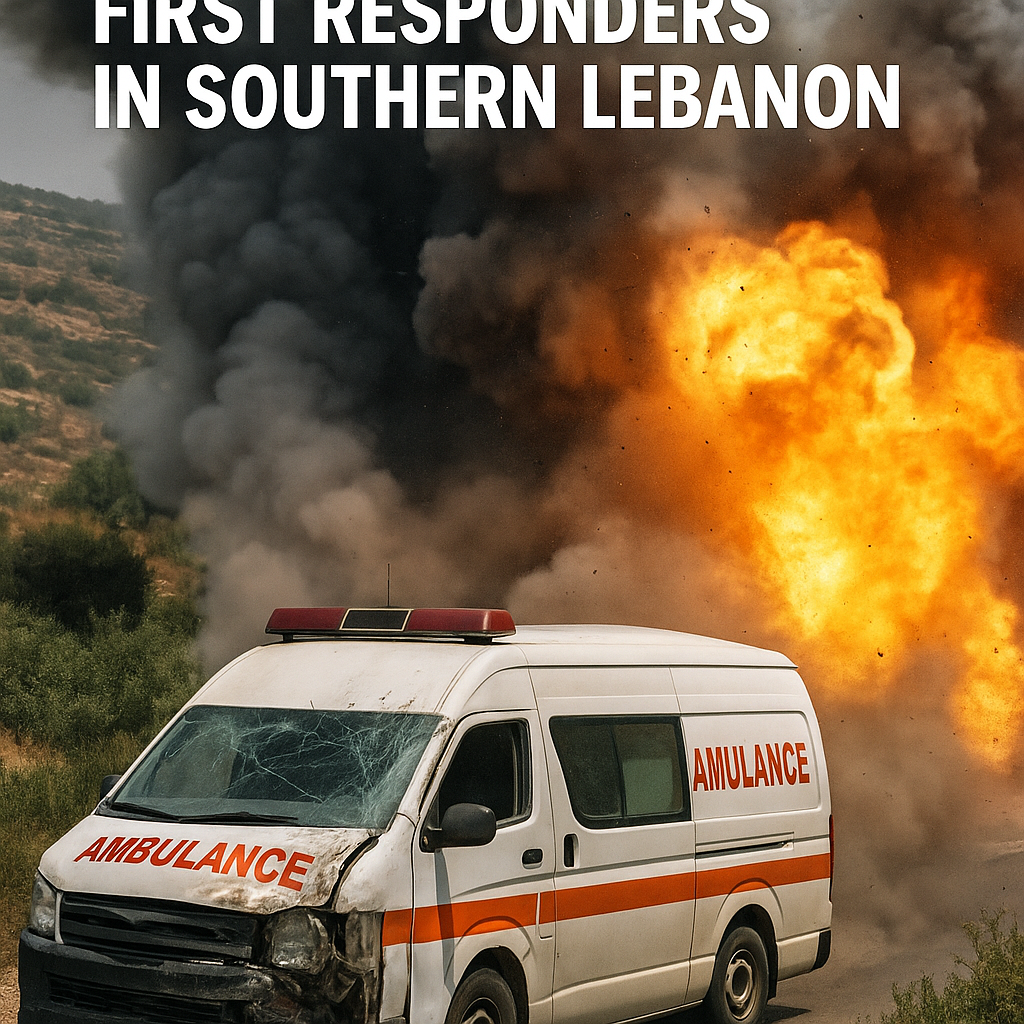
As tensions rise in Southern Lebanon, concerns mount over the Israeli military reportedly targeting first responders—those bravely risking their lives to aid the injured. This troubling turn of events highlights the heartbreaking intersection of humanitarian efforts and military goals in a conflict that continues to evolve.
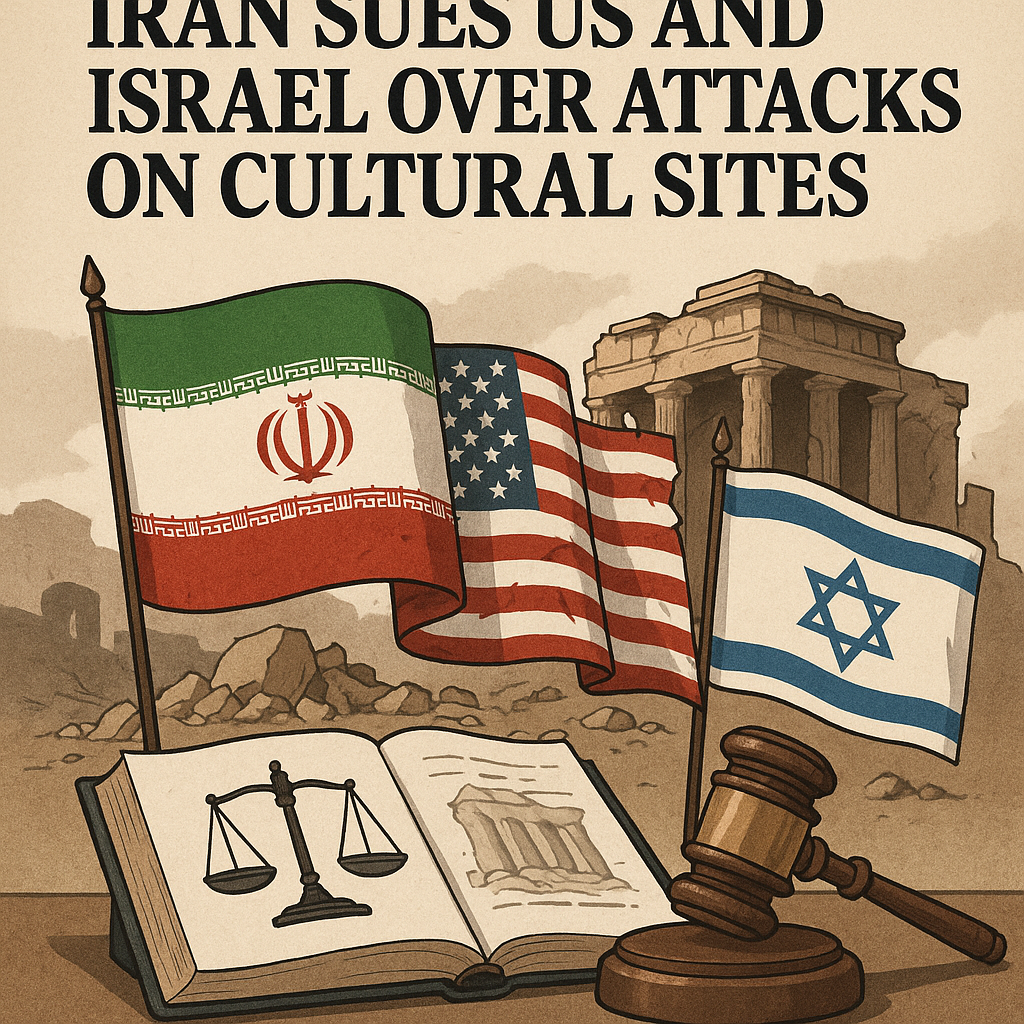
Iran is taking a bold stand by suing the U.S. and Israel over the destruction of its cherished cultural sites—an action that not only stirs up deep-rooted geopolitical tensions but also challenges the very principles of international law. Join us as we delve into the significance of this landmark lawsuit and what it means for cultural preservation in a turbulent world.
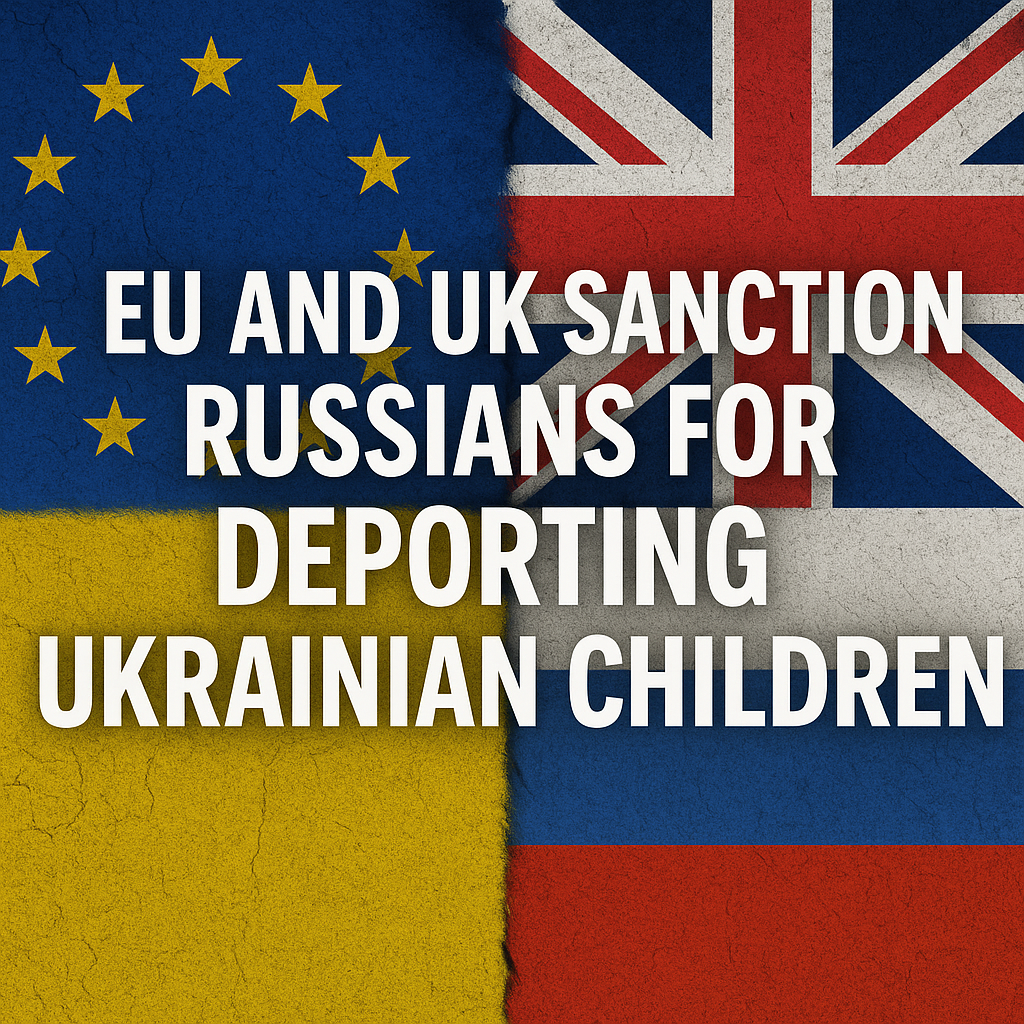
The EU and UK are stepping up to hold Russian officials accountable for the alarming deportation of Ukrainian children, sparking a vital conversation about justice and humanity in the ongoing conflict. With thousands of children forcibly taken from their families, these sanctions aim not just for punishment but to shine a spotlight on a deeply troubling issue that affects us all.
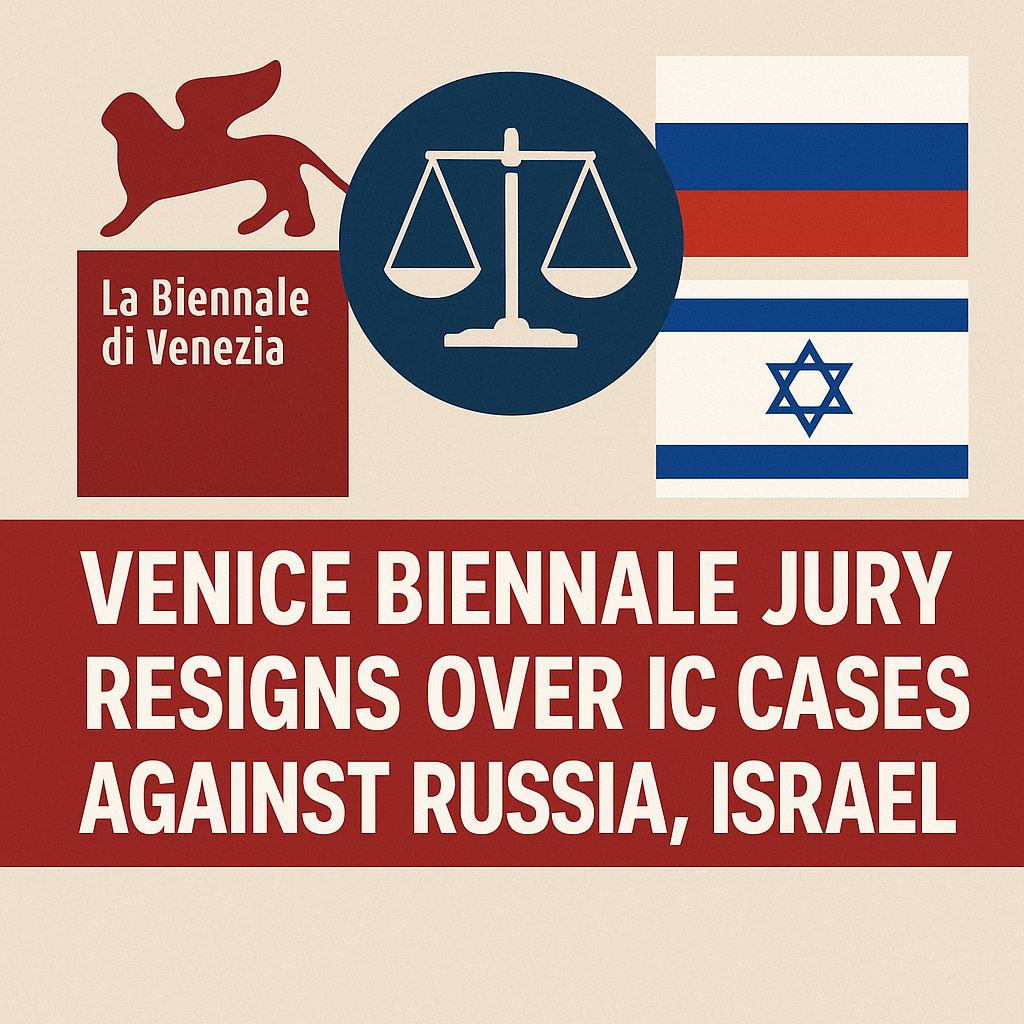
The Venice Biennales jury has stepped down, sparking a lively debate about the role of art in addressing global conflicts like the ICC cases against Russia and Israel. This bold move is a call for the art world to not shy away from the pressing issues of our time—could it reshape how we view art and its impact on society?
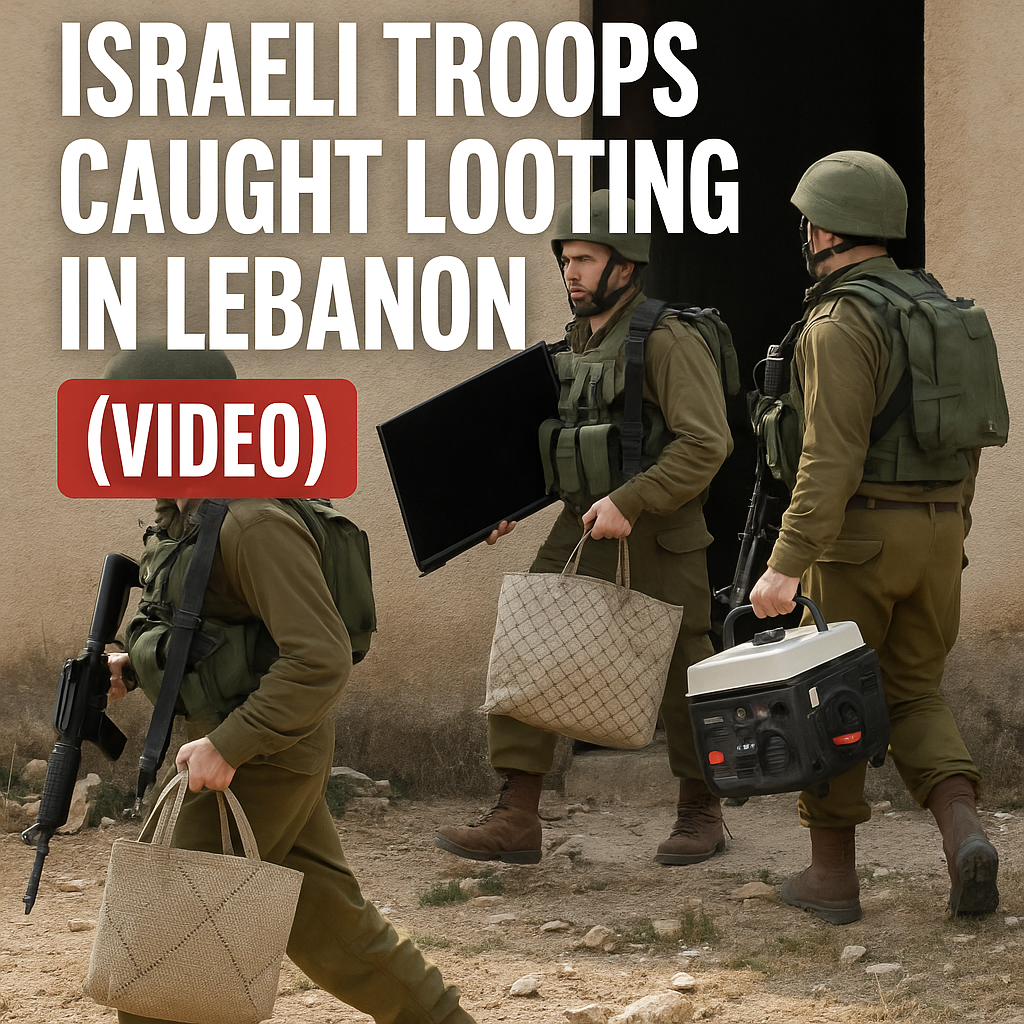
Israeli troops have come under fire for alleged looting in Lebanon, sparking intense debate about accountability and military ethics. As shocking footage circulates online, voices from the government to human rights groups are calling for urgent action and reflection on the conduct of armed forces amidst conflict.
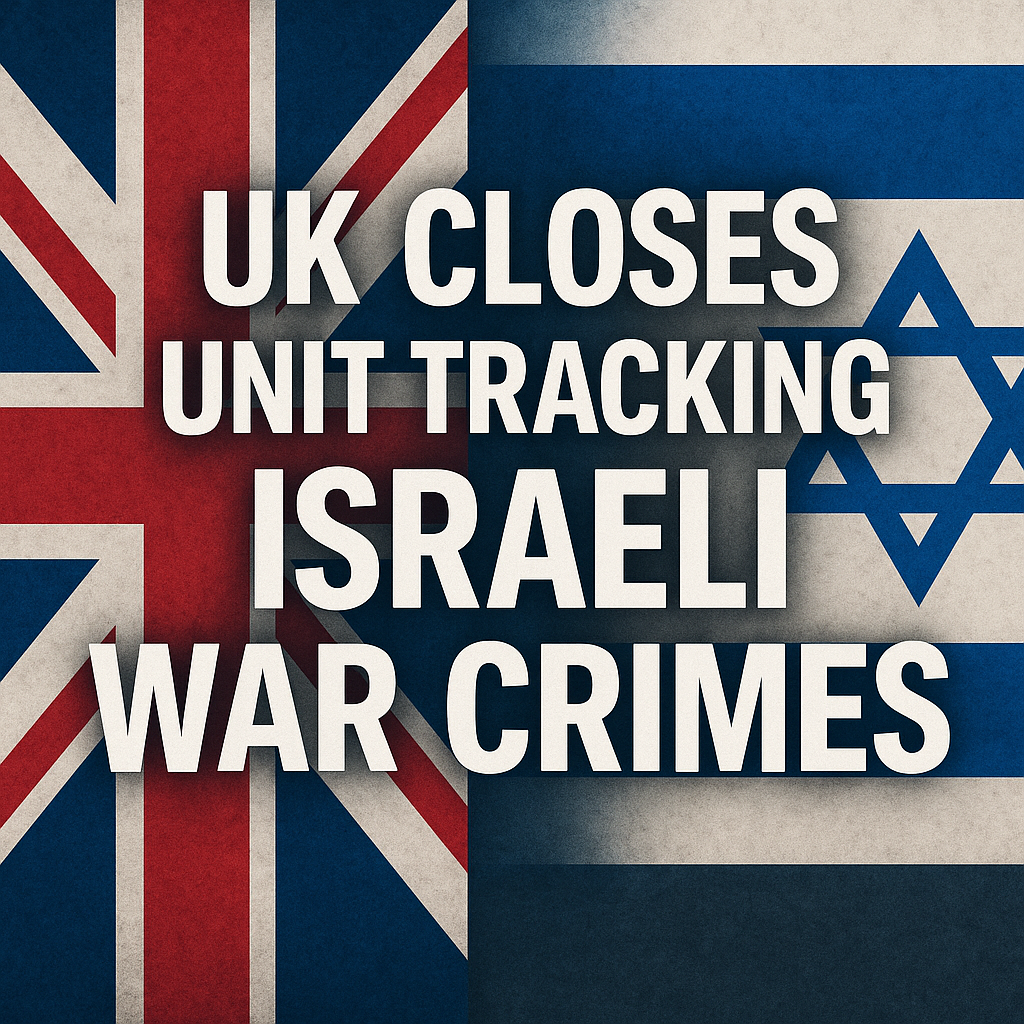
The UK has just decided to close its unit tracking alleged Israeli war crimes, a move that stirs up significant questions about accountability in the ongoing Gaza conflict. This decision has sparked a wave of reactions, revealing deep divides and raising urgent concerns about the future of humanitarian efforts amid escalating tensions.