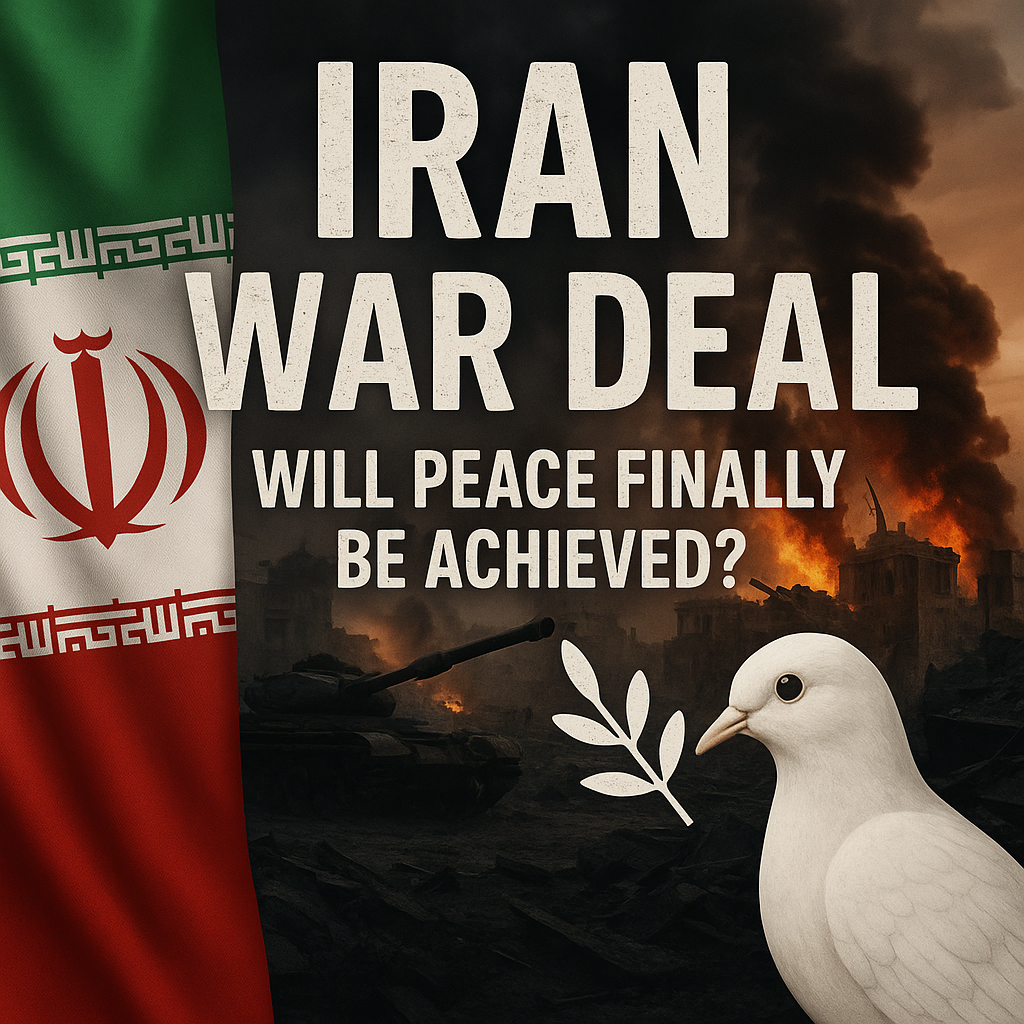
Iran War Deal: Will Peace Finally Be Achieved?

Iran War Deal: Will Peace Finally Be Achieved?
The longstanding conflict surrounding Iran has brought international attention back to the question many are asking: will a deal finally lead to lasting peace in the region? Amid ongoing tensions and stalled negotiations, various perspectives reveal a complex web of diplomatic discussions and geopolitical maneuvering that could either pave the way for tranquility or lead to further discord.

The Current State of Negotiations
Negotiations surrounding Iran’s nuclear program have been characterized by an ebb and flow of optimism and setbacks. As reported by Al Jazeera, recent discussions have focused on a new deal aimed at curbing Iran’s nuclear aspirations in exchange for lifting some economic sanctions. Proponents argue that such a deal could stabilize the region by fostering diplomatic relationships and reducing hostilities, primarily between Iran and the West.


However, contrasting views emerge from other sources like RT, which highlight skepticism regarding Iran’s willingness to comply with any accords. Critics assert that previous agreements have not yielded the promised results, with Iran allegedly continuing its nuclear development. The deeper concerns revolve around Iran’s support for regional proxies and its ballistic missile program, leading some analysts to question if a deal can truly achieve peace in the long term.


International Perspectives on the Iran Deal
Different nations have varied stakes in the Iran negotiations, largely influenced by their historical and geopolitical relationships with Tehran. Many Western nations support the diplomatic approach, emphasizing the importance of dialogue. European nations, particularly those involved in the original Joint Comprehensive Plan of Action (JCPOA), view a potential deal as an opportunity to reduce nuclear proliferation risks.
On the other hand, regional powers like Israel and Saudi Arabia express concerns over any agreements that might empower Iran militarily or economically. They advocate for a more stringent stance, fearing that concessions might embolden Iran’s influence across the Middle East. The complexities of these international perspectives underscore the challenges that lie ahead in achieving a comprehensive peace agreement.
The Path Forward: Challenges and Opportunities
To navigate the challenging landscape of the Iran deal, several factors must be reconciled. Firstly, the trust deficit between Iran and Western nations plays a pivotal role. Reports from various news outlets suggest that without significant confidence-building measures, any agreement could quickly unravel. These measures might include transparent verification processes and tangible commitments from both sides.
Additionally, public sentiment in Iran regarding foreign negotiations cannot be overlooked. A substantial segment of the Iranian population is wary of international engagement due to years of sanctions and perceived Western hostility. Thus, any peace initiative must resonate with the Iranian populace to achieve sustainable results.
Moreover, there is the potential for regional actors to play a constructive role in facilitating dialogue. Countries like Qatar have expressed willingness to mediate discussions, highlighting that included regional stakeholders might ease tensions. However, their involvement also risks complicating an already intricate negotiation process.
Conclusion: A Delicate Balance
As discussions continue, the prospects for an Iran war deal remain uncertain. While there is a palpable desire for peace within certain factions, deeply rooted distrust, divergent international priorities, and regional dynamics create significant hurdles.
Ultimately, achieving a lasting peace will hinge on the willingness of all parties to engage in compromise and dialogue. The road to stability may be long and fraught with challenges, but the potential benefits of a harmonious resolution are substantial for both Iran and the broader international community. Moving forward, the world will be watching closely to see if a balanced approach can emerge, one that acknowledges the complexities of the situation while striving for a peaceful resolution.