
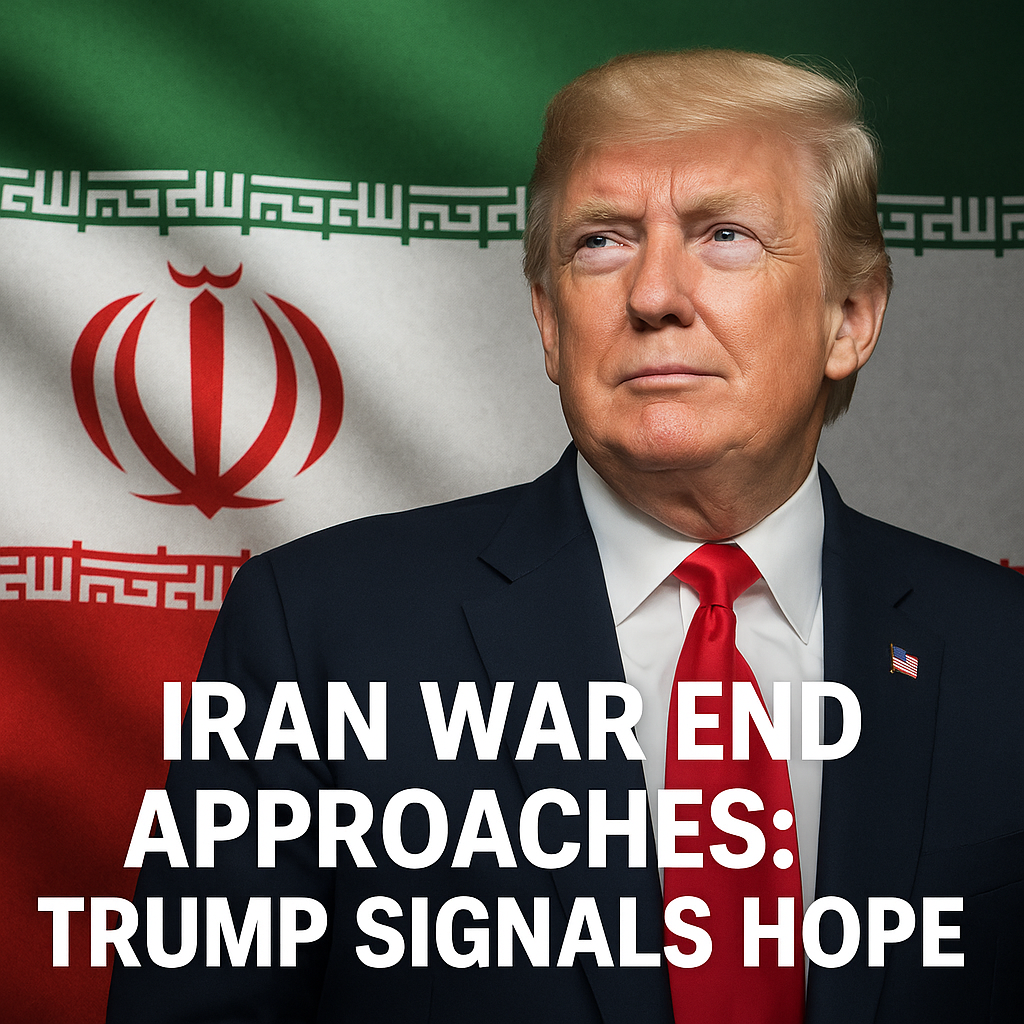
Iran War End Approaches: Trump Signals Hope

Iran War End Approaches: Trump Signals Hope
As discussions surrounding the potential end of the conflict in Iran gain momentum, former President Donald Trump has signaled a more optimistic outlook on diplomatic negotiations. This shift reflects a complex web of geopolitical considerations and the varied interests of international players involved in Iran’s ongoing struggles.

The Shift in Diplomatic Tone
In recent statements, Trump has emphasized his willingness to engage in renewed discussions concerning Iran, suggesting that a peaceful resolution to the decades-long tensions is feasible. This is particularly timely given the current political climate, where both the United States and Iran appear to be reevaluating their positions.


– Bipartisan Implications: Trump’s comments have sparked a diverse array of reactions from political leaders and analysts alike. Some view his remarks as a strategic pivot, aiming to consolidate his base while positioning himself as a potential peace broker. Others argue that such optimism must be tempered with realism, especially considering the past failures of negotiations during his administration.


– Evidence of Engagement: Reports indicate that Iran has also expressed a willingness to re-enter discussions, particularly concerning its nuclear program, which has long been a point of contention between Tehran and Washington. This willingness for dialogue could signify a mutual desire to de-escalate tensions, although skepticism remains prevalent.
Diverse Perspectives on Iran’s Future
The landscape of opinions regarding Iran’s role in the regional and global context is diverse, with crucial viewpoints emerging from various stakeholders.
Support for Constructive Engagement
Many experts contend that constructive engagement between the U.S. and Iran could lead to significant breakthroughs, especially in light of recent regional instabilities.
– Regional Security: Some argue that strengthening ties with Iran might enhance regional security and stability. Countries within the Middle East, including those affected by a potential Iranian nuclear threat, hold contrasting views on how best to handle Tehran. They see diplomacy as a vital tool to de-escalate fears and promote cooperative governance in the region.
– Economic Sanctions: Furthermore, advocates for diplomacy argue that easing economic sanctions in exchange for concrete steps toward denuclearization could have positive ripple effects. The Iranian economy has suffered enormously, and there’s a school of thought suggesting that by addressing economic grievances, a stronger diplomatic relationship could be forged.
Skepticism and Caution
Conversely, there remains a vocal faction that warns against over-enthusiasm regarding a diplomatic thaw.
– Historical Precedent: Critics point to past rounds of negotiations that yielded limited results, arguing that Iran has historically used such talks to buy time and advance its nuclear ambitions clandestinely. They advocate for a more hardline stance, promoting the necessity of maintaining sanctions until tangible evidence of compliance is observed.
– Domestic Politics: Moreover, internal dynamics within Iran also complicate the equation. Various factions within the Iranian political landscape may not align with President Ebrahim Raisi’s diplomatic overtures, leading to a fragmented approach that could undermine progress.
Looking Toward a Diplomatic Solution
The latest developments indicate a growing inclination towards dialogue, but concrete steps must follow hopeful rhetoric. The complexity of the Iran situation necessitates an informed approach that weighs the potential risks and benefits of renewed negotiations.
Possible Pathways Forward
– Multilateral Efforts: Engaging not just bilaterally with Iran but including other stakeholders, such as European nations and regional powers, could enhance the legitimacy of any agreements reached. Multilateral discussions could foster a more balanced approach to peace in the region.
– Incremental Progress: Realistic proposals for step-by-step negotiations that allow for gradual compliance and monitoring may be a more effective strategy than sweeping agreements. Such methods could help build trust over time while ensuring that both sides adhere to their commitments.
Conclusion
As Trump signals hope for a potential end to the conflict with Iran, the focus must remain on fostering a viable dialogue that acknowledges the diverse interests at play. Balancing optimism with prudence is essential. The coming months will undoubtedly reveal whether these diplomatic overtures can translate into lasting peace, or if they will falter as they have in the past. Only time will tell if the diplomatic tides are shifting in a meaningful way.















