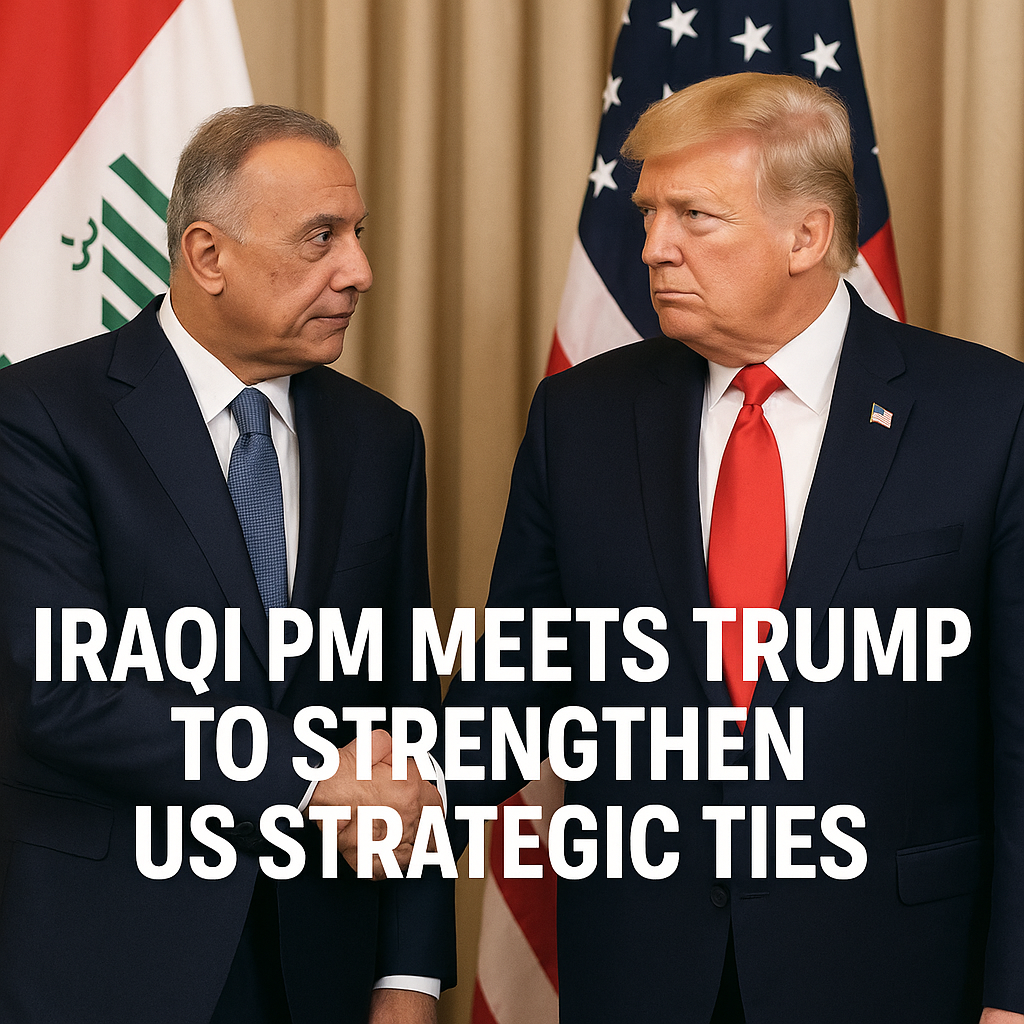
Iraqi PM Meets Trump to Strengthen US Strategic Ties

Strengthening US-Iraq Strategic Relations: A Meeting of Leaders
The recent meeting between Iraqi Prime Minister Mustafa al-Kadhimi and U.S. President Donald Trump marks a pivotal moment in the evolving diplomatic relationship between Iraq and the United States. This summit brings to light both nations’ commitment to enhancing strategic ties, especially in the realms of security, economy, and regional stability.

Context of the Meeting
The backdrop to this high-profile meeting is marked by a complex landscape. Iraq has been navigating a delicate balance of power amid regional turmoil, particularly following the U.S. withdrawal from combat operations in the country. Prime Minister al-Kadhimi aims to reinforce Iraq’s sovereignty while also ensuring partnerships that contribute to its security and economic recovery. As tensions in the Middle East remain volatile, this meeting can be interpreted as a bid to fortify Iraq’s position in regional geopolitics.


Many experts note that al-Kadhimi is faced with significant internal and external challenges, including addressing the influence of Iran within Iraq and allegations of corruption within his government. By fostering a robust relationship with the U.S., he seeks not only immediate security assistance but also long-term economic support and investment.


Key Areas of Focus in the Discussions
The discussions between the two leaders are expected to cover several critical themes:
1. Security Cooperation: Security remains a top priority, especially considering the resurgence of ISIS and the ongoing threat of violent extremism. A consensus exists among analysts that bolstering military cooperation will be crucial for both nations. The U.S. has been instrumental in training and equipping Iraqi forces, but its role may need to evolve into more collaborative security frameworks.
2. Economic Ties: The economic relationship between Iraq and the U.S. is another focal point. Iraq has been struggling with economic challenges exacerbated by fluctuating oil prices and the impacts of the COVID-19 pandemic. Engaging U.S. businesses to invest in infrastructure and other sectors could provide a much-needed boost. Both leaders are reportedly keen on fostering an environment conducive to American investments, which could not only aid recovery but also create jobs.
3. Regional Stability: The meeting is crucial for broader regional dynamics. Analysts highlight that U.S. interests in Iraq cannot be isolated from ongoing tensions with Iran. The two leaders are expected to discuss strategies to ensure that Iraqi sovereignty is respected while navigating the complex network of alliances that define Middle Eastern politics.
Diverse Perspectives on the Meeting
Reactions to the summit have been varied. Proponents emphasize the importance of the U.S.-Iraq partnership in promoting stability in a historically tumultuous region. They contend that the collaboration can yield benefits for both nations, particularly in countering terrorism and fostering economic development. “For Iraq, this is a chance to present itself as an ally capable of contributing to regional security,” said a Middle Eastern affairs expert.
In contrast, critics warn that increased U.S. involvement might deepen Iraq’s dependency on external actors, particularly at a time when national sovereignty is critical. They argue that while military assistance can be essential, it should not come at the expense of fostering homegrown solutions to Iraq’s challenges. Furthermore, the internal complexity of Iraqi governance raises questions about how effectively any agreements reached can be implemented, given the nation’s diverse political landscape.
Conclusion: The Path Forward
While the meeting between al-Kadhimi and Trump seeks to pave the way for stronger U.S.-Iraq relations, the outcomes hinge on a multitude of factors both domestically and geopolitically. The effectiveness of security agreements and economic partnerships will depend largely on Iraq’s ability to navigate its internal complexities while addressing external pressures.
As the countries move forward, it will be essential for both parties to maintain a balanced and realistic approach to their relationship. Engaging with the various factions within Iraq and being attuned to the intricacies of Middle Eastern politics will determine the success of this renewed partnership. By understanding each other’s needs and constraints, both nations have the opportunity to foster a relationship that not only addresses immediate concerns but also promotes long-term stability and prosperity in the region.