
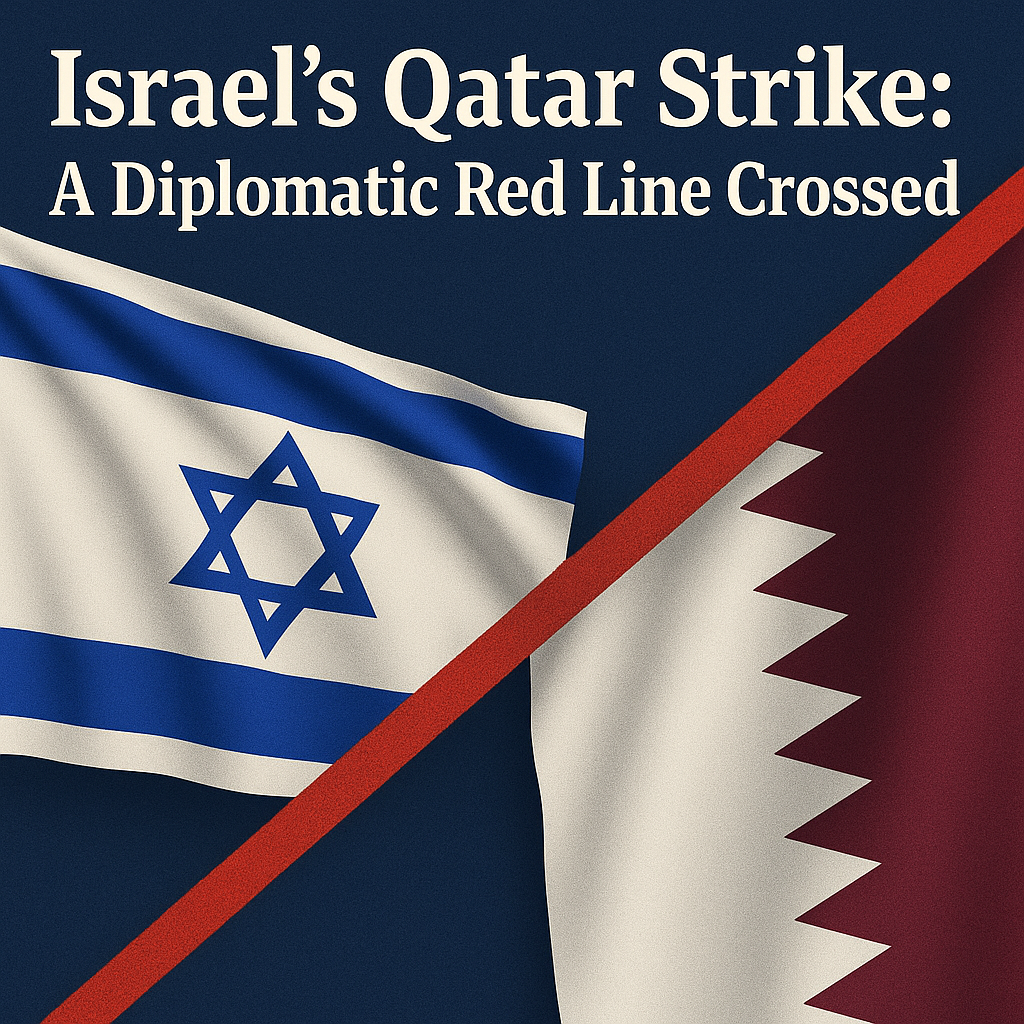
Israel’s Qatar Strike: A Diplomatic Red Line Crossed

Israel’s Qatar Strike: A Diplomatic Red Line Crossed
Israel’s recent military strike in Qatar has raised alarms on the international stage, as experts and diplomats alike grapple with the implications of this unprecedented action. The event signifies not only a tactical maneuver but also a breach of diplomatic norms that could lead to unforeseen consequences in the Middle East.

Context and Background
To understand the gravity of Israel’s strike, it is essential to consider the geopolitical landscape of the region. Qatar has historically positioned itself as a mediator in Middle Eastern conflicts and has maintained a complex relationship with various factions, including Hamas and the Taliban. This role has earned Qatar both allies and adversaries, making it a focal point in diplomatic discussions.


Diverse Perspectives on the Strike
Analyzing this event through various lenses reveals a multifaceted debate about the motivations and repercussions of Israel’s actions.


Diplomatic Fallout
According to Sky News, the strike has been described as crossing “a huge diplomatic red line.” This sentiment is echoed by many experts who argue that such military actions threaten to alienate potential allies and disrupt ongoing negotiations in the region. Qatar’s Foreign Affairs Ministry condemned the attack, characterizing it as an “aggression” that undermines peace efforts and could escalate tensions further.
In contrast, Al Jazeera reports that Israeli officials assert this was a necessary action against a perceived threat emanating from Qatari territory. They argue that intelligence indicated imminent dangers, justifying the military strike as a preemptive approach. This rationale raises questions about accountability and the broader implications of unilateral military actions.
Regional and Global Reactions
The strike has garnered varied responses not only from neighboring countries but also from global powers. Iran, a staunch ally of both Hamas and Qatar, labeled the attack as a “flagrant violation of sovereignty,” warning that such actions could ignite wider hostilities. In stark contrast, the United States has remained mostly silent, reflecting its cautious stance amid ongoing tensions in the region.
However, it’s essential to note that public opinion within Qatar appears mixed. While some support the government’s diplomatic efforts, others express concern that the country could become embroiled in conflicts that it has historically sought to mediate.
The Complexity of International Relations
Israel’s decision to target Qatar complicates an already intricate diplomatic landscape. Historically, Qatar has been a pivotal channel for Hamas, often acting as an intermediary in ceasefire negotiations between the militant group and Israel. Experts warn that this disruption could hinder peace efforts, leaving mediation efforts in jeopardy just as they were gaining some momentum.
The consequences could ripple through the region. The RT News channel highlights concerns from neighboring Gulf states, who may feel pressured to take sides in the growing schism between Israel and Qatar. As alliances shift, smaller nations, already balancing their own national interests, could find themselves facing complex dilemmas.
Weighing the Consequences
The ramifications of Israel’s strike on Qatar are multifaceted and uncertain. While it may initially appear as a tactical victory for Israel against a regional adversary, the potential long-term impacts on diplomatic relations cannot be ignored.
A Precarious Balance
Many analysts suggest that Israel’s actions may endanger long-term stability in the region. Mistrust could escalate, undermining decades of diplomatic efforts aimed at fostering peace. Furthermore, the strike challenges the norms of international law, which could inspire increased militancy in the region.
On the other hand, there are supporters of Israel’s actions who argue that their intelligence-gathering and military capabilities are critical for national security. In Israel’s view, failing to act could lead to grave consequences for its citizens.
The Road Ahead
As global powers observe closely, the situation remains fluid, and diplomatic strategies will likely evolve in response to this incident.
A Call for Dialogue
Calls for dialogue are essential as the international community grapples with this escalation. Open communication and renewed efforts toward understanding could help deescalate tensions and pave the way for continued mediation.
While the complexities surrounding Israel’s strike on Qatar are profound, the importance of maintaining open channels for dialogue cannot be understated. A delicate balance exists between security and diplomacy, and crossing red lines may set a precedent that hinders future negotiations.
In conclusion, the emotional specter surrounding this incident reveals not only the challenges inherent in Middle Eastern geopolitics but also the broader implications of military action on diplomatic relations globally. As the dust settles, stakeholders from all sides must navigate this intricate web with caution, wisdom, and a commitment to peace.















