Israel Strikes Lebanon as US Prepares Iran Deal Signing

Israel Strikes Lebanon as US Prepares Iran Deal Signing
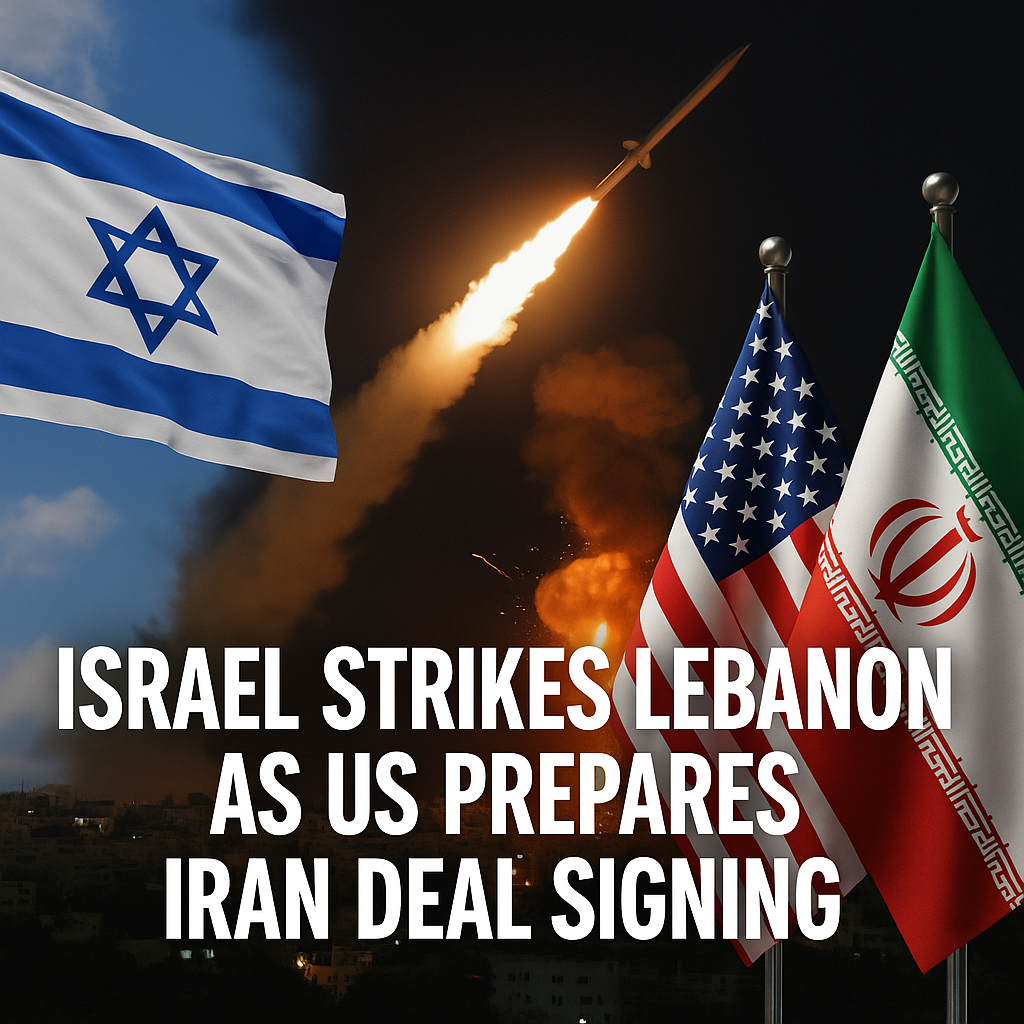
In a significant turn of events, Israel has conducted airstrikes in Lebanon amid heightened tensions surrounding a potential agreement between the United States and Iran. The developments mark a precarious moment in Middle Eastern geopolitics, as various actors navigate complex relationships, longstanding grievances, and the implications of international diplomacy.

The Context of Recent Strikes
The Israeli airstrikes have been reported as a direct response to perceived threats originating from Hezbollah, the militant group that has maintained a longstanding adversarial relationship with Israel. According to sources, the strikes aimed to neutralize assets believed to be involved in the transportation and storage of weaponry.


Analysts note that this military action comes against the backdrop of impending negotiations involving the U.S. and Iran. Aiming for diplomatic resolution, Washington is looking to sign a deal that could potentially ease sanctions on Iran in exchange for restrictions on its nuclear program. However, the airstrikes challenge the notion of stability in the region, placing Israel and its strategic interests at the forefront of ongoing diplomatic shifts.


Diverse Perspectives on Military Engagement
The decision to strike Lebanon has drawn mixed reactions from various international observers. Some argue that the strikes are necessary to safeguard Israeli territory and deter Hezbollah’s aggressive posturing. Supporters of this viewpoint contend that a strong military response is essential for Israel to maintain national security and deter further provocations.
Conversely, critics argue that such military actions may further escalate tensions in the region, complicating efforts for a diplomatic resolution. Leaders from various nations have raised concerns that Israel’s strikes could undermine the ongoing conversations about the Iran nuclear deal. Specifically, skepticism exists about whether military actions will inadvertently strengthen hardline elements within Iran that oppose diplomatic engagements with the West.
The division in sentiment is evident. For example, an analyst from Al Jazeera highlighted the risk of potential retaliatory measures from Hezbollah, while outlets like RT focused on the perspective that Israel is merely exercising its right to self-defense. This dichotomy underscores the complexity of the situation, where military actions can be viewed through vastly different lenses depending on geopolitical positioning.
The Broader Implications of Diplomacy
As the U.S. prepares to sign a deal with Iran, the stakes could not be higher. The agreement aims not only to address Iran’s nuclear capabilities but also to re-establish a framework for U.S.-Iran relations that has been fraught with tension since the U.S. withdrawal from the original nuclear agreement in 2018. The upcoming signing symbolizes a potential thawing in relations, yet it also invites an array of uncertainties.
– Potential Risks: Should military confrontations like those seen recently detract from diplomatic efforts, regional peace may remain elusive. The unpredictability of Hezbollah’s response further complicates the calculus for the U.S. and its allies.
– Strategic Interests: With the U.S. vested in regional stability, any escalation could prompt a reassessment of foreign policy strategies. The ongoing negotiations may become collateral damage in the ongoing cycle of violence, raising questions about the future of the Iran deal.
In the wider landscape, countries like Saudi Arabia and other Gulf states are closely monitoring these developments. Their own interests often conflict with both Iranian ambitions and Israeli security actions, leading to a complex web of alliances and rivalries that could influence the overall security architecture of the Middle East.
The Road Ahead
As Israel’s military actions against Lebanon coincide with U.S. diplomatic ambitions regarding Iran, the need for careful navigation is clear. The complexity of regional politics should not be underestimated, as the interplay of military action and diplomacy could either pave the way for meaningful change or fuel ongoing conflicts.
Ultimately, the evolving dynamics demand careful evaluation from both policymakers and analysts. Considering the diverse perspectives on the implications of the Israel strikes and the U.S.-Iran negotiations, one thing is certain: the situation remains fluid, marked by uncertainty and the potential for unforeseen consequences. The global community watches closely, as outcomes may redefine the regional political landscape for years to come.